New York no longer requires you to have a specific diagnosis from a fixed list to qualify for medical cannabis. Any patient with a condition a registered healthcare provider considers debilitating may qualify, which means more people are eligible than most competing resources suggest.
This article explains what practitioner discretion means in practice, which conditions commonly get certified, who can certify you, and what else determines eligibility beyond your diagnosis.
New York No Longer Has a Fixed Conditions List
The most important thing to understand about New York’s medical cannabis program is that the Office of Cannabis Management eliminated the state’s fixed qualifying conditions list under the 2021 Marihuana Regulation and Taxation Act (MRTA). Under the previous framework, patients had to match a named diagnosis to gain access. That requirement no longer exists.
A few things worth understanding about how this actually works now:
- Any patient with a condition that a registered healthcare provider considers debilitating may qualify for certification
- The determination rests entirely with the provider
- If your provider believes cannabis could benefit your health and documents that assessment, you can receive a certification
New York also no longer issues a state-issued medical marijuana card through the OCM:
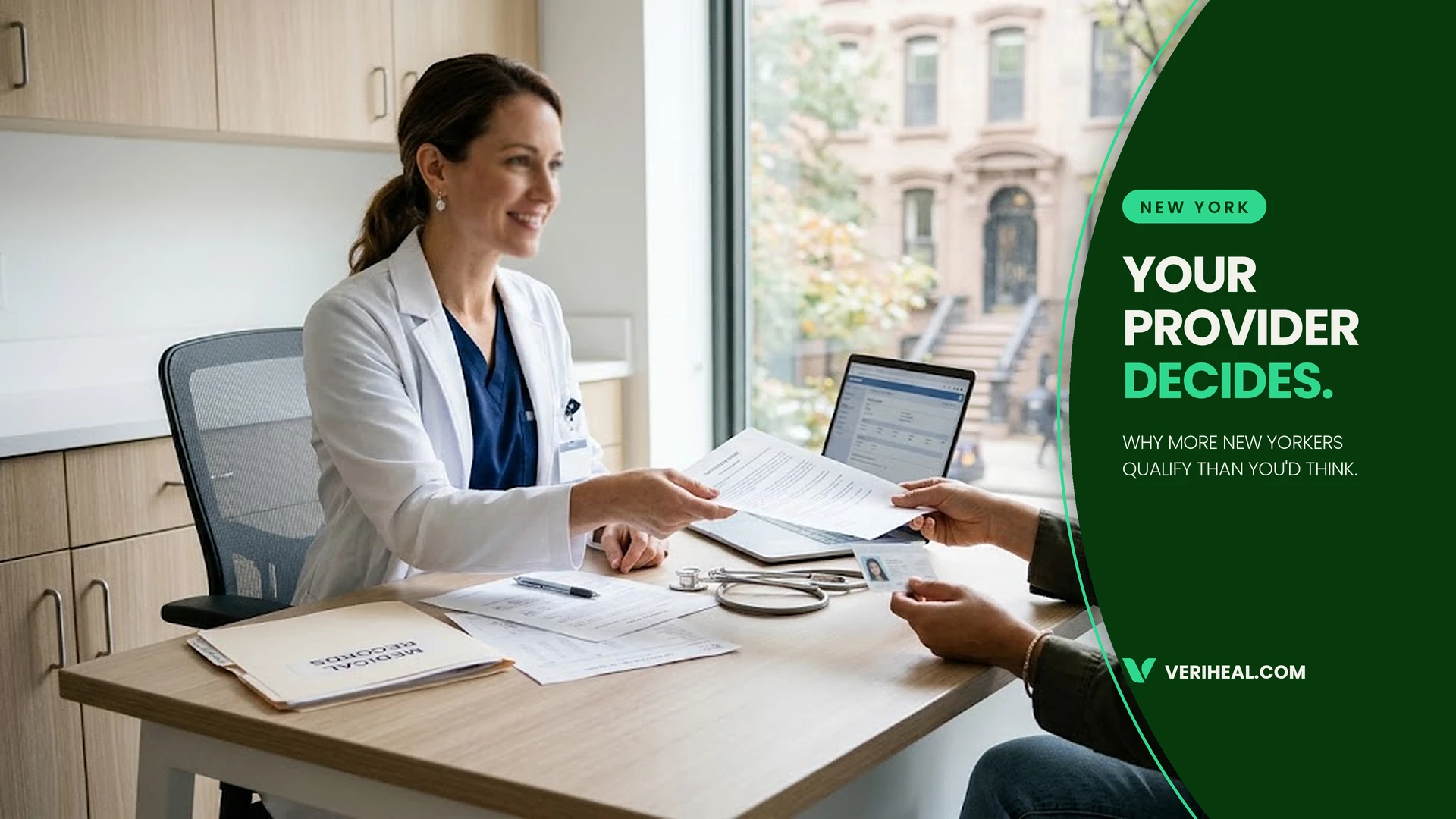
- Patients receive a certification document directly from their provider instead
- That certification, combined with a valid government-issued photo ID, is what you present at a licensed dispensary to purchase medical cannabis
- There’s no card to apply for and no registry card to wait on
This distinction matters because many online resources still describe New York’s program as though a fixed list governs access. Patients who don’t see their condition named on one of those outdated lists may wrongly conclude they don’t qualify. Under current law, the question isn’t whether your condition appears on a list, it’s whether a registered provider considers it debilitating.
What Conditions Do Practitioners Commonly Certify?
Because no statutory list governs certification, the practical landscape of what gets certified reflects clinical patterns rather than regulatory categories. The following conditions have been commonly recommended for medical cannabis by practitioners in New York, based on established symptom burden and documented treatment gaps.
- Chronic pain. Chronic pain is among the most frequently certified conditions in states with practitioner-discretion models. Cannabis may help manage pain that has not responded fully to conventional therapies, which is why providers often consider it for patients with persistent musculoskeletal, neuropathic, or inflammatory pain.
- PTSD. Research on cannabis and post-traumatic stress disorder is genuinely mixed rather than clearly confirmatory. A 2014 study evaluating patients in the New Mexico Medical Cannabis Program, published in the Journal of Psychoactive Drugs, found symptom improvement in patients using cannabis for PTSD, but other studies have found the opposite, including research associating cannabis use with greater PTSD symptom severity and worse outcomes in some populations. Providers may certify patients whose PTSD symptoms include sleep disturbance, hyperarousal, or treatment-resistant anxiety, but the evidence base doesn’t yet support a simple “cannabis reduces PTSD symptoms” claim.
- Anxiety disorders. Anxiety is a qualifying condition in many state medical cannabis programs, and New York practitioners have discretion to certify patients for whom conventional treatment has been insufficient or poorly tolerated.
- Cancer. Patients undergoing cancer treatment may qualify for certification to manage chemotherapy-related nausea, pain, and appetite loss. Providers frequently consider cannabis as a supportive therapy alongside primary oncology treatment.
- HIV/AIDS. Cannabis has a documented history of clinical study in managing HIV/AIDS symptoms, including wasting syndrome, neuropathic pain, and nausea associated with the disease and its treatment regimens. Controlled trials have shown cannabis producing measurable reductions in HIV-related neuropathic pain compared to placebo.
- Parkinson’s disease. Some providers certify Parkinson’s patients for symptom management, particularly for tremor, sleep disorders, and pain, though the evidence base continues to develop.
- Multiple sclerosis (MS). Spasticity and neuropathic pain are two of the most commonly cited reasons providers consider cannabis for MS patients, though a review of the evidence notes that trial quality varies considerably and results shouldn’t be assumed to transfer across different cannabis formulations or THC:CBD ratios.
- ALS (amyotrophic lateral sclerosis). ALS patients often qualify given the severity of symptom burden and the limited effectiveness of existing treatments. The caregiver pathway discussed later in this article is particularly relevant for ALS patients.
- Inflammatory bowel disease (IBD). Crohn’s disease and ulcerative colitis fall under this category. Cannabis may support symptom management for patients experiencing chronic abdominal pain, cramping, and treatment-resistant flares.
This list reflects common clinical patterns, not a definitive legal standard. A provider may certify conditions not named here if they consider them debilitating for a specific patient.
Who Can Certify You? Understanding Authorized Practitioners in New York
Understanding which provider types can certify you matters as much as knowing whether your condition qualifies. This is the part of the eligibility picture that competing resources consistently leave out, and it is often the practical barrier patients encounter first.
In New York, the following provider types are authorized to issue medical cannabis certifications within their scope of practice:
| Provider Type |
Authorized to Certify? |
| Medical Doctor (MD) |
Yes |
| Doctor of Osteopathic Medicine (DO) |
Yes |
| Nurse Practitioner (NP) |
Yes, within scope of practice |
| Physician Assistant (PA) |
Yes, within scope of practice |
| Midwife |
Yes, within scope of practice |
The scope-of-practice qualification is worth understanding. Nurse practitioners and physician assistants can certify patients for conditions they are otherwise authorized to treat, and those wondering whether nurses can have medical marijuana cards will find that their professional standing intersects with both their certification authority and their own eligibility as patients. The governing authority is New York Education Law and OCM regulations, which align certification authority with existing scope-of-practice boundaries.
The other gatekeeping requirement is OCM registration. A provider cannot legally issue certifications unless they are registered with the Office of Cannabis Management. This registration requirement applies to all provider types. Before your appointment, it is worth confirming that your provider holds OCM certification authority, or choosing a platform that connects you with pre-verified OCM-registered providers.
This is where telehealth becomes practically significant. If your primary care provider is unwilling to certify, or if you do not have a regular primary care physician, you can access an OCM-registered provider through a telemedicine for medical cannabis platform without a prior patient relationship. Veriheal connects patients in New York with OCM-registered practitioners for this purpose.
When you attend a certification appointment, bring documentation that supports your provider’s evaluation: medical records, a prior diagnosis from another provider, records of treatments you have tried and their outcomes, and any specialist notes relevant to your condition. A provider cannot certify based on self-reported symptoms alone. The stronger your documentation, the clearer the clinical picture your provider can work from.
What Else Determines Eligibility? Age, Residency, and Other Requirements
Your condition and your provider relationship are the core of eligibility, but they are not the complete picture. New York’s medical cannabis program has several additional requirements every applicant must meet.
- You must be a New York resident. A government-issued photo ID demonstrating New York residency is required.
- You must have a documented medical condition, not just self-reported symptoms. Your provider’s certification must be grounded in your medical history.
- Your certifying provider must be registered with the OCM. A certification from an unregistered provider is not valid.
- There is no minimum age requirement, but patients under 18 require a designated caregiver or representative to manage their cannabis access. Additional consent steps apply for minor patients.
One point that causes significant confusion: New York does not require patients to obtain a state registry card through the OCM. Once your provider issues a certification, that document is sufficient. You present your certification and a valid government-issued photo ID at a licensed dispensary to purchase medical cannabis. There is no separate application to file with the state, and no card to wait for in the mail.
For patients who want to understand how medical marijuana card state-by-state updates compare across programs, New York’s certification-only model is among the most streamlined in the country.
What Can Disqualify You from Getting Certified?
Most of the reasons a patient does not receive certification are clinical or practical rather than statutory. Understanding them helps you approach the process realistically.
1. Not being a New York resident is a straightforward disqualifier. The program is available only to patients who can demonstrate New York residency, and a government-issued photo ID is required at every stage of the process.
2. Not having a documented medical condition is a more common practical barrier. A provider cannot certify based on a patient’s self-reported description of symptoms alone. If your medical history does not support the condition you are seeking certification for, your provider may decline to certify. Bringing thorough documentation to your appointment directly addresses this.
A provider may also exercise clinical judgment and determine that medical cannabis is not appropriate for your situation, even if you meet the residency and documentation requirements. Certification is a medical decision, and a registered provider is not obligated to certify every patient who presents. If one provider declines, another registered provider may reach a different conclusion.
3. One practical consideration that falls outside formal eligibility rules: as of April 28, 2026, state-licensed medical marijuana was reclassified from Schedule I to Schedule III under federal law, though recreational cannabis use remains Schedule I. That reclassification hasn’t changed federal employment policy: federal employees or individuals subject to federal drug testing may still face employment consequences even with a valid New York certification.
It is worth reviewing your employment obligations before pursuing certification. You may also want to read about medical cannabis and background checks and how state certification interacts with federal records.
The Designated Caregiver Pathway
New York’s medical cannabis framework includes a designated caregiver pathway for patients who cannot independently access a dispensary. This pathway allows a patient to authorize another individual to obtain medical cannabis on their behalf.
The designated caregiver pathway exists primarily for patients with conditions that severely limit mobility or independent function: ALS patients, late-stage cancer patients, and individuals with severe physical disabilities are the most common examples. The caregiver registers with the OCM and is then authorized to visit a licensed dispensary and purchase medical cannabis for the patient they represent.
A caregiver’s access is tied to a specific patient. The caregiver does not have independent medical cannabis access and can only purchase on behalf of their registered patient. This is a meaningful distinction from states where caregiver status confers broader personal access rights.
If you are a patient considering the caregiver pathway, the OCM’s caregiver registration process governs how to establish that relationship formally. Patients interested in the benefits of a medical marijuana card relative to recreational access will find the caregiver pathway is one of the clearest practical advantages the medical program offers over the adult-use market.
What Does the Certification Process Actually Look Like?
Once you know you likely qualify, the certification process is relatively straightforward. Here is what a standard certification appointment involves:
- Schedule with an OCM-registered provider. This can be an in-person appointment with your existing provider or a telehealth appointment through a platform like Veriheal. For a guide to how to get your medical marijuana card online, the process mirrors what applies in New York.
- Attend your appointment with documentation. Bring medical records, prior diagnosis documentation, and notes on treatments you have tried. Your provider reviews your history and discusses your symptoms and treatment goals.
- Receive your certification. If your provider determines you qualify, they issue a certification document. This is not a card. It is a provider-issued document valid for one year.
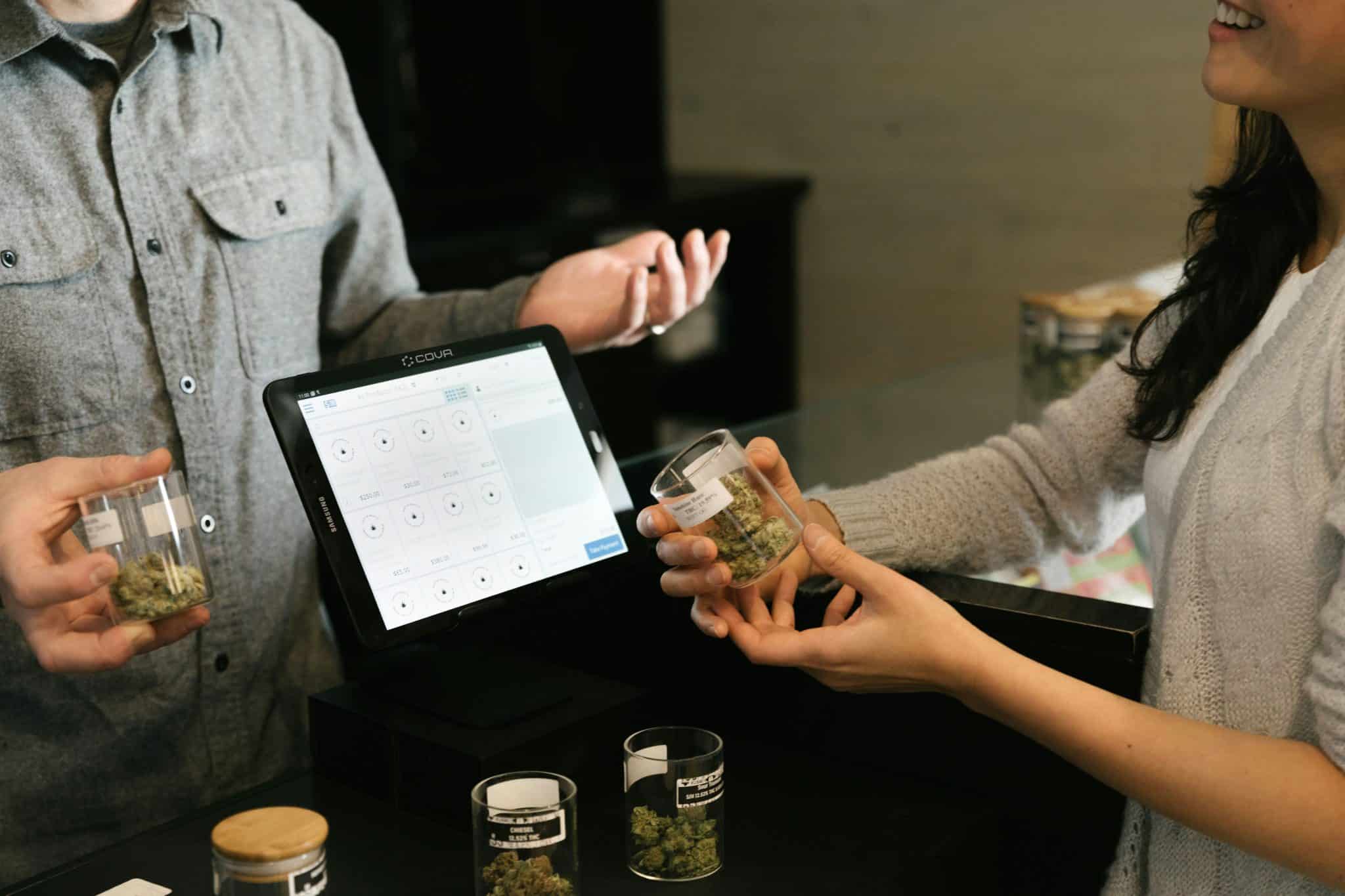
- Visit a licensed dispensary. Present your certification and a valid government-issued photo ID. You do not need a state registry card. You are authorized to purchase medical cannabis immediately.
Knowing how long it takes to get a medical card varies by how quickly you can schedule your appointment. With telehealth, many patients complete the process in a single day.
How Much Does Medical Marijuana Certification Cost in New York?
The cost of a provider certification appointment varies by provider and platform. There is no state fee for the certification itself, since New York no longer requires a state registry card.
What patients should know is that is medical marijuana covered by insurance is a question with a straightforward answer: it is not. Because cannabis remains unapproved as an FDA prescription drug, regardless of its April 2026 reclassification from Schedule I to Schedule III for state-licensed medical marijuana, insurance carriers are prohibited from reimbursing cannabis-related certification appointments. Patients pay out of pocket. Veriheal’s current certification fees for New York are listed on the New York landing page.
One financial consideration worth factoring in: medical cannabis sales in New York are taxed at approximately 3.15%, compared to a combined 13% excise tax (9% state plus 4% local) for adult-use recreational purchases. Over time, the lower tax rate on medical purchases can offset the upfront cost of certification, particularly for patients who purchase cannabis regularly.
If you think you may qualify, check your condition and get connected with an OCM-registered provider today.
Note: The content on this page is for informational purposes only and is not intended to be professional medical advice. Do not attempt to self-diagnose or prescribe treatment based on the information provided. Always consult a physician before making any decision on the treatment of a medical condition.
Note: Veriheal does not support illegally consuming therapeutic substances such as cannabis but acknowledges that it transpires because of the current illicit status, which we strive to change by advocating for research, legal access, and responsible consumption. Always consult a physician before attempting alternative therapies.
Frequently Asked Questions
What are the requirements to get a medical marijuana card in New York?
New York requires patients to be state residents with a documented medical condition and to be certified by a healthcare provider registered with the Office of Cannabis Management. No state registry card is issued. Patients receive a provider certification and present it alongside a valid government-issued photo ID at a licensed dispensary.
What disqualifies you from getting a med card?
The most common reasons for not receiving certification are not being a New York resident, lacking documented medical history to support the condition, or a provider’s clinical judgment that cannabis is not appropriate for your situation. Federal employees or those subject to federal drug testing may also face employment consequences that make certification a practical concern even when they are medically eligible.
How much does a medical marijuana card cost in NY?
New York does not issue a state registry card, so there is no state fee. Patients pay for a provider certification appointment, the cost of which varies by provider and telehealth platform. Insurance does not cover certification costs because cannabis remains unapproved as an FDA prescription drug, this hasn’t changed even after state-licensed medical marijuana was reclassified from Schedule I to Schedule III in April 2026.
Author, Share & Comments