Cannabis displays a remarkable range of colors that goes far beyond the classic green most people associate with the plant. You might encounter purple buds with deep violet hues, blue-tinged flowers that shimmer under light, or even red and orange varieties that look almost exotic. These colors aren’t just for show.
What you see in cannabis comes from a combination of natural pigments, environmental factors, and cultivation techniques. Some strains naturally express vibrant colors due to their genetic makeup, while others develop these hues only under specific growing conditions like temperature changes or nutrient adjustments.
The Complete Spectrum: All Cannabis Colors Explained
Cannabis appears in nearly every color imaginable, though green remains the most common base tone. The classic green shades range from deep forest and olive tones to bright lime and even neon green varieties. These green pigments come from chlorophyll, the same compound that gives most plants their characteristic color.
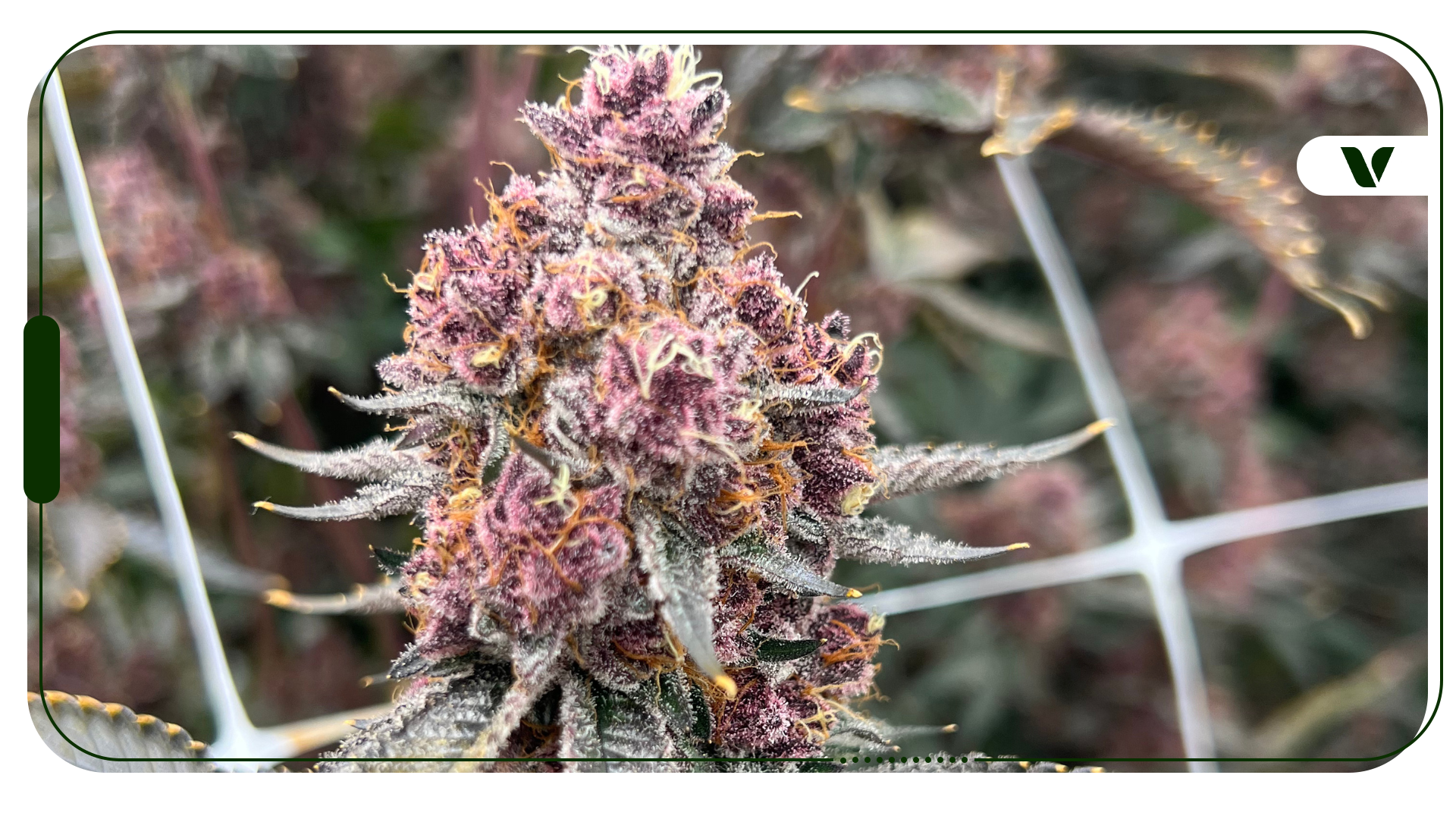
Purple stands out as the most popular alternative color, appearing in strains like Purple Haze and Granddaddy Purple. These deep violet and lavender hues create some of the most visually striking cannabis you’ll find. Blue varieties offer a different appeal entirely, with strains showing everything from subtle blue-gray tints to vibrant cobalt highlights that catch the light beautifully.
Red and pink cannabis creates some of the most unusual visual effects in the spectrum. These warm tones can appear as subtle blushes across the leaves or bold crimson streaks through the buds themselves. Orange cannabis typically shows up in the pistils – those hair-like structures that emerge from the flowers – though some strains develop orange-tinted leaves and calyxes as well.
| Color |
Common Varieties |
Typical Appearance |
| Green |
Most strains |
Forest, olive, lime, neon green |
| Purple |
Purple Haze, GDP |
Deep violet, lavender, plum |
| Blue |
Blue Dream variants |
Blue-gray, cobalt highlights |
| Red/Pink |
Pink strains |
Crimson streaks, rose blushes |
| Orange |
Citrus varieties |
Bright pistils, orange-tinted buds |
| Black |
Black varieties |
Deep purple-black, charcoal tints |
| White |
Albino strains |
Cream, ivory, pale yellow-white |
Black cannabis represents some of the most dramatic coloration possible, appearing almost charcoal or deep purple-black under certain light conditions. White or albino cannabis creates the opposite effect, with pale cream, ivory, or yellow-white coloring that looks almost ghostly compared to typical green varieties.
The Science Behind Cannabis Colors: Genetics, Environment & Chemistry
Cannabis colors result from three main factors working together: genetic programming, environmental conditions, and specific chemical compounds called pigments. Understanding how these elements interact helps explain why the same strain might look completely different when grown under various conditions.
Genetics provide the foundation for color expression, determining which pigments a plant can potentially produce. Think of genetics as the plant’s color palette – some strains carry genes for purple pigments while others are limited to green and yellow tones. Cannabis plant anatomy plays a crucial role in how these genetic traits manifest throughout the plant structure.
Environmental factors act as triggers that activate or suppress genetic color potential. Temperature stands out as the most powerful environmental influence, with cooler conditions typically encouraging purple and blue pigment development. Light spectrum, humidity levels, and soil pH can also dramatically affect which colors a plant expresses during its growth cycle.
Anthocyanins and Flavonoids
Anthocyanins represent the primary pigments responsible for purple, blue, and red cannabis colors. These water-soluble compounds belong to the flavonoid family and serve multiple functions beyond just creating beautiful colors. Research on anthocyanin antioxidant properties suggests these compounds may also provide protective benefits against environmental stress.
The same anthocyanins that create purple grapes, blue berries, and red autumn leaves also produce the striking colors in cannabis. When cannabis plants experience certain stress conditions – particularly temperature drops – they ramp up anthocyanin production as a protective response. This process explains why many purple strains only develop their signature colors during the final weeks of flowering when nighttime temperatures naturally drop.
Flavonoids encompass a broader category of compounds that includes anthocyanins along with other pigments like carotenoids. These compounds work together to create the full spectrum of cannabis colors you see, often combining in complex ways that produce unique hues specific to individual strains.
Temperature Effects on Color Expression
Temperature changes trigger the most dramatic color transformations in cannabis, with cool weather acting as the primary catalyst for anthocyanin production. Most purple and blue strains require nighttime temperatures between 50-65°F during the final 2-3 weeks of flowering to express their full color potential.
The temperature effect works through a biological stress response – when cannabis plants sense approaching cold weather, they naturally increase anthocyanin production to protect their cellular structures. This same mechanism explains why many deciduous trees turn brilliant colors in autumn as temperatures drop and daylight hours decrease.
Hot temperatures typically suppress color development and can even break down existing pigments. Cannabis grown in consistently warm conditions rarely develops the intense purples and blues possible under cooler temperatures, regardless of genetic potential. This temperature sensitivity explains why outdoor growers in cooler climates often see more dramatic color changes than indoor growers maintaining steady temperatures.
| Temperature Range |
Color Expression Effect |
| Below 50°F |
Risk of plant damage, excessive stress |
| 50-65°F nights |
Optimal purple/blue development |
| 65-75°F |
Moderate color expression possible |
| Above 80°F |
Color suppression, pigment breakdown |
Soil pH and Nutrient Impact
Soil pH affects color expression by changing how plants absorb and process nutrients, which directly impacts pigment production. Slightly acidic conditions (pH 6.0-6.5) generally encourage better color development than neutral or alkaline soils, though the effect varies significantly between strains.
Nutrient availability also influences color intensity, with phosphorus levels playing a particularly important role in anthocyanin production. Some growers deliberately reduce phosphorus during late flowering to stress plants into producing more intense colors, though this technique requires careful balance to avoid damaging overall plant health.
The interaction between pH and nutrients creates a complex system where small changes can produce dramatic visual effects. Research on plant pH and pigment synthesis indicates that optimal color expression typically occurs when multiple environmental factors align rather than from manipulating any single variable.
Cannabis Color as Quality Indicators
Cannabis colors provide valuable information about quality, freshness, and overall plant health when you know how to read the signals correctly. Different colors indicate various aspects of the growing process, harvest timing, and storage conditions that directly affect your experience.
Vibrant colors in healthy-looking buds typically indicate proper cultivation and optimal harvest timing. Deep greens, rich purples, and bright orange pistils suggest the plant received appropriate nutrients and environmental conditions throughout its growth cycle. These visual cues often correlate with higher potency and better overall quality.
Dull or faded colors frequently signal problems with cultivation, harvest, or storage. Brown or tan coloration almost always indicates degradation, whether from improper drying, poor storage conditions, or simply age. Learning to distinguish between quality indicators and warning signs helps you make better purchasing decisions.
Quality indicators by color:
- Bright green: Indicates healthy chlorophyll levels and proper nutrient balance during growth
- Rich purple/blue: Shows natural anthocyanin production and proper temperature management
- Vibrant orange pistils: Suggests optimal harvest timing and proper plant maturation
- Frosty white trichomes: Indicates high cannabinoid and terpene content when properly preserved
Warning signs to avoid:
- Brown or tan buds: Usually indicates over-drying, mold exposure, or degradation from age
- Yellow or pale leaves: May signal nutrient deficiencies or improper flushing during late flowering
- Dark, almost black coloring: Often results from mold, over-fertilization, or severe stress conditions
- Dull, lifeless appearance: Typically indicates poor storage conditions or extended age
Cannabis trichomes play an equally important role in quality assessment, with clear to milky white trichomes indicating peak potency and amber trichomes suggesting a more mature, potentially sedating product.
The freshness factor significantly impacts color quality over time. Fresh cannabis maintains vibrant colors and distinct visual characteristics, while aged cannabis gradually fades and loses color intensity. Proper storage techniques can preserve colors longer, but even well-stored cannabis eventually shows signs of age through color changes. Understanding how to store cannabis properly helps maintain both color vibrancy and overall quality over extended periods.
Natural vs. Induced Colors: How Growers Create Colorful Cannabis
Cannabis colors fall into two distinct categories: natural genetic expression and artificially induced coloration through cultivation techniques. Understanding this difference helps you evaluate quality and authenticity when selecting colorful strains, since natural colors typically indicate better overall plant health.
Natural colors emerge from genetic programming without external manipulation, appearing consistently across multiple harvests when grown under similar conditions. These strains carry specific genes that produce pigments as part of their normal development cycle. Purple Haze, for example, naturally develops its signature purple hues regardless of growing technique, though environmental factors can enhance or diminish the intensity.
Artificially induced colors result from deliberate cultivation techniques designed to trigger color changes in strains that might not naturally express them. While these methods can produce stunning visual effects, they often involve stressing the plant in ways that may impact potency, yield, or overall quality. The key difference lies in whether the color appears as part of healthy development or as a stress response.
Cultivation Techniques for Color Enhancement
- Cold shocking involves deliberately exposing plants to temperatures 10-15 degrees below their normal range during the final weeks of flowering. This technique can trigger anthocyanin production in strains with genetic potential for purple colors, though it risks shocking the plant and reducing overall quality.
- Light manipulation uses specific LED color spectrums or adjusted light schedules to influence pigment development. Some growers report enhanced color expression using increased red and far-red light during flowering, though research on light spectrum effects on cannabis shows mixed results across different strains.
- Nutrient flushing involves reducing or eliminating certain nutrients (particularly nitrogen and phosphorus) during late flowering to stress plants into producing more intense colors. This technique requires precise timing and monitoring to avoid damaging the harvest.
- pH adjustment can be used to alter nutrient uptake and potentially enhance color expression, though dramatic pH swings risk nutrient lockout and plant damage.
Identifying Artificially Enhanced vs. Genetic Colors
Natural genetic colors typically appear evenly distributed across the plant and develop gradually over time as part of normal maturation. These colors often start subtle and intensify as the plant matures, creating smooth color transitions that look organic and healthy.
Artificially induced colors often appear more dramatically and unevenly, sometimes showing stark contrasts between colored and green areas. Plants subjected to cold shocking might display intense purple in some areas while remaining completely green in others, creating a patchwork appearance that suggests external manipulation.
| Natural Colors |
Induced Colors |
| Even distribution across plant |
Uneven, patchy appearance |
| Gradual development over time |
Sudden dramatic changes |
| Healthy leaf structure maintained |
Signs of stress (curling, browning) |
| Consistent across multiple harvests |
Variable results between grows |
| Colors appear in stems and branches |
Colors limited to leaves and buds |
The quality question around induced colors remains debated among growers and consumers. Some argue that any stress-induced coloration necessarily reduces potency and overall plant health, while others maintain that carefully applied techniques can enhance visual appeal without significantly impacting quality. Our guide on why cannabis turns purple provides additional insight into the mechanisms behind both natural and induced purple coloration.
Popular Colorful Cannabis Strains and Their Profiles
Colorful cannabis strains have gained popularity not just for their visual appeal but also for their unique genetics and diverse effects profiles. These varieties showcase the full spectrum of cannabis colors while offering distinct experiences that often match their striking appearance.
Purple strains dominate the colorful cannabis market, with genetics that consistently produce deep violet and lavender hues. These varieties typically carry specific genetic markers that promote anthocyanin production, creating reliable color expression across different growing conditions.
Purple Haze
This legendary sativa-dominant strain combines Purple Thai and Haze genetics to create one of the most recognizable purple varieties in cannabis history. Purple Haze typically develops deep violet hues throughout the buds and leaves, with the intensity varying based on temperature conditions during flowering.
The strain produces a clear, energetic high characteristic of quality sativa genetics, despite many people’s assumption that purple cannabis delivers sedating effects. Growing conditions that enhance purple color include nighttime temperatures between 50-60°F during the final three weeks of flowering.
Granddaddy Purple (GDP)
GDP represents the gold standard for purple indica varieties, consistently producing deep purple and violet coloration regardless of growing technique. This strain crosses Purple Urkle with Big Bud, resulting in large, dense flowers covered in rich purple hues and orange pistils.
The genetics strongly favor purple pigment production, making GDP one of the most reliable purple strains for both commercial and home cultivation. The strain typically requires minimal environmental manipulation to express its full color potential, with natural purple development occurring in most growing conditions.
Blue Dream
Blue Dream showcases subtle blue-gray coloring that appears more prominently under certain light conditions. This popular hybrid combines Blueberry indica genetics with Haze sativa traits, creating a strain known for both visual appeal and balanced effects.
The blue coloring in Blue Dream typically appears as a subtle tint rather than dramatic blue hues, requiring careful observation to appreciate fully. Growing conditions that enhance blue expression include consistent cool temperatures and specific light spectrums during the final flowering stages.
Pink Kush
Pink Kush displays unique rose and pink tones that set it apart from typical purple varieties. This indica-dominant strain produces soft pink hues mixed with traditional green coloring, creating an almost pastel appearance that photography often struggles to capture accurately.
The pink coloration develops most prominently in the pistils and smaller sugar leaves, with optimal expression occurring under moderate temperature swings between day and night cycles. Pink Kush genetics appear stable for color production across multiple harvests and growing environments.
Black Cherry Soda
Black Cherry Soda pushes purple genetics to their extreme, producing deep purple-black coloration that appears almost charcoal under certain lighting conditions. This strain combines multiple purple genetic lines to create some of the darkest natural cannabis colors possible.
The extreme coloration requires specific environmental conditions including consistent cool temperatures and carefully managed nutrients during flowering. Black Cherry Soda demonstrates how multiple purple genetic factors can combine to produce colors that approach the very limits of natural cannabis pigmentation.
Orange Varieties
Orange-colored cannabis typically expresses its coloration through vibrant pistils rather than overall bud coloration. Strains like Agent Orange and Orange Crush develop bright orange pistils that contrast beautifully with green or purple backgrounds, creating visually striking combinations.
These orange traits usually remain stable across different growing conditions, since pistil color generally depends less on environmental factors than leaf and bud pigmentation. The orange coloring often correlates with citrus terpene profiles that match the visual citrus theme.
If you’re interested in exploring medical cannabis options, you can find a qualified doctor who can help determine whether cannabis might be appropriate for your specific situation and guide you through the legal process in your state.
Note: The content on this page is for informational purposes only and is not intended to be professional medical advice. Do not attempt to self-diagnose or prescribe treatment based on the information provided. Always consult a physician before making any decision on the treatment of a medical condition.
Note: Veriheal does not support illegally consuming therapeutic substances such as cannabis but acknowledges that it transpires because of the current illicit status, which we strive to change by advocating for research, legal access, and responsible consumption. Always consult a physician before attempting alternative therapies.
Frequently Asked Questions
What do different colors of weed mean?
Different cannabis colors indicate various genetic traits, growing conditions, and plant health factors rather than directly predicting effects or potency. Purple and blue colors typically result from anthocyanin pigments triggered by cool temperatures, while green shades reflect chlorophyll content and overall plant health.
What is the rarest weed color?
True albino or white cannabis represents the rarest coloration, occurring when plants lack chlorophyll production due to genetic mutations. These varieties appear pale yellow-white or cream-colored and are extremely difficult to cultivate successfully since they cannot photosynthesize effectively.
What does it mean if cannabis is purple?
Purple cannabis indicates anthocyanin pigment production, usually triggered by cool temperatures during late flowering or genetic predisposition in certain strains. Purple coloring doesn’t necessarily indicate higher potency or specific effects – it’s primarily a visual trait influenced by genetics and growing conditions.
Author, Share & Comments