Florida’s medical marijuana dispensaries operate under a licensing model found in very few other states, and understanding how that model works makes every step of your patient experience clearer. Every dispensary you visit in Florida is a Medical Marijuana Treatment Center, or MMTC, and that designation carries specific legal obligations that shape what you can buy, where you can buy it, and how your purchases are tracked.
If you’re new to Florida’s medical cannabis program, the terminology can feel unfamiliar quickly. This guide explains the MMTC model from the ground up, covers what to bring on your first dispensary visit, breaks down how purchase limits work in practice, and answers the questions new cardholders ask most often.
What Is an MMTC and Why Does Florida Use This Model?
Florida Medical Marijuana Treatment Centers are licensed by the Office of Medical Marijuana Use (OMMU) under Florida Statute §381.986. A few things distinguish Florida’s model from most other states:
- MMTCs are legally required to cultivate, process, and dispense their own cannabis under one license, a vertical integration requirement
- That’s why Florida’s dispensary landscape looks so different from states like Colorado or California, where small, independent retailers can source from separate growers and processors
- Because the law ties cultivation, processing, and retail to a single license, only large multi-site operators can meet the capital and operational requirements to enter the market
- Independent, locally-owned dispensaries aren’t permitted under the current statute
- The result is a market dominated by a relatively small number of operators running dozens or hundreds of dispensary locations each across the state
Amendment 2, which Florida voters passed in 2016, expanded the medical cannabis program significantly and set the stage for the MMTC licensing framework as it exists today. The Florida Department of Health, through the OMMU, oversees licensing, compliance, and the statewide patient registry that tracks every certified patient and every purchase. Patients interact with the OMMU system from the moment they apply for their medical marijuana card through every visit they make to a dispensary.
Major operators in the Florida market include Trulieve, Curaleaf, Müv, Surterra Wellness, Ayr Cannabis, Fluent, and Cookies Florida. Each of these companies operates as a fully licensed MMTC, meaning every product on their dispensary menu was cultivated and processed within that company’s own supply chain.
How Many MMTCs Operate in Florida?
Florida has more than 750 licensed MMTC dispensary locations statewide as of 2026, making it one of the largest medical cannabis markets in the United States by physical footprint. The OMMU maintains a current list of licensed dispensary locations on its website, and that list is updated as new locations receive approval.
Coverage is strongest in major metro areas including Miami, Tampa, Orlando, and Jacksonville, though rural counties in central and northern Florida have seen expanded access as the market has matured. If you’re unsure which dispensary locations are closest to you, the OMMU registry is the most reliable starting point.
What You Need to Visit a Florida Dispensary for the First Time
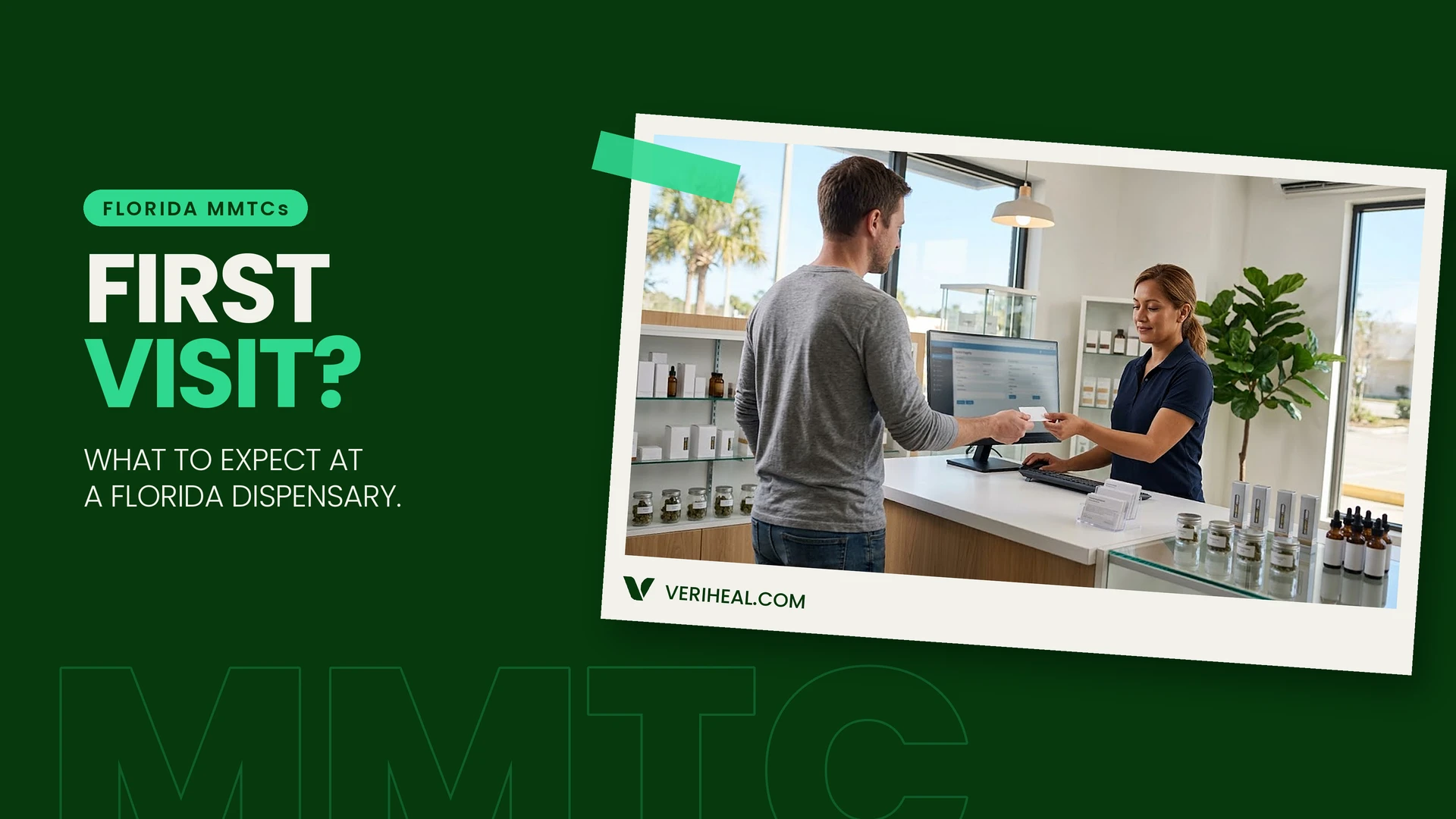
Walking into a Florida MMTC for the first time requires a little preparation that goes beyond what most people expect from a retail experience. Because every transaction is logged against your physician-set milligram limits in real time through the Medical Marijuana Use Registry (MMUR), dispensary staff must verify your identity and active certification before any purchase can be processed. Showing up without the right documents means leaving without any cannabis products.
Here is what you need to bring:
- Valid Florida MMUR identification card or registry confirmation. Your MMUR ID card is issued after your patient registration is approved. If your physical card has not arrived yet, a printed or digital registry confirmation showing your active status is generally accepted, but confirm this with the specific dispensary ahead of your visit.
- Government-issued photo ID. A Florida driver’s license, state ID, or passport confirms your identity against your registry record. This is required at every visit, not just your first.
- Active physician certification on file. Your certifying physician must have entered your qualified physician recommendation into the OMMU registry before any dispensary can process your order. You cannot purchase cannabis products without this step completed.
It is also worth knowing that purchases are logged against your limits the moment a transaction is completed, not at the end of the day. Understanding the benefits of a medical marijuana card before your first visit can help you make the most of your certification appointment and ensure your physician sets limits appropriate for your qualifying medical conditions.
What If a Caregiver Is Picking Up for a Patient?
Florida law allows designated caregivers to purchase cannabis products on behalf of a registered patient. The caregiver designation must be established through the OMMU registry before the caregiver can make any purchase. A designated caregiver must present their own MMUR caregiver ID card and a government-issued photo ID at the dispensary.
Purchases made by a caregiver count against the patient’s milligram limits exactly as if the patient had made them directly, so the same real-time tracking applies.
How Florida Dispensary Purchase Limits Work
Florida caps patient purchases differently depending on how the product is consumed, not by item count or dollar amount. Smokable flower runs on its own separate cycle: up to 2.5 ounces every 35 days.
Every other product type, vapes and concentrates, edibles, oral capsules and tinctures, topicals, suppositories, and low-THC cannabis products, draws from a single shared 70-day pool capped at 24,500 mg of THC total across all of them combined. That distinction matters because buying heavily in one non-smokable category (say, vape cartridges) reduces what’s available to you in every other non-smokable category for the rest of that 70-day window.
The MMUR tracks every purchase in real time, which means a transaction at one MMTC immediately reduces your available balance at every other MMTC in the state.
| Product Type |
Supply Period |
Unit Limit |
Tracking Basis |
| Smokable flower |
35 days |
2.5 ounces |
Weight |
| Vapes and concentrates (inhalation) |
70 days |
Shared aggregate cap of 24,500 mg THC across all non-smokable routes |
THC milligrams |
| Oral capsules and tinctures |
70 days |
Same shared 24,500 mg aggregate |
THC milligrams |
| Edibles |
70 days |
Same shared 24,500 mg aggregate |
THC milligrams |
| Topicals and suppositories |
70 days |
Same shared 24,500 mg aggregate |
THC milligrams |
| Low-THC cannabis products |
70 days |
Same shared 24,500 mg aggregate |
THC milligrams |
This cross-MMTC tracking is something many new patients don’t expect. If you purchase a vape cartridge at a Trulieve location in Orlando and then drive to a Curaleaf in Tampa, the Tampa dispensary can see exactly how much of your remaining 70-day non-smokable balance is available before they process anything.
Understanding how long it takes to get a medical card is relevant here because the physician certification appointment is where your milligram limits are set. Coming to that appointment with specific questions about your preferred consumption method can directly affect what you have access to at the dispensary.
What Products Are Available at Florida MMTCs
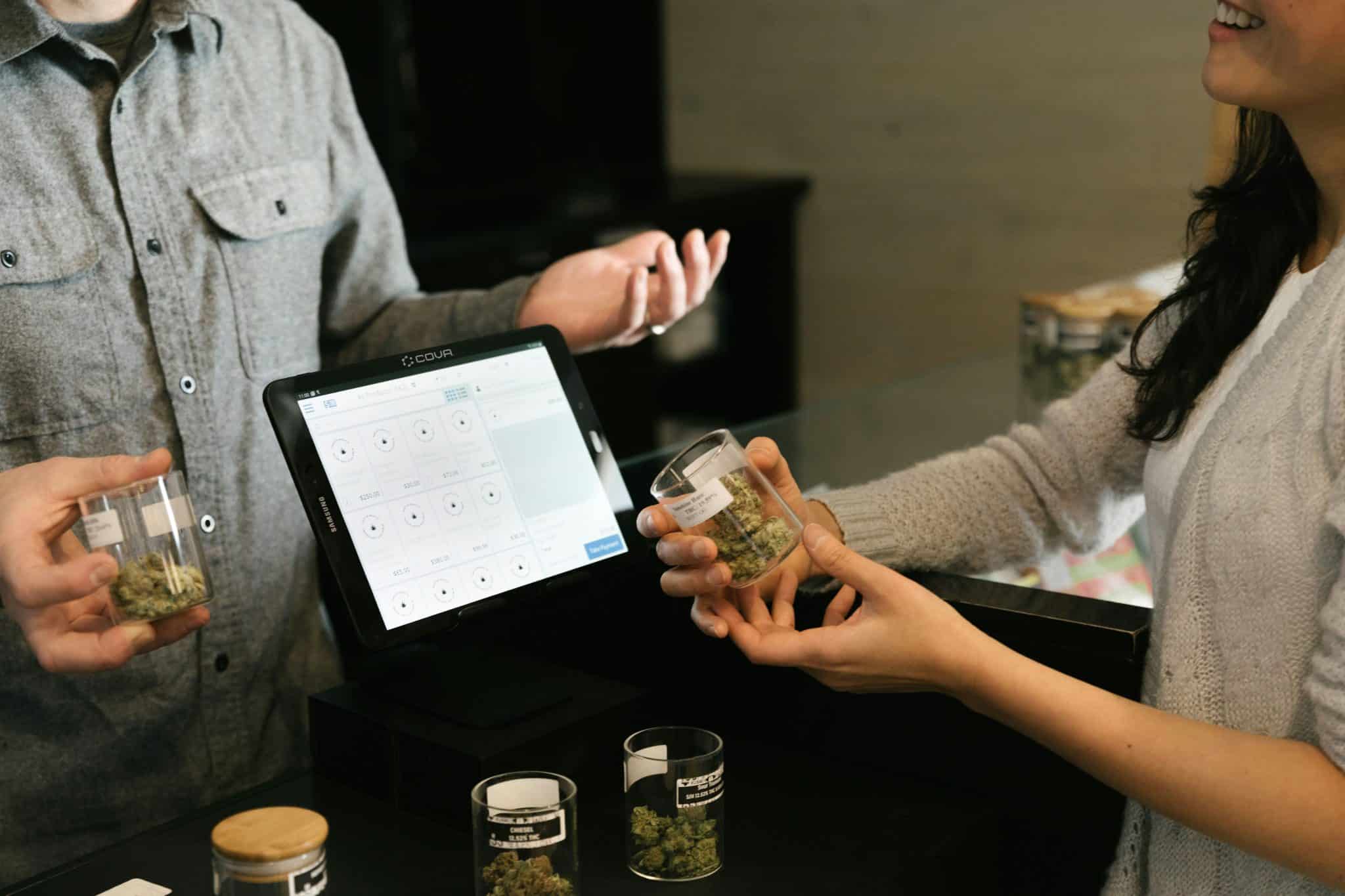
Florida MMTCs carry a full range of cannabis products, and the dispensary menu at most major operators reflects the breadth of what state law permits. Smokable cannabis flower was not always legal in Florida. The 2019 SB 182 amendment changed that, and cannabis flower has since become one of the most popular product categories available.
Current Florida MMTC cannabis products include:
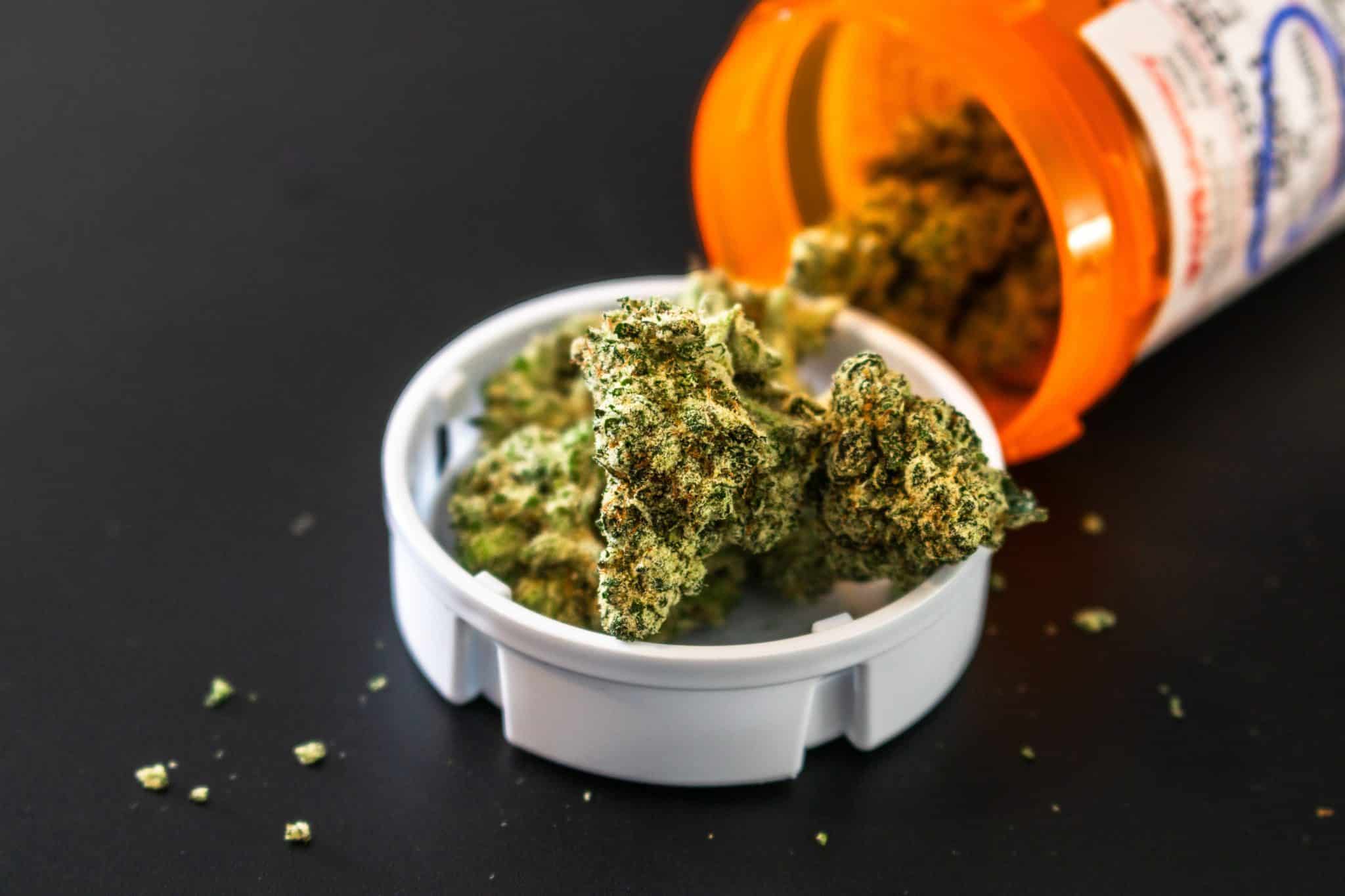
- Smokable flower. Sold in pre-rolls and loose form, flower is subject to the 2.5-ounce per 35-day purchase limit under §381.986.
- Vape cartridges and concentrates. Includes wax, shatter, live resin, and rosin. These are among the highest-potency options available and count toward your THC milligram cap.
- Tinctures and edibles. Tinctures are liquid cannabis extracts taken sublingually. Edibles include gummies and capsules. Both are popular for patients seeking precise dosing.
- Topicals. Creams, balms, and patches designed for localized application. Topicals typically do not produce systemic effects and are favored for targeted symptom relief.
- Low-THC cannabis products. Products containing 0.8% or less THC and more than 10% cannabidiol (CBD) by weight, as defined under Florida Statute §381.986, governed by a separate 70-day supply window under Florida cannabis law.
One distinction that trips up a lot of new patients: vape cartridges, edibles, tinctures, capsules, topicals, and suppositories all draw from a single shared 70-day pool capped at 24,500 mg of THC, not separate 35-day limits for each. Only smokable flower runs on its own, separate 35-day, 2.5-ounce cycle.
One state-specific note worth knowing: Florida does not currently permit traditional cannabis retail edibles in the same forms available in adult-use states. Product formats available at MMTCs are defined by OMMU rule, and operators must stay within those parameters. Checking a dispensary’s online menu before your visit is the most reliable way to confirm current availability, since menu depth varies by operator and location.
How to Choose the Right Florida Dispensary for Your Needs
No two MMTCs stock the same menu, price their products identically, or offer the same level of service, even though every one of them operates under the same Florida MMTC license. Choosing between operators based on the dispensary menu alone misses several factors that can matter significantly over time, especially for patients managing ongoing qualifying medical conditions.
Price and tax treatment are a practical starting point. Florida’s medical cannabis program is medical-only, which means patients do not pay state sales tax on their purchases. That tax exemption applies at every licensed MMTC and represents a real cost difference compared to adult-use states where retail cannabis is taxed at point of sale.
For a detailed breakdown, our medical vs recreational cannabis taxes explainer covers how Florida’s framework compares to dual-use states. Similarly, if cost is a concern, it helps to know whether medical marijuana is covered by insurance and what financial assistance options exist.
Beyond price, consider these factors when comparing dispensary locations:
- Product variety and menu depth. Operators like Trulieve and Curaleaf carry extensive menus including flower, concentrates, tinctures, edibles, and topicals. Smaller operators may specialize in fewer formats.
- Delivery availability. Several MMTCs offer statewide delivery, which matters for patients in rural counties with limited nearby dispensary locations. Confirm delivery coverage and lead times directly with the operator.
- Certificate of analysis (COA) transparency. Reputable MMTCs publish third-party lab results for their cannabis products. COA access lets you verify cannabinoid potency and confirm that the product meets the limits your physician certified.
- Online ordering and menu access. Most major operators support online ordering with in-store pickup, which lets you review the dispensary menu and confirm product availability before traveling.
Patients who obtained their medical marijuana card through a telehealth platform like Veriheal have one additional consideration. Your certifying physician’s milligram recommendations directly determine which product formats are most accessible to you at any MMTC. If your limits were set conservatively and your needs have changed, a recertification appointment is the time to discuss adjustments with your physician.
Can I Use an Out-of-State Medical Marijuana Card in Florida?
Florida does not accept medical marijuana cards issued by other states. There is no reciprocity between Florida and any other state’s medical cannabis program, which means out-of-state cardholders cannot purchase from Florida MMTCs regardless of whether their home state’s program is active and valid.
For out-of-state visitors or part-year residents, the only path to legal access in Florida is obtaining a Florida certification from a Florida-licensed physician and completing patient registration through the OMMU. The OMMU does not offer a temporary or visitor certification category.
For a full breakdown of which states allow out-of-state patients to buy medical marijuana, Florida does not appear on that list. If you’re a frequent visitor to Florida and rely on cannabis as part of your medical care, consulting a Florida-licensed physician for a Florida-specific certification is the only route that provides legal dispensary access.
Find a Florida Dispensary Near You
Ready to visit a Florida MMTC? Whether you still need your medical marijuana card or you’re a current patient looking for dispensary locations near you, Veriheal can help. Find a FL Dispensary and connect with a Florida-licensed physician through our telehealth platform if you haven’t completed your certification yet.
Note: The content on this page is for informational purposes only and is not intended to be professional medical advice. Do not attempt to self-diagnose or prescribe treatment based on the information provided. Always consult a physician before making any decision on the treatment of a medical condition.
Note: Veriheal does not support illegally consuming therapeutic substances such as cannabis but acknowledges that it transpires because of the current illicit status, which we strive to change by advocating for research, legal access, and responsible consumption. Always consult a physician before attempting alternative therapies.
Frequently Asked Questions
How do I get a medical marijuana card in Florida?
Getting a medical marijuana card in Florida requires a certification from a qualified physician who is registered with the OMMU, followed by patient registration through the OMMU’s Medical Marijuana Use Registry. Once your registration is approved and your card arrives, you can purchase cannabis products at any licensed MMTC statewide. You can start the process online through how to get your medical marijuana card online, which walks through each step from physician consultation to card approval. Once you have your card, it is also worth understanding if a medical cannabis card shows up on a background check before completing your registration.
What conditions qualify for medical marijuana in Florida?
Florida’s medical marijuana program covers a defined list of qualifying medical conditions under §381.986(2)(a), including cancer, epilepsy, glaucoma, HIV/AIDS, post-traumatic stress disorder (PTSD), amyotrophic lateral sclerosis (ALS), Crohn’s disease, Parkinson’s disease, multiple sclerosis, and chronic nonmalignant pain. A qualified physician recommendation is required for each condition, and physicians may also certify patients for conditions of the same kind or class as those enumerated in the statute.
How much does medical marijuana cost at Florida dispensaries?
Pricing at Florida MMTCs varies by operator, product type, and potency, with cannabis flower and vape cartridges typically ranging from mid-tier to premium depending on the brand. Florida medical patients do not pay state sales tax on cannabis products, which represents a meaningful cost reduction compared to adult-use markets. Most MMTCs publish their dispensary menu with current pricing online, making it straightforward to compare options before visiting.
What is the Medical Marijuana Use Registry?
The Medical Marijuana Use Registry (MMUR) is the OMMU’s statewide database for patient registration, physician certifications, and real-time purchase tracking. It records every cannabis purchase made at any licensed MMTC and maintains each patient’s remaining supply balance across all operators simultaneously. Patients and caregivers can access their registry information, check remaining purchase limits, and manage their caregiver designation at OMMU’s Medical Marijuana Use Registry.
Author, Share & Comments