How much weed counts as a lot depends on where you are on the buying scale. A QP of cannabis, short for a quarter pound of cannabis, sits near the top of what most people will ever purchase at one time.
QP is one of those weed lingo terms you will hear often once you move beyond buying small amounts, and understanding what it means in practical terms saves a lot of guesswork when buying weed.
This guide breaks down the cost of a QP, how many grams it is, what it looks like, and how long it will last you.
What Is a QP of Weed?
A QP is short for a quarter pound, which is one-fourth of a pound of cannabis. It is a standard cannabis measurement used across the cannabis industry by dispensaries, growers, and buyers alongside other common weed measurements like the eighth, quarter, and ounce.
In terms of both imperial and metric systems, a QP works out to approximately 113.4 grams, which equals 4 ounces. One pound contains 16 ounces, so a QP is exactly one-fourth of a pound.
Here is how a QP sits within the broader scale of cannabis measurements:
| Measurement |
Grams |
Ounces |
| Gram |
1g |
0.035 oz |
| Eighth of an ounce |
3.5g |
0.125 oz |
| Quarter ounce |
7g |
0.25 oz |
| Half ounce |
14g |
0.5 oz |
| Ounce |
28g |
1 oz |
| QP |
113.4g |
4 oz |
| Pound |
453.6g |
16 oz |
QPs are one of the larger quantities for personal use. Most dispensaries stock them, though not all will sell this amount of weed to recreational buyers depending on state limits.
How Much Is a QP of Weed?
The cost of a QP varies depending on your location, the cannabis market you are buying from, and the quality of the flower. Weed costs vary significantly across legal markets, medical programs, and states where cannabis is still illegal to legally sell recreationally.
As a general guide, QP prices typically break down like this:
| Tier |
Price Range |
What to Expect |
| Budget |
$300–$600 |
Lower potency, basic cultivation |
| Mid-range |
$600–$900 |
Balanced quality and consistency |
| Top-shelf |
$900–$1,200+ |
Premium strains, high THC content |
Retail pricing also shifts depending on the strain and whether you are in a medical or recreational market. In legalized states with competitive cannabis markets, budtenders can often point you toward bulk deals that bring the price per gram down further.
Compared to smaller purchases, buying weed in bulk works out cheaper per unit. An ounce of marijuana might cost $150–$300, putting the per-gram price at $5–$10. A QP often brings that down to $3–$8 per gram of weed, with medical patients typically seeing the biggest savings due to reduced taxes.
If you want to buy a QP of weed through a legal dispensary, your eligibility and purchase limits will depend on your state and patient status.
What Does a Quarter Pound of Weed Look Like?
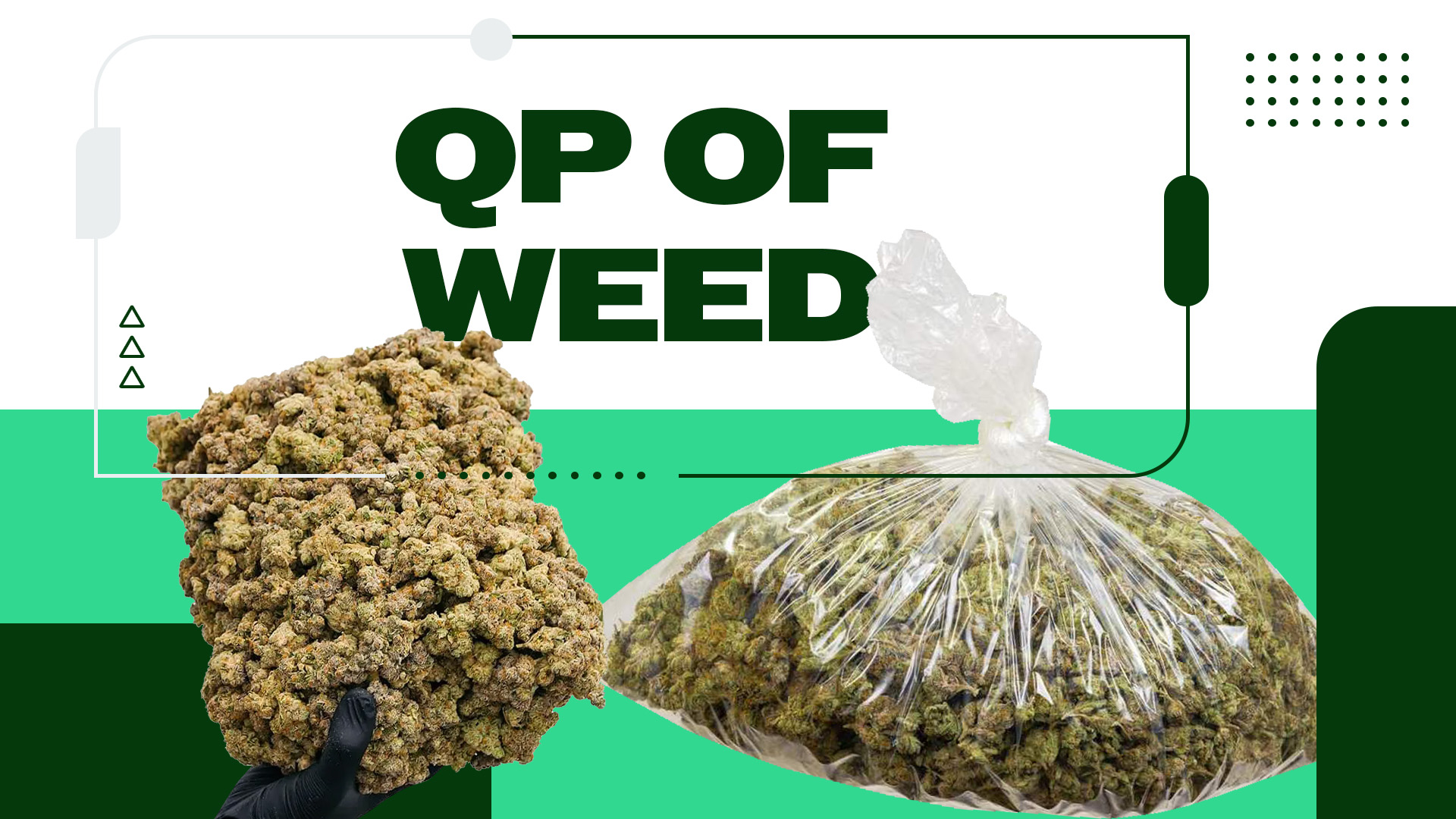
A QP of cannabis flower takes up more space than most people expect. Think of a large zip-lock bag loosely packed with flower, full and slightly bulging. For most buyers, seeing this amount of weed in person for the first time makes clear just how much you are dealing with compared to a standard retail eighth or ounce.
Visual volume depends on bud density. Sativa strains tend to produce lighter, airier buds, so roughly 113 grams can look like a substantial amount. Indica strains grow denser and more compact, meaning the same weight takes up noticeably less space.
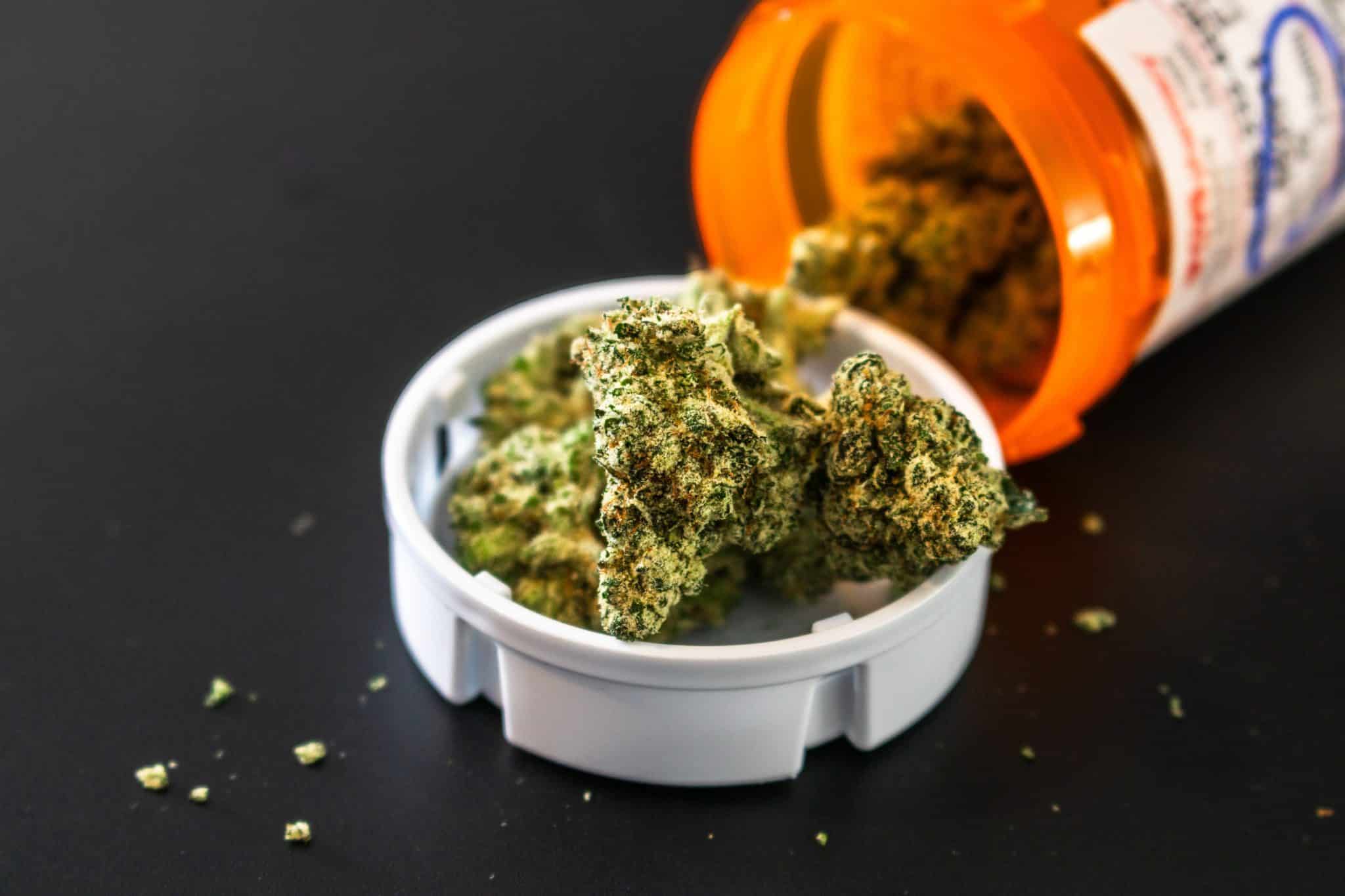
THC content and quality are also readable at a glance. Good flower shows vibrant greens with orange or amber hairs and a frosted coating of trichomes. The trim is clean and consistent. Lower-quality flower tends to look dull or brownish, with more stems, broken pieces, and fewer visible trichomes, which are signs of age or poor storage.
How Many Joints Does a QP of Weed Make?
A QP could keep a regular consumer stocked for weeks or months depending on how often you consume and what format you prefer. With 113 grams of weed on hand, here is how the sessions break down:
| Format |
Amount Per Use |
Sessions from a QP |
| Small joint |
0.5g |
~226 |
| Standard joint |
1g |
~113 |
| Bowl |
0.25–0.5g |
~226–453 |
| Blunt |
1–2g |
~56–113 |
This range shows how your joint rolling style affects total output. Smaller joints stretch your supply, while larger ones reduce the total count.
A pound follows the same logic but at four times the scale, useful context if you are ever comparing bulk pricing.
If you prefer edibles, the math shifts depending on your dose per batch, but a QP gives you enough cannabis flower to produce a substantial supply in any format.
Is Buying a QP of Weed Legal?
Purchase and possession limits vary significantly by state. In most legalized states, this quantity of weed exceeds the legal limit individuals are allowed to carry, making it important to understand your local laws before buying weed in bulk.
In states where adults can legally purchase cannabis for recreational use, personal possession is typically capped at 1 ounce (28 grams). Holding a quarter pound puts you well above that limit. States where cannabis is still illegal have no legal framework for any quantity, making bulk purchases entirely off the table.
Medical cannabis programs are different. They allow larger quantities for personal use, with some states permitting patients to hold significantly more than recreational buyers. Oklahoma allows registered patients to possess up to 3 ounces of weed on their person. Oregon allows medical patients to hold up to 24 ounces at a residence, making a quarter pound well within legal range under those conditions.
Legal cannabis access through a medical program depends on your state, your qualifying condition, and your patient status. A licensed physician can walk you through what you are legally allowed to purchase and possess. Veriheal connects you with doctors across the country who can help.
Note: Possession laws vary and change. Always verify your state’s current regulations before purchasing.
How to Store a QP of Weed
At 113.4 grams, proper storage matters more than it does with smaller purchases. A poor setup can affect a large portion of your supply at once, leading to loss of potency, dry texture, and mold growth.
A few key practices help preserve your supply over time:
- Use airtight glass jars to limit oxygen exposure and protect freshness
- Store in a cool and dark place to reduce light and heat damage
- Keep humidity between 55% and 62% to maintain texture and potency
- Add humidity packs to stabilize moisture and reduce mold risk
- Avoid plastic bags or loose containers that allow air exchange
When stored correctly, cannabis flower can retain quality for six to twelve months. Potency may decline gradually over time, but the right conditions slow that process considerably and keep your supply usable for longer.
QP vs. Other Weed Measurements — Quick Reference
A quarter pound sits near the top of common measurements of weed, so it helps to see how it compares to smaller and larger amounts. This breakdown gives you a clear view of weight, cost, and how each size translates into real use.
| Measurement |
Grams |
Ounces |
Approx Cost Range |
Approx Joints |
| Gram |
1 gram |
0.035 oz |
$5 to $15 |
1 to 2 |
| Eighth |
3.5 grams |
0.125 oz |
$20 to $50 |
3 to 7 |
| Quarter |
7 grams |
0.25 oz |
$40 to $90 |
7 to 14 |
| Half ounce |
14 grams |
0.5 oz |
$80 to $180 |
14 to 28 |
| Ounce |
28 grams |
1 oz |
$150 to $300 |
28 to 56 |
| QP |
113.4 grams |
4 oz |
$300 to $1,200 |
113 to 226 |
| Pound |
453.6 grams |
16 oz |
$1,200 to $4,000 |
450 to 900 |
Smaller amounts suit short-term personal use, while larger quantities like a quarter pound or half a pound align with bulk buying and long-term supply.
A licensed medical marijuana doctor can help you understand your state’s possession limits and whether a medical card is right for you. Find a doctor on Veriheal today.
Note: Veriheal does not support illegally consuming therapeutic substances such as cannabis but acknowledges that it transpires because of the current illicit status, which we strive to change by advocating for research, legal access, and responsible consumption. Always consult a physician before attempting alternative therapies.
Frequently Asked Questions
How many grams is a QP of weed?
A QP equals 113.4 grams, or roughly 113 grams rounded down. This is based on one-fourth of a pound, with a full pound equaling 453.6 grams.
How many ounces is a quarter pound?
A quarter pound equals four ounces. This comes from the standard conversion where one pound is 16 ounces, and one-fourth of that is 4 ounces.
How much does a QP of weed cost?
The cost of a QP typically runs between $300 and $1,200, depending on quality, location, and market type. Medical programs usually offer lower prices, while recreational markets tend to run higher due to taxes and supply factors.
What does a QP of weed look like?
It looks like a large zip-lock bag loosely packed with cannabis flower. The exact appearance varies by strain, with airy buds taking up more space and dense buds looking more compact at the same weight.
How many joints can you roll from a QP?
You can roll about 113 to 226 joints, depending on how much you use per joint. A standard joint uses roughly 0.5 to 1 gram of flower per session.
Is it legal to buy a QP of weed?
It depends on your state. In most recreational states, this quantity exceeds the personal legal limit. Some medical cannabis programs permit higher amounts for registered patients. Always verify your state’s current regulations before purchasing.
How should I store a QP of weed?
Store it in airtight glass jars in a cool and dark place, with humidity kept between 55% and 62%. This helps maintain potency and prevents mold over time.
Author, Share & Comments