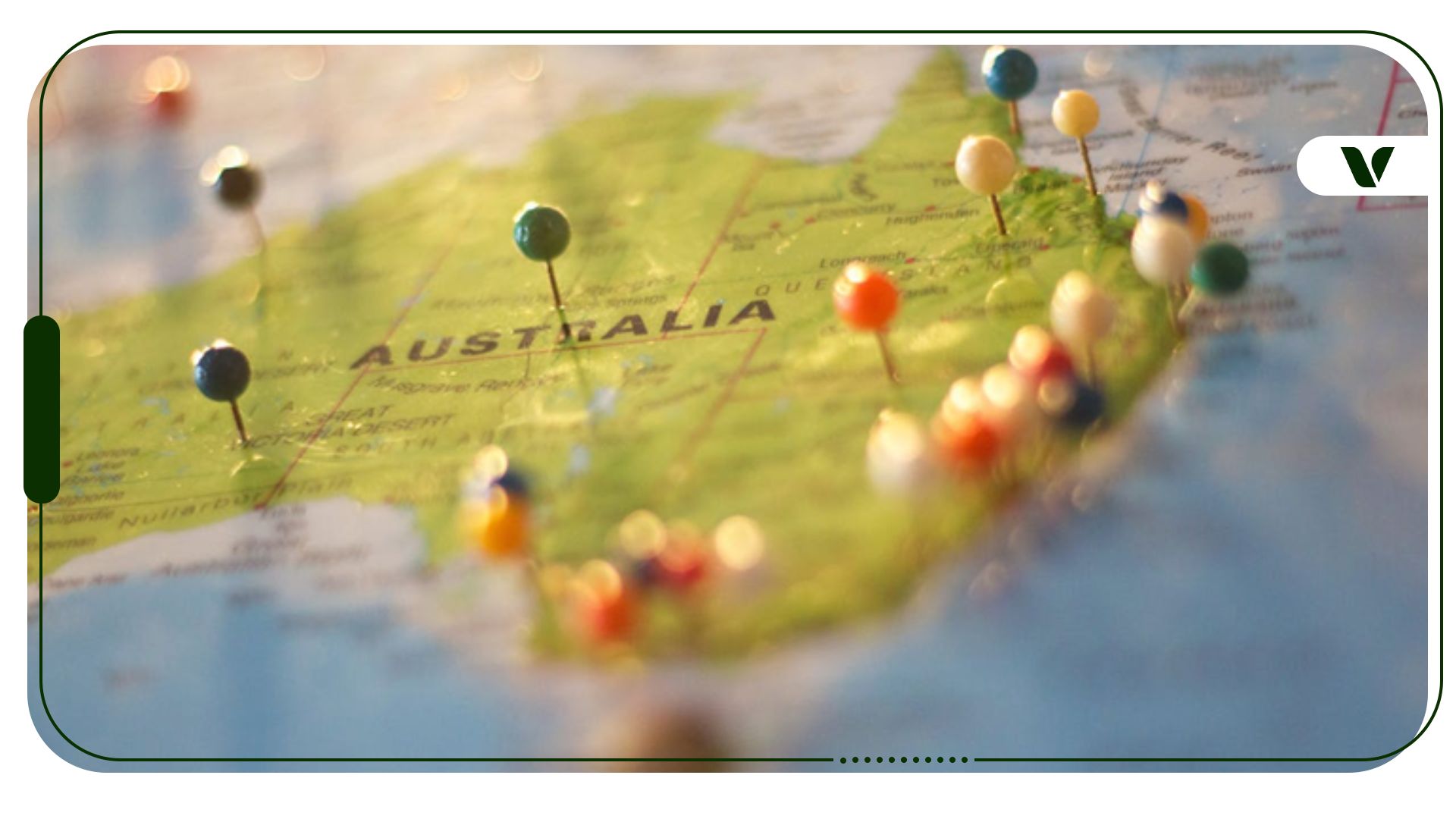
Cannabis laws in Australia operate on two levels. Medical cannabis is legal nationwide through prescription, while recreational use remains illegal everywhere except the Australian Capital Territory. You can legally access medicinal cannabis through a doctor in any state, but possession limits and cultivation rules vary significantly between territories.
This guide covers current cannabis laws across all Australian states and territories, medical access pathways, and what visitors need to know about bringing cannabis into the country.
A Brief History of Australian Cannabis Laws
Cannabis arrived in Australia with British settlers in the 1770s, who brought hemp for rope and sailcloth production, according to historical documentation of cannabis use. Aboriginal Australians had no prior experience with the plant since cannabis isn’t native to the continent.
Australia joined the international cannabis prohibition movement in 1925, aligning with global restrictions that emerged after the 1920s anti-cannabis campaigns. Federal prohibition remained largely unchanged for decades, with cannabis classified alongside harder drugs under criminal law.
The modern medicinal cannabis era began in 2016 when the federal government legalised medical use through prescription. This opened pathways for patients while maintaining recreational prohibition across most of the country.
2018-2026 Medical Cannabis Expansion
Since 2018, Australia’s medical cannabis program has expanded rapidly. The Therapeutic Goods Administration now approves hundreds of cannabis products, from oils and capsules to dried flower for vaporisation. Patient numbers have grown from fewer than 1,000 in 2018 to over 150,000 registered users by 2026.
Key developments include streamlined prescriber approval processes, expanded qualifying conditions, and state-level cultivation programs. However, recreational legalisation remains limited to the ACT, with no other state following suit as of 2026.
Cannabis Laws in Australia: Medical vs Recreational
Australian cannabis law creates a clear distinction between medical and recreational use. Medical cannabis is legal nationwide through prescription, regulated by the Therapeutic Goods Administration and state health departments. Recreational cannabis remains federally illegal, with only the ACT allowing personal use and cultivation.
This split system means you can legally possess prescribed medicinal cannabis in any Australian state, but recreational possession outside the ACT remains a criminal offense. The benefits of medical marijuana extend beyond legal protection to include standardised dosing and quality assurance.
Medical patients must carry prescription documentation and purchase only from licensed pharmacies or clinics. Recreational users in states other than the ACT face fines, criminal charges, or both depending on quantities involved.
Cannabis Laws in Major Australian Cities
Cannabis enforcement varies significantly between major Australian cities, even within the same state. While medical cannabis laws remain consistent nationwide, local police practices and court attitudes toward recreational use differ markedly.
Melbourne
Victoria’s capital operates under state laws that decriminalise small amounts of recreational cannabis. Police issue cautions for possession under 50 grams, though cultivation remains illegal. Melbourne has numerous medical cannabis clinics, making prescription access relatively straightforward compared to rural areas.
- Medical access: 15+ specialised clinics throughout the metropolitan area.
- Recreational enforcement: Police caution system for small amounts.
- Public consumption: Illegal in all public spaces, including parks and streets.
Sydney
New South Wales maintains stricter recreational penalties than Victoria. Sydney police typically issue criminal infringement notices for small amounts, carrying fines up to $400. Medical cannabis access requires specialist referral in most cases.
- Medical access: Specialist referral required for most conditions.
- Recreational enforcement: Criminal infringement notices for possession.
- Public consumption: Strictly prohibited with immediate fines.
Brisbane
Queensland takes a conservative approach to both recreational and medical cannabis. Brisbane courts rarely offer diversion programs, and medical access requires extensive documentation compared to southern states.
- Medical access: Requires detailed medical history and specialist consultation.
- Recreational enforcement: Court appearances common for any amount.
- Public consumption: Zero tolerance policy with criminal charges.
Perth
Western Australia operates a cannabis infringement notice system for recreational possession under 10 grams. Perth has moderate medical access through both GPs and specialists, though product availability lags behind eastern states.
- Medical access: Mixed GP and specialist prescribing.
- Recreational enforcement: Fines for possession under 10 grams.
- Public consumption: Prohibited but rarely enforced in private residences.
Cannabis in the Australian Capital Territory (ACT)
The ACT remains Australia’s only territory where recreational cannabis is legal for personal use. Adults can possess up to 50 grams of dried cannabis and cultivate up to two plants per person, with a maximum of four plants per household.
However, ACT’s recreational laws create complex legal situations. Federal drug laws still apply in the territory, meaning possession remains technically illegal under Commonwealth legislation. In practice, federal authorities don’t prosecute personal use cases that comply with ACT limits.
Medical Cannabis in ACT
The ACT operates its own medical cannabis program alongside recreational legalisation. Medical patients can access larger quantities than recreational limits allow, and prescription products offer standardised potency and quality testing.
- Medical possession limits: Up to 90 days of prescribed medication.
- Recreational possession limits: 50 grams dried cannabis for personal use.
- Cultivation limits: 2 plants per person, 4 per household maximum.
- Public consumption: Prohibited in all public spaces for both categories.
Cannabis in New South Wales (NSW)
NSW maintains strict recreational cannabis laws while operating a comprehensive medical program. Recreational possession carries criminal penalties, though first-time offenders may receive cautions or diversion programs rather than court appearances.
The state’s Compassionate Use Advisory Panel approves medical cannabis access for patients with approved conditions. NSW allows both imported and locally cultivated medicinal cannabis products through its licensing system.
- Recreational penalties: Criminal infringement notices for possession.
- Medical access: Through approved prescribers and advisory panel.
- Cultivation: Illegal for recreational use, licensed medical production only.
- Workplace testing: Legal grounds for dismissal in safety-sensitive roles.
Cannabis in Victoria
Victoria has partially decriminalised recreational cannabis possession while maintaining full medical legalisation. Police issue cautions for possession under 50 grams rather than criminal charges, though cultivation and trafficking remain serious offenses.
Victoria’s medical cannabis program allows GP prescribing for approved conditions without specialist referral in many cases. The state cultivates medical products locally through licensed facilities, reducing costs compared to imported alternatives.
- Recreational approach: Police cautions for possession under 50 grams.
- Medical prescribing: GP access for approved conditions.
- Cultivation: Illegal recreationally, state-licensed medical production.
- Court attitudes: Diversion programs common for first-time offenses.
How to Access Medical Cannabis in Australia
Accessing medical cannabis in Australia requires a valid prescription from an approved prescriber. The process involves consultation, application approval, and ongoing monitoring through either your GP or a specialist cannabis clinic.
Most patients begin with a GP consultation to assess eligibility and discuss treatment options. GPs can prescribe certain cannabis products directly, while others require Therapeutic Goods Administration approval through the Special Access Scheme.
Finding a Prescribing Doctor
Not all Australian doctors prescribe medical cannabis, so finding an experienced prescriber is essential. Cannabis clinics offer specialised knowledge but typically charge higher consultation fees than standard GP visits.
Your existing GP may prescribe if they’ve completed cannabis prescribing education. Otherwise, specialist clinics provide comprehensive assessments and product selection guidance. Many clinics offer telehealth consultations for patients in remote areas.
Prescription Process and Costs
The prescription process typically takes 2-4 weeks from initial consultation to product access. Consultations range from $150-400 depending on the prescriber type and assessment complexity.
- Initial consultation with prescriber assessment of medical history and current treatments.
- Application submission to state health department or TGA depending on product type.
- Approval notification and prescription issuance within 5-10 business days.
- Product collection from licensed pharmacy with ongoing prescription monitoring.
Insurance and Medicare Coverage
Medicare doesn’t cover medical cannabis consultations or products, making treatment entirely out-of-pocket. Private health insurance rarely covers cannabis-related medical expenses, though some funds reimburse consultation fees under general practitioner benefits.
Monthly medication costs typically range from $200-800 depending on dosage requirements and product selection. Oil-based products cost less than dried flower, while imported medications carry higher prices than locally produced alternatives.
Cannabis in Queensland
Queensland maintains conservative cannabis laws with criminal penalties for recreational possession and cultivation. The state operates a medical cannabis program but requires extensive documentation and specialist oversight compared to other jurisdictions.
Queensland’s drug courts offer limited diversion programs, and recreational cannabis cases typically proceed to criminal prosecution regardless of quantities involved. Medical access requires specialist referral for most conditions.
- Recreational penalties: Court appearances common for any possession amount.
- Medical requirements: Specialist referral and extensive documentation required.
- Cultivation: Criminal offense for recreational use with mandatory penalties.
- Regional differences: Rural courts impose harsher penalties than Brisbane.
Cannabis in Western Australia (WA)
WA operates a cannabis infringement notice system for small amounts of recreational possession. Adults found with under 10 grams receive fines rather than criminal charges, though cultivation and trafficking remain serious offenses.
The state’s medical cannabis program allows GP prescribing for approved conditions, though product availability lags behind eastern states due to limited local cultivation and distribution networks.
- Recreational fines: Infringement notices for possession under 10 grams.
- Medical access: GP prescribing available with TGA approval requirements.
- Cultivation limits: Illegal for recreational use, limited medical licensing.
- Regional enforcement: Consistent statewide application of infringement system.
Cannabis in South Australia (SA)
SA pioneered cannabis law reform in Australia with its expiation notice system introduced in the 1980s. Adults receive fines rather than criminal charges for possession under 25 grams, making it one of the more lenient approaches to recreational use.
The state allows medical cannabis prescribing through both GPs and specialists, with moderate documentation requirements compared to conservative jurisdictions like Queensland.
- Recreational approach: Expiation notices for possession under 25 grams.
- Medical prescribing: Both GP and specialist pathways available.
- Cultivation rules: Small-scale cultivation carries fines rather than criminal charges.
- Historical approach: Longest-running cannabis law reform in Australia.
Cannabis in Tasmania
Tasmania maintains strict recreational cannabis laws with criminal penalties for possession and cultivation. The island state operates a limited medical cannabis program requiring specialist oversight for most prescriptions.
Medical access in Tasmania involves longer wait times than mainland states due to limited specialist availability and pharmacy networks. Patients often travel to mainland cities for initial consultations.
- Recreational stance: Criminal charges for possession with limited diversion options.
- Medical access: Specialist-required with limited local prescriber availability.
- Geographic challenges: Limited pharmacy access outside Hobart and Launceston.
- Court system: Conservative approach with minimal cannabis law reform.
Cannabis in the Northern Territory (NT)
The NT applies criminal penalties for recreational cannabis possession while operating a basic medical program. The territory’s remote geography creates enforcement challenges, but penalties remain harsh when cases reach court.
Medical cannabis access requires interstate consultation in many cases due to limited local specialist availability. Patients often coordinate care through South Australian or Victorian clinics.
- Recreational enforcement: Criminal charges standard with limited court diversion.
- Medical limitations: Requires interstate consultation for specialist access.
- Remote challenges: Limited law enforcement presence affects consistency.
- Aboriginal communities: Traditional law systems sometimes conflict with cannabis prohibition.
Medical Cannabis Products Available in Australia
Australia’s medical cannabis market includes oils, capsules, dried flower for vaporisation, and topical preparations. All products require prescription access and must meet Therapeutic Goods Administration quality standards for potency and contaminant testing.
The TGA categorises medical cannabis into different schedules based on THC content and administration method. Lower-THC products face fewer prescribing restrictions, while higher-potency medications require additional approvals.
TGA Categories and Approval Process
Schedule 8 products contain higher THC levels and require Special Access Scheme approval before prescribing. Schedule 4 products with lower THC can be prescribed directly by authorised practitioners without additional approval steps.
Most Australian medical cannabis products are imported from Canada, Netherlands, or Germany, though local cultivation is expanding. Domestic products typically cost less than imports but have limited strain variety compared to international options.
Common Medical Cannabis Products Prescribed
| Product Type |
THC Content |
Prescription Process |
Typical Cost per Month |
| CBD oils |
<2% THC |
GP prescribing |
$150-300 |
| Balanced oils |
5-20% THC |
TGA approval required |
$200-400 |
| Dried flower |
15-25% THC |
TGA approval required |
$300-500 |
| Capsules |
Variable |
Depends on THC content |
$200-350 |
Dried flower products are prescribed for vaporisation only. Smoking remains prohibited even for medical patients. Oil-based products offer more precise dosing than flower, making them suitable for patients new to cannabis treatment.
Can You Grow Weed Legally in Australia?
Personal cannabis cultivation is illegal throughout Australia except in the ACT, where adults can grow up to two plants per person with a four-plant household maximum. Medical patients cannot cultivate their own cannabis even with valid prescriptions.
The ACT’s cultivation laws require plants to be grown on private property away from public view. Plants must be secured to prevent access by minors, and dried cannabis from personal cultivation cannot be sold or distributed.
Commercial cultivation operates under strict licensing in several states for medical supply. Companies like Cannatrek, Little Green Pharma, and Beacon Medical produce cannabis locally under pharmaceutical manufacturing standards.
- Personal cultivation: Legal only in ACT with strict plant limits.
- Medical cultivation: Prohibited for patients, commercial licensing only.
- Security requirements: Plants must be secured from public access and minors.
- Commercial licensing: Available in NSW, Victoria, Queensland, and WA.
Getting Medical Cannabis in Australia as a Visitor
International visitors cannot access Australian medical cannabis programs during short-term stays. Tourist prescriptions are not recognised, and bringing cannabis into Australia remains federally illegal regardless of medical documentation from other countries.
Visitors with existing medical cannabis prescriptions from their home countries must discontinue use during Australian travel. The country’s strict border controls detect cannabis products, and customs officials don’t recognise international medical documentation.
Long-term residents or immigrants can apply for Australian medical cannabis access after establishing residency and Medicare eligibility. The process requires local medical consultations and cannot be expedited for temporary visitors.
For international travelers wondering about medical cannabis travel options, Australia maintains zero tolerance policies that differ significantly from more permissive destinations like Canada or certain US states.
Australia vs International Cannabis Laws
Australia’s cannabis approach differs markedly from other developed nations. While medical access exists nationwide, recreational prohibition puts Australia behind countries like Canada, Uruguay, and several US states in cannabis law reform.
Compared to European nations, Australia’s medical program requires more documentation and specialist oversight. Countries like Germany and Netherlands offer broader access pathways, while Australia maintains conservative prescribing requirements.
Bringing Cannabis from Legal Countries
No reciprocity exists between Australia and cannabis-legal jurisdictions. Visitors from Canada, legal US states, or European nations with liberal cannabis laws cannot bring products across Australian borders under any circumstances.
Australia’s Customs Act treats all cannabis as prohibited imports regardless of legal status in the origin country. This applies to medical patients with valid prescriptions from their home jurisdictions.
Medical Cannabis Reciprocity
| Country |
Medical Program |
Tourist Access |
Border Policy |
| Australia |
Prescription required |
Not available |
Zero tolerance imports |
| Canada |
Legal recreational |
Available to tourists |
Prohibited imports to Australia |
| Netherlands |
Tolerance policy |
Coffeeshop access |
No recognition in Australia |
| Germany |
Medical prescriptions |
Not available |
No reciprocity |
International patients should research cannabis laws in Europe before assuming their Australian experience will translate to other destinations.
Punishment for Breaking Australian Cannabis Laws
Cannabis penalties vary dramatically between Australian states, from police cautions to criminal prosecution and imprisonment. Trafficking and cultivation carry severe penalties nationwide, while personal possession punishments depend on state-specific laws and local enforcement practices.
First-time recreational possession typically results in fines or cautions in progressive states like Victoria and SA. Conservative jurisdictions like Queensland and Tasmania pursue criminal prosecution for any amount of cannabis possession.
Commercial trafficking carries mandatory imprisonment terms in most states, with sentences ranging from two years for small-scale dealing to life imprisonment for large commercial operations. Courts consider prior convictions, quantities involved, and whether minors were targeted.
- Personal possession: Fines to criminal prosecution depending on state.
- Cultivation: Criminal charges in all states except ACT personal limits.
- Trafficking: Mandatory imprisonment with sentences up to life terms.
- Border violations: Federal prosecution with minimum two-year sentences.
Note: The content on this page is for informational purposes only and is not intended to be professional medical advice. Do not attempt to self-diagnose or prescribe treatment based on the information provided. Always consult a physician before making any decision on the treatment of a medical condition.
Note: Veriheal does not support illegally consuming therapeutic substances such as cannabis but acknowledges that it transpires because of the current illicit status, which we strive to change by advocating for research, legal access, and responsible consumption. Always consult a physician before attempting alternative therapies.
Ready to explore medical cannabis options legally? Connect with healthcare providers who understand cannabis medicine by finding a medical marijuana doctor.
Frequently Asked Questions
Is recreational cannabis legal anywhere in Australia?
Recreational cannabis is legal only in the Australian Capital Territory (ACT). Adults can possess up to 50 grams and cultivate two plants per person, though federal laws still technically apply.
Can tourists get medical cannabis in Australia?
No, international visitors cannot access Australian medical cannabis programs during short-term stays. Tourist prescriptions from other countries are not recognised.
How much does medical cannabis cost in Australia?
Monthly medical cannabis costs range from $200-800 depending on dosage and product type. Medicare and most private insurance plans don’t cover cannabis medications or consultations.
Can I travel between Australian states with medical cannabis?
Yes, valid medical cannabis prescriptions are recognised across all Australian states and territories. Patients must carry prescription documentation when traveling.
What happens if I’m caught with cannabis in Australia?
Penalties vary by state from police cautions and fines to criminal prosecution and imprisonment. The ACT has the most lenient laws, while Queensland and Tasmania impose the strictest penalties.
Can I grow cannabis for medical use in Australia?
No, medical patients cannot cultivate cannabis even with valid prescriptions. Only the ACT allows personal cultivation for recreational use within strict limits.
Author, Share & Comments