1-855-452-6224 (Customer Support Available 24/7)

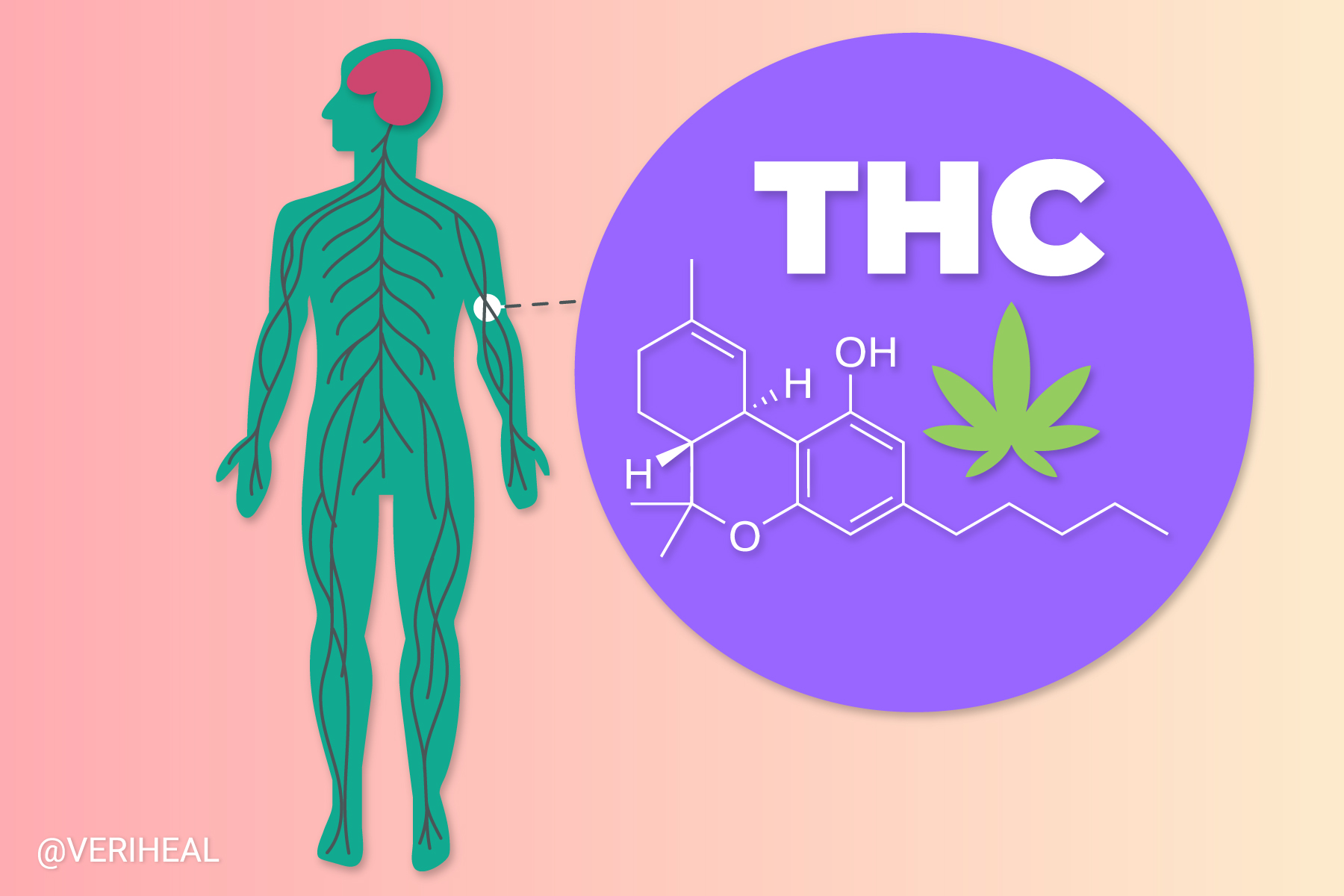
The cannabinoids from the cannabis plant are some of the most intriguing and complex compounds found in plants. It has been known for quite some time now that cannabinoids are the reason we are able to gain so many benefits from consuming cannabis, alongside terpenes. It is also known that the cannabinoids bind to the receptors of the endocannabinoid system or the ECS. Yet, despite knowing all this, there is even more that is yet to be understood. Fortunately, research is beginning to get a better understanding of how cannabinoids work and bind to the receptors in the ECS.
Cannabinoids are the active compounds found in the cannabis plant, alongside the likes of cacao, black pepper, and Japanese liverwort. Cannabinoids include compounds known as Cannabidiol (CBD), Tetrahydrocannabinol (THC), Cannabinol (CBN), and Cannabichromene (CBC) among many others. All of these cannabinoids are considered psychoactive since they have an effect on the brain, however, the cannabinoid called THC has long been known for and used for its intoxicating effects.
Cannabinoids can be found in broad-spectrum or isolated products as well as in botanical and synthetic forms. Be sure to understand the differences so that you may use the cannabinoid products best suited for you. The cannabinoids are special because they have the unique ability to interact with the human body through the endocannabinoid system, however, our understanding of the interactions is only now starting to become comprehensive, but still has a way to go.
Ayat, Zagzoog, Robert Laprairie, and the few others on the research team, had their work published in the Scientific Reports. The study researched the “in vitro and in vivo pharmacological activity of minor cannabinoids isolated from cannabis sativa”. They stated that they are learning a lot about how the cannabinoids, specifically THC and CBD, interact with the ECS in order to perform functions such as appetite stimulation, controlling seizures, and alleviating pain.
Cannabidiol and Tetrahydrocannabinol are both notorious cannabinoids, but many may not have known that cannabis also contains a bunch of minor cannabinoids, which most likely share lineage with either CBD or THC. These minor cannabinoids include the likes of tetrahydrocannabivarin (THCV), Cannabidivarin (CBDV), Cannabigerol (CBG), and Tetrahyrdocannabinolic acid (THCA). The therapeutic and medicinal properties of these cannabinoids are yet to be fully understood, however, we have seen hints at those. For example, CBDV has shown potential as an effective autism spectrum disorder therapeutic while THCV has shown to act as an appetite suppressant, aiding in weight-loss.
The team assessed the interaction of two major cannabinoids (CBD and THC) as well as five minor cannabinoids (THCV, THCA, CBDV, CBD, and CBC). They found that all of those cannabinoids interacted with the receptors of the ECS and many had produced positive effects in their testing subjects- which were mice. Mice are used as testing subjects since they contain an ECS system too, which means they may accurately reflect what is to be expected in humans- but worry not, cannabis itself is harmless on animal subjects**.
The team explains that THC is well-researched, even more so than CBD. THC has been known to bind to both the CB1 and CB2 receptors of the ECS, but CBD’s interactions with the ECS receptors are lesser-known. The CB1 receptors are primarily located in the central nervous system which includes the brain and spinal cord, while the CB2 receptors can also be found in the brain, they are primarily found in the peripheral nervous system, including the immune system.
The researchers went on to suggest that CBD is likely to interact with other components of the ECS since it is not as well researched as THC. Upon testing these eight cannabinoids, major and minor, they found that all of them bound to the CB1 receptor. However, they also found that THC was the only cannabinoid whose bond with the CB1 receptor was strong, the rest were weak.
The team also found that most of the cannabinoids were able to bind with the CB2 receptors in the ECS, however, CBD bonded poorly with this receptor too, thus supporting the team’s suggestion that CBD may very well interact with other components of the ECS. Fortunately, the research was able to provide further insight into these major and minor cannabinoids. In the mice used for this study, the research revealed that THC, THCV, and THCA were responsible for the alleviation of pain, as opposed to the commonly thought CBD. They also found that the THC, CBD, THCA, THCV, and CBG- not CBC and CBDV- were effective in the reduction of anxiety in the animals.
Since most of the cannabis products available that contain isolated cannabinoids are CBD, it may be time to consider a change in isolated cannabinoids, as CBD was found to be less active in those receptors in comparison to other cannabinoids. The study concluded by suggesting that THCA and THCV can be used in the absence of other cannabinoids in order to (1) reduce pain, (2) reduce inflammation, and (3) alleviate anxiety- and doing so effectively.
While more studies need to be conducted to continue getting a better understanding of cannabinoid interactions with the human body and the endocannabinoid system (ECS), it is vital for studies like this to continue being published so that cannabis may continue to be used as effectively as possible to provide the most benefits, with the least amount of adverse effects. Perhaps by continuing to understand the role of cannabinoids, we may better be able to regulate the substance, thus increasing the chances of federal legalization.
**DISCLAIMER: Please note that this article is meant to be informative and not advocate for animal testing.
Sign up for our newsletter
Learn the process in your state
All Rights Reserved Veriheal Inc. ©
Terms Privacy Policy Advertising Agreement Content Disclamer


Get your medical marijuana card today
Sign up in under 5 minutes
Start By Selecting Your State
 Alabama
Alaska
Arizona
Arkansas
California
Colorado
Connecticut
Delaware
Florida
Georgia
Hawaii
Idaho
Illinois
Indiana
Iowa
Kansas
Kentucky
Louisiana
Maine
Maryland
Massachusetts
Michigan
Minnesota
Mississippi
Missouri
Montana
Nebraska
Nevada
New Hampshire
New Jersey
New Mexico
New York
North Carolina
North Dakota
Ohio
Oklahoma
Oregon
Pennsylvania
Rhode Island
South Carolina
South Dakota
Tennessee
Texas
Utah
Vermont
Virginia
Washington
West Virginia
Wisconsin
Wyoming
Puerto Rico
Alabama
Alaska
Arizona
Arkansas
California
Colorado
Connecticut
Delaware
Florida
Georgia
Hawaii
Idaho
Illinois
Indiana
Iowa
Kansas
Kentucky
Louisiana
Maine
Maryland
Massachusetts
Michigan
Minnesota
Mississippi
Missouri
Montana
Nebraska
Nevada
New Hampshire
New Jersey
New Mexico
New York
North Carolina
North Dakota
Ohio
Oklahoma
Oregon
Pennsylvania
Rhode Island
South Carolina
South Dakota
Tennessee
Texas
Utah
Vermont
Virginia
Washington
West Virginia
Wisconsin
Wyoming
Puerto Rico