In New York, not every licensed healthcare provider can issue a medical cannabis certification, per New York’s medical cannabis patient program. Only practitioners who have completed a state-required training and registered with the Office of Cannabis Management (OCM) are legally authorized to certify patients.
Understanding who qualifies, how to find them, and how to confirm their credentials before you book can save you time and protect you from platforms that cut corners on the verification process.
What Makes a Practitioner “Registered” in New York?
The term “registered practitioner” is not just a description in New York; it is a legal designation under the state’s Cannabis Law and OCM regulations. A practitioner cannot simply decide to certify patients because they hold a medical license. They must first complete a cannabis-specific training requirement and formally register with the OCM before issuing any certification.
What a practitioner issues is also worth clarifying. In New York, it is a certification, not a prescription. The distinction matters both legally and practically: certifications do not go through a pharmacy, they do not appear on prescription drug monitoring programs, and they grant the patient access to licensed dispensaries rather than a pharmacist-dispensed medication.
The OCM maintains a public practitioner registry where patients can search by name, city, or county. That registry exists specifically so patients can verify credentials before booking, and using it is the clearest way to confirm you are working with a practitioner who meets New York State’s legal standard.
Which Types of Practitioners Can Certify Patients in New York?
A common misconception is that only medical doctors can certify patients for medical cannabis in New York. The OCM allows three categories of licensed practitioners to register, provided each holds an active New York license and has completed the required training.
Physicians (MD and DO)
Medical doctors and doctors of osteopathic medicine licensed by the New York State Education Department are eligible to register. They represent the most familiar certification pathway for patients coming from a traditional primary care or specialist setting.
Nurse Practitioners
Nurse practitioners licensed in New York can register with the OCM and certify patients independently. For many patients, an NP is already their primary care provider, which can make the certification consultation a natural extension of an existing care relationship.
Physician Assistants
Physician assistants licensed in New York are also eligible to register and certify. PAs often work in specialist practices, including pain management and neurology settings, where medical cannabis may be relevant to a patient’s treatment plan.
Regardless of which license type a practitioner holds, their certification carries the same legal weight. A certification from a registered NP is identical in effect to one from a registered physician. Practitioner type does not limit which conditions they can certify or which dispensaries a patient can access.
How New York’s Open-Conditions Policy Changed Who Can Get Certified
Before 2021, New York maintained a defined list of qualifying conditions for medical cannabis certification. If your condition was not on that list, a registered practitioner could not certify you, regardless of how relevant cannabis might have been to your care. Many patients self-screened out of the process entirely based on that framework.
Under the Marihuana Regulation and Taxation Act (MRTA), enacted in 2021, New York shifted to a practitioner clinical discretion model, now governed by 9 NYCRR Part 113. Any condition that a registered practitioner believes may benefit from medical cannabis can now support certification. Conditions that were previously excluded, including anxiety disorders, insomnia, and migraines, now fall within the scope of practitioner judgment.
Since 2021, this shift means patients who were previously turned away under the old qualifying conditions list may now be eligible under the updated framework.
If you were told you did not qualify under the old framework, that determination no longer applies. The eligibility criteria have fundamentally changed, and speaking with a registered practitioner is the only accurate way to assess your current eligibility. If you are comparing how other states handle qualifying conditions, medical marijuana card state-by-state laws shows how New York’s open-conditions approach differs.
How to Verify a Practitioner Before You Book
No top-ranking competitor page walks patients through the actual process of confirming a practitioner’s OCM registration before booking. This step matters because not every clinic that advertises medical cannabis certifications operates with verified, registered practitioners. Here is how to check independently.
- Navigate to the OCM’s public practitioner list at cannabis.ny.gov/practitioners
- Search by the practitioner’s name, city, or county.
- Confirm the practitioner’s registration status and license type in the results.
- If you want a secondary confirmation, cross-reference the practitioner’s underlying license through the New York State Education Department’s license verification tool at op.nysed.gov/opsearches.htm.
Red Flags to Watch For
Not every platform offering cannabis certifications operates within New York’s legal framework. Watch for these warning signs:
- Clinics that cannot name the specific practitioner who will conduct your evaluation
- Consultation times advertised as under five minutes, which is not enough time for a clinical assessment
- Platforms offering certification without any documented clinical evaluation process
- Practitioners whose names do not appear on the OCM’s public registry after you search
If a service raises any of these flags, do not book. The OCM registry check takes less than a minute and gives you direct confirmation before you pay for anything.
What to Expect at Your Certification Consultation
Knowing what happens during a certification consultation removes a significant source of hesitation for first-time patients. The appointment is a clinical evaluation, not a formality, and preparing for it appropriately makes the process smoother.
What to bring:
- Government-issued photo ID
- Medical records or documentation of a prior diagnosis, where available
- A list of current medications, including dosages
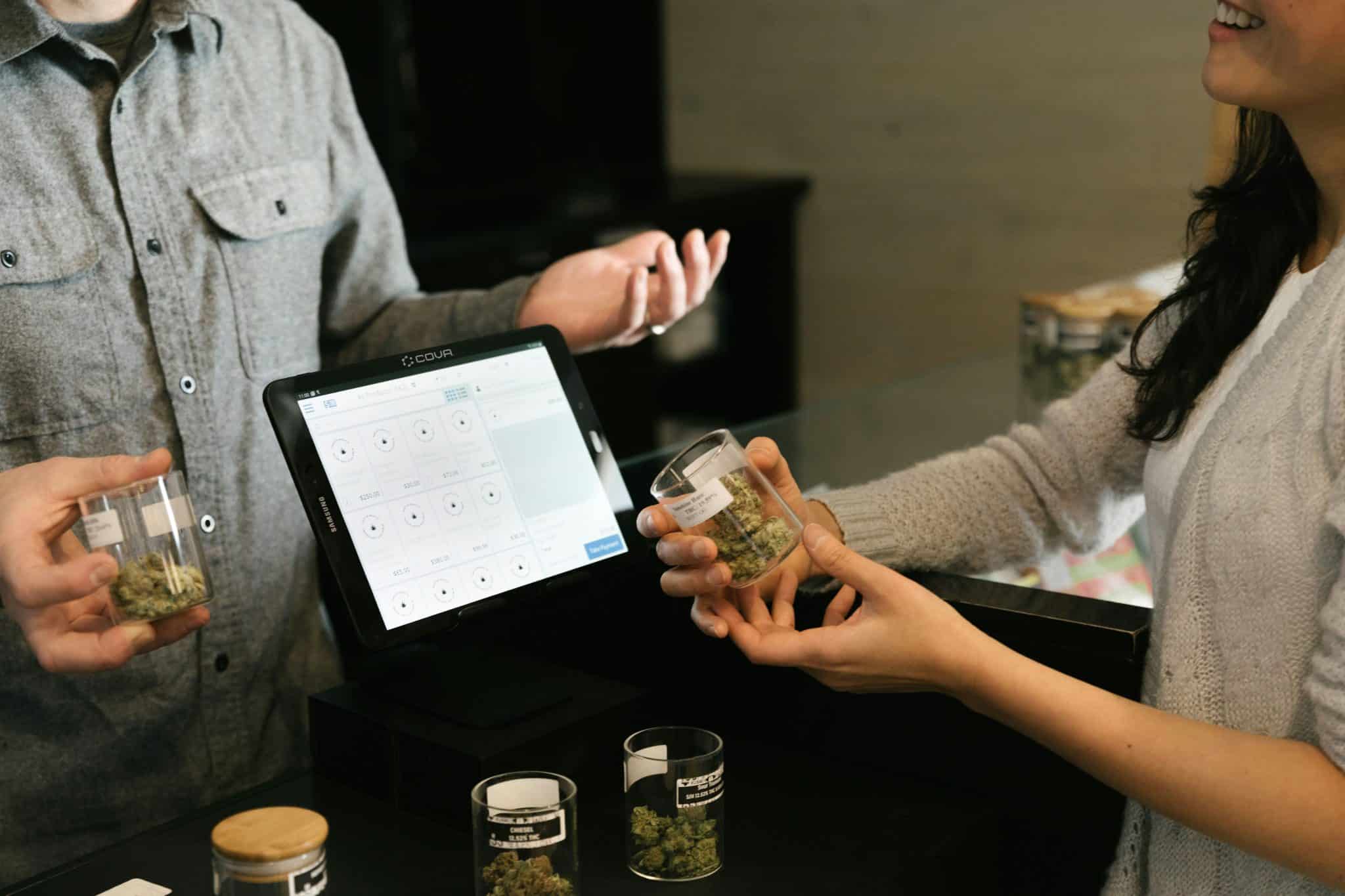
During the consultation, the practitioner will review your clinical history, assess the condition you are presenting, and determine whether medical cannabis is clinically appropriate given your current treatment plan. They will not issue a traditional prescription. Instead, they issue a certification that is entered into New York State’s registry system, which you then use to access a licensed dispensary. If you are wondering what a medical marijuana card looks like in practice, most patients present a digital or printed certification rather than a physical wallet card.
After your consultation, your certification connects to the NY State patient registry. You use that registry access, rather than a paper document, to purchase medical cannabis at a licensed dispensary. Understanding how long it takes to get a medical card from evaluation to dispensary access can help you plan accordingly.
No medical condition is categorically excluded from consideration under the current framework. The practitioner’s clinical judgment governs the outcome, which is why the benefits of a medical marijuana card extend to a broader patient population than many people realize.
Can You See a Registered Practitioner Online in New York?
New York allows registered practitioners to certify patients via telehealth, which means you do not need to travel to a physical clinic to get certified. The OCM’s practitioner registry includes telehealth providers, and telemedicine for medical cannabis has become a practical option for patients across the state, including those in areas with limited local access.
Veriheal connects New York patients with OCM-registered practitioners who specialize in medical cannabis evaluations. Consultations are conducted entirely online, and Veriheal verifies practitioner registration before listing any provider on its platform. For the complete step-by-step process from evaluation to certification, see getting your medical marijuana card online. If cost is a consideration, it is also worth understanding whether medical cannabis is covered by insurance before your appointment.
Ready to get started? Talk to a registered NY practitioner from your home.
Note: The content on this page is for informational purposes only and is not intended to be professional medical advice. Do not attempt to self-diagnose or prescribe treatment based on the information provided. Always consult a physician before making any decision on the treatment of a medical condition.
Note: Veriheal does not support illegally consuming therapeutic substances such as cannabis but acknowledges that it transpires because of the current illicit status, which we strive to change by advocating for research, legal access, and responsible consumption. Always consult a physician before attempting alternative therapies.
Frequently Asked Questions
How hard is it to get a medical marijuana card in NY?
Getting a medical marijuana card in NY has become more straightforward since New York moved to a practitioner discretion model under MRTA in 2021. If a registered practitioner determines that medical cannabis may benefit your condition, they can issue a certification. The main step is locating and booking with an OCM-registered practitioner, which you can do online through platforms like Veriheal.
How much does medical marijuana cost in NY?
Certification consultation fees vary by provider, typically ranging from $100 to $200 for an initial evaluation. Medical cannabis products are sold at licensed dispensaries and are not covered by health insurance. Certified patients pay reduced sales tax on purchases compared to recreational buyers.
What disqualifies you from getting a med card?
No medical condition is categorically excluded under New York’s current framework. A registered practitioner may decline to certify if they determine that medical cannabis is not clinically appropriate for a patient’s specific situation. There is no fixed disqualifying condition list under the post-2023 rules.
What qualifies for medical marijuana in NY?
New York does not maintain a fixed list of qualifying conditions since MRTA took effect in 2021, now governed by 9 NYCRR Part 113. This means the practitioner’s assessment of your individual clinical history and treatment needs is the deciding factor in whether a certification is issued. Speaking directly with a registered practitioner is the most accurate way to assess whether your condition qualifies.
Author, Share & Comments