Your medical cannabis journey simplified: find partnered dispensaries, explore pricing options, earn rewards, and get answers to FAQs, all in one spot.
Girl Scout Cookies (GSC) ranks among the most popular cannabis strains of the past decade—and for good reason.
GSC has earned multiple awards over the years, including several Cannabis Cup wins. Its legendary status in the cannabis world has inspired countless variations, making it one of the most sought-after strains on the market today.
In this guide, we cover everything you need to know about GSC—its origin, genetics, effects, medical uses, and tips for trying it for the first time.
Background & Genetics
Girl Scout Cookies (GSC) earns its legendary status thanks to its rich history, impressive genetics, and lasting impact on cannabis culture. GSC traces its roots back to San Francisco, California, where breeders from the Cookie brand collective created the strain more than a decade ago.
GSC originated in a San Francisco garage where cultivator Jai “Jigga” Chang and entrepreneur Berner collaborated under the Cookie brand umbrella. Jigga handled the breeding while Berner used his cultural influence to spread the strain’s popularity. In 2010, they officially launched the Cookies brand, propelling GSC into the spotlight and making it the flagship strain with now global recognition.
Today, the Cookie brand remains one of the most influential cannabis collectives, known for breeding standout dessert strains like Cherry Pie, Sunset Sherbet, and Gelato—each building on the legacy that GSC started.
While the exact genetic breakdown remains a closely guarded secret, most agree that GSC comes from a cross between OG Kush (specifically the Florida cut) and a unique F1 Durban—an in-house phenotype developed from Durban Poison. Some even speculate that Granddaddy Purple may play a minor genetic role, though the official word from the Cookie brand focuses on the OG Kush and F1 Durban pairing.
This cross gives GSC a balanced yet potent profile, delivering both a cerebral lift and full-body relaxation. Here’s a closer look at GSC’s parent strains, their history, and the effects they bring to GSC’s lineage:
OG Kush
OG Kush, often called Premium OG Kush, stands as a legendary indica-dominant hybrid that helps shape modern cannabis culture. Cultivators Matt “Bubba” Berger and Josh D. introduced it to Los Angeles in 1996, bringing it from Florida along with “The Bubba,” which later became the iconic Bubba Kush. OG Kush likely stems from a cross between Chemdawg, Lemon Thai, and a Hindu Kush plant from Amsterdam, forming the genetic backbone of many iconic West Coast strains, including GSC and Headband.
OG Kush delivers a high-THC (tetrahydrocannabinol) experience with a euphoric head high and deep body relaxation, making it ideal for stress relief later in the day. Its sharp, skunky aroma of pine, lemon, and fuel pairs with a hybrid effect that lifts the mind while calming the body.
Durban Poison
Durban Poison, a pure sativa, originates from Durban, a coastal city in South Africa. This strain delivers an uplifting, euphoric high that often sharpens focus and sparks creativity. Its bright, energizing effects make it a go-to for daytime use, and its higher THC and THCV content—typically around 21% THC and 1% THCV—helps sustain those mental and physical boosts.
Terpinolene, myrcene, and ocimene lead this strain’s terpene profile, shaping both its distinct aroma and its effects. These compounds may support stress relief and help ease symptoms of anxiety, depression, and PTSD (post-traumatic stress disorder).
GSC Phenotypes
Thanks to its parent strains and their terpenes, GSC usually presents a well-rounded 60% indica and 40% sativa profile, though this can vary depending on the phenotype or grower. Its balanced genetics attract both medical and recreational users seeking mental stimulation paired with full-body relaxation.
Over time, GSC has given rise to several other famous phenotypes and spin-offs. Thin Mint and Platinum GSC remain the most well-known GSC variants, each with subtle differences in flavor, color, and effects.
Thin Mint offers a more cooling, menthol-like experience, while Platinum GSC leans toward a heavier, couch-locking body high. Seed banks and breeders continue to offer GSC genetics, keeping this strain popular with home growers and commercial cultivators alike.
Appearance, Aroma & Flavor
Girl Scout Cookies stands out as much for its looks and aroma as it does for its effects. This strain draws in users with its striking visual appeal and dessert-inspired terpene profile.
Appearance
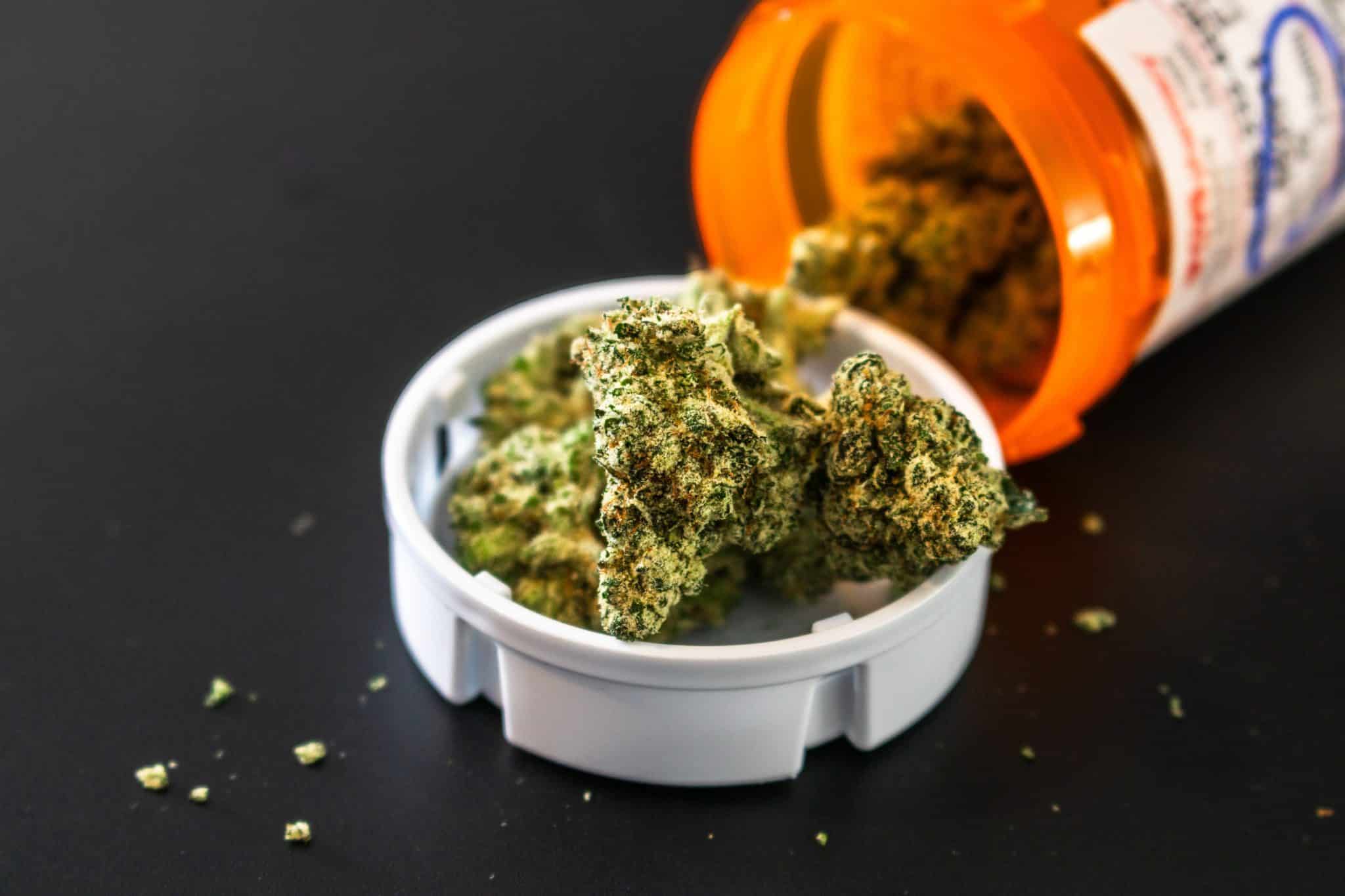
Girl Scout Cookies appear as dense, chunky buds, often shaded deep green with rich purple highlights and fiery orange pistils throughout. A thick coating of frosty trichomes gives the buds a sparkling, crystal-like finish—signs of their potent, THC-rich resin content.
Aroma & Taste
True to its name, GSC smells like a dessert. Its sweet, cookie-like aroma comes with hints of mint, citrus, and earth. Upon inhale, it delivers a creamy flavor with notes of vanilla, chocolate, and spice, followed by a light herbal aftertaste.
Potency, Cannabinoid, and Terpene Profile
GSC’s high-THC potency, terpene complexity, and minor cannabinoid profile including minimal or trace THCV, CBD, and CBG,work together to create its signature flavor, aroma, and powerful effects.
Potency
Girl Scout Cookies range from 18% to 28% THC, averaging around 19% to 20%, with some tests hitting 25%—a potency that appeals most to experienced users.
Cannabinoid Profile
THC dominates GSC’s cannabinoid profile, with cannabidiol (CBD) appearing only in trace amounts under 1%. Cannabigerol (CBG) can reach levels of about 1%. Tetrahydrocannabivarin (THCV) may also occur in some phenotypes with more substantial Durban Poison influence.
Terpene Profile
Terpenes give cannabis its aroma and flavor, and determine indica- or sativa-like effects. GSC’s terpene profile features beta-caryophyllene, limonene, myrcene, linalool, and occasionally humulene, shaping its signature scent and impact.
Beta‑caryophyllene: Brings spicy, peppery flavors and aromas. Beta-caryophyllene is actually a common dietary cannabinoid that supports anti-inflammatory and pain-relieving effects by selectively activating CB2 receptors and other targets.
Limonene: Delivers a bright, citrusy aroma and uplifts the mood. It also offers antidepressant effects, stress relief, and may reduce inflammation.
Myrcene: Offers earthy, herbal tones and promotes deep relaxation. It may enhance sedation, cannabinoid absorption, and pain relief effects, especially when paired with THC.
See If You Qualify For Medical Marijuana -Select Your State!
Select Your State
Alabama
Alaska
Arizona
Arkansas
California
Colorado
Connecticut
Delaware
Florida
Georgia
Hawaii
Idaho
Illinois
Indiana
Iowa
Kansas
Kentucky
Louisiana
Maine
Maryland
Massachusetts
Michigan
Minnesota
Mississippi
Missouri
Montana
Nebraska
Nevada
New Hampshire
New Jersey
New Mexico
New York
North Carolina
North Dakota
Ohio
Oklahoma
Oregon
Pennsylvania
Rhode Island
South Carolina
South Dakota
Tennessee
Texas
Utah
Vermont
Virginia
Washington
West Virginia
Wisconsin
Wyoming
Never miss a post
Get updates on cannabis culture, new research, and expert insights
Linalool: Contributes a soft floral or lavender scent. It supports calm, helps ease anxiety, and may reduce inflammation.
Typical Effects & User Experience
GSC delivers a well-rounded mix of mental and physical effects. Some of the most common effects and user experiences with GSC include:
Euphoria and Mood Boost
GSC lifts the mood and creates a strong sense of euphoria. Many users report feeling happy, positive, and mentally refreshed shortly after use.
Deep Relaxation
This strain delivers full-body calm that melts away tension. It helps users unwind after a long day and may ease symptoms of stress or anxiety.
Creative Spark and Focus
Some users say GSC sharpens focus and enhances creativity. It may support artistic tasks or mentally demanding projects.
Soothing Body High
A relaxing body high often sets in, helping to relieve physical discomfort and muscle tightness.
Appetite Stimulation
GSC commonly stimulates appetite, which is beneficial for appetite loss from medical conditions, aging, or nausea.
Medical Benefits & Common Therapeutic Uses
GSC’s cannabinoid and terpene profile offers a range of potential medical benefits from physical and mental health symptoms, such as:
Chronic Pain Relief
GSC offers potent analgesic properties that may help ease chronic pain conditions such as arthritis, migraines, and fibromyalgia. The high THC content also pairs with its terpene profile to deliver deep, long-lasting relief.
Neuropathic Pain
The combination of GSC’s high-THC and terpenes makes it particularly effective at managing neuropathic pain—a notoriously difficult type of pain to treat.
Stress, Anxiety, PTSD & Depression Relief
GSC’s balanced genetics create a calming effect without heavy sedation, helping manage stress, anxiety, and PTSD. Its euphoric, mood-enhancing qualities can provide temporary relief from depression. Many users report a brighter outlook and an overall emotional lift.
Low-Appetite Symptom Relief
GSC often stimulates appetite, making it especially helpful for those dealing with nausea or appetite loss from medical treatments such as chemotherapy. Anorexia of aging is also a common process that may be addressed with cannabinoids.
Insomnia Relief
Many patients use GSC to unwind and improve sleep quality. Its soothing body, high and calming effects help promote more profound, more restful sleep.
Potential Side Effects & Safety Considerations
Like many high-THC strains, GSC may produce some unwanted effects—especially when consumed in large amounts or by new cannabis users. Understanding what to expect can help promote a more positive experience.
Dry Mouth and Dry Eyes: GSC commonly causes dry mouth (cottonmouth) and dry, red eyes. Drinking water and using moisturizing eye drops help relieve these symptoms.
Pro tip: eye drops that use naphazoline are most effective for simultaneously masking red eyes from weed and addressing dryness; not all eye drops use the same active ingredients.
Anxiety or Paranoia: Some users—especially those sensitive to THC—may experience heightened anxiety or paranoia, particularly when consuming higher doses. Starting with a low dose helps reduce this risk, as does pairing with an equal or high dose of CBD – also useful in case of going overboard.
Drowsiness and Sedation: GSC’s relaxing properties may lead to drowsiness. Higher doses can increase sedation, which may be helpful for sleep but less ideal during the day. Older individuals should exercise appropriate caution to prevent falling.
Elevated Heart Rate: After consuming GSC, some individuals notice a temporary spike in heart rate and blood pressure, but with paradoxical long-term lowering of blood pressure. People with heart conditions or on blood pressure medications should speak to a healthcare provider before trying this strain.
Nausea or Dizziness: While GSC may relieve nausea in some users, others may experience the opposite—especially if they take too much or have a low THC tolerance.
Cognitive and Motor Impairment: As with most cannabis strains, GSC can impair short-term memory, focus, and coordination. Avoid driving, working, caretaking, or using machinery while under its influence.
Is GSC Right for You?
Girl Scout Cookies stands out for its bold flavor and powerful effects, but it’s not a one-size-fits-all strain. Its high THC levels and balanced hybrid profile make it a favorite for some—and a bit too much for others.
GSC may be a great fit if you:
Want a potent, dessert-flavored strain that delivers both a euphoric head high and deep physical relaxation
Prefer using cannabis in the evening or after a long day
Need help managing stress, pain, insomnia, or appetite loss
Enjoy mood-boosting effects with a calm, soothing finish
GSC may not be the best choice if you:
Have a low THC tolerance or are new to cannabis—unless starting with a minimal dose
Need a strain suitable for high-functioning daytime use
Sensitivities to cannabis strains that can cause anxiety or dry mouth
GSC packs a punch, so begin with a low amount and give it time to take effect before using more. When smoking GSC, the effects are typically felt within minutes, with the peak high usually occurring within 30 minutes.
Know your tolerance:
If you’re new to high-THC strains, monitor how your body responds and don’t overdo it.
Taking a significant dose of CBD at the same time, however, may ease the uncomfortable side effects of THC.
Pick a comfortable method:
Smoking, vaping, and edibles hit differently. Choose the option that matches your comfort level and experience.
Create a relaxing environment:
Try GSC in a calm, familiar setting—ideally alone or with people you trust in case the effects feel too intense.
Sarah Welk Baynum is a Columbus, Ohio based published fiction author and experienced freelance writer specializing in long-form content. When she isn't working on her next novel or writing for her clients, she enjoys spending time riding and competing in showjumping or eventing with her two horses, Tilly and Letty.
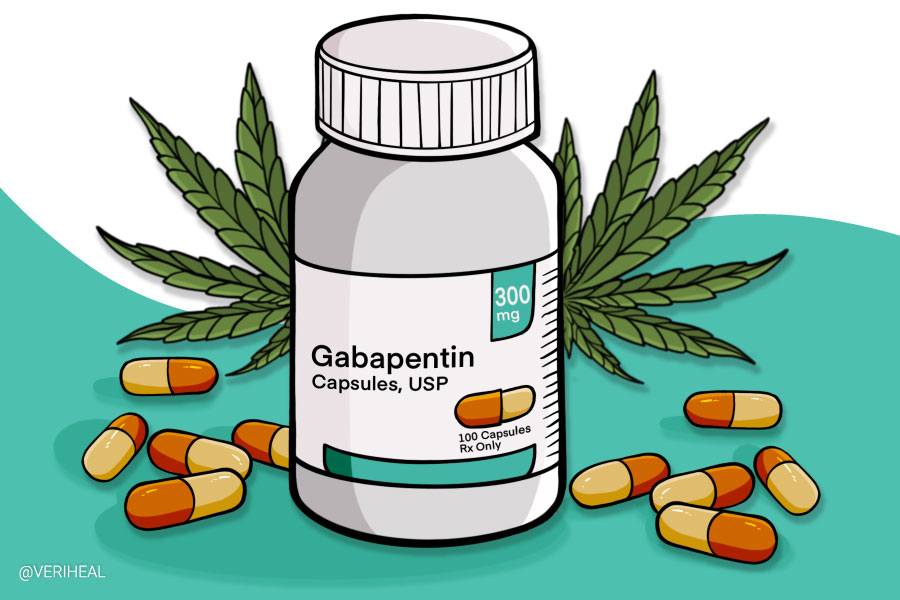
According to the New York Times, 64 million gabapentin prescriptions were dispensed in 2016, with numbers continuing to rise each year. Many patients now explore medical cannabis as an alternative after experiencing gabapentin’s concerning side effects, including FDA warnings about serious respiratory problems. Both treatments target similar conditions like nerve pain and seizures, but they…
An Oklahoma medical marijuana card provides legal protection under state law, but it can still affect employment, commercial driving, firearms, privacy, and federally regulated situations. This guide explains the main consequences to consider before applying, including workplace drug testing, CDL rules, insurance, housing, and registry privacy.
Getting a medical marijuana card in Oklahoma can be completed online, with no specific qualifying condition required for adult applicants. This guide covers eligibility, telehealth evaluations, required documents, OMMA application steps, fees, processing times, and what patients can do once approved.
A same-day telehealth appointment in Oklahoma can get you a physician recommendation quickly, but OMMA still needs to process your medical marijuana license application. This guide explains the timeline, required documents, costs, and when you can legally visit a dispensary while waiting for the physical card.
Medical marijuana has been legal in Oklahoma since 2018, with eligibility determined by physician judgment rather than a fixed list of qualifying conditions. This guide explains how the OMMA program works, patient rights and possession limits, recreational cannabis laws, federal restrictions, and how Oklahoma compares with neighboring states.
The statements made regarding cannabis products on this website have not been evaluated by the Food and Drug Administration (FDA). Cannabis is not an FDA-approved substance and is still illegal under federal law. The information provided on this website is intended for educational purposes only and is not intended to diagnose, treat, cure, or prevent any disease. It is not intended as medical advice and should not be considered as a substitute for advice from a healthcare professional. We strongly recommend that you consult with a physician or other qualified healthcare provider before using any cannabis products. The use of any information provided on this website is solely at your own risk.