Your medical cannabis journey simplified: find partnered dispensaries, explore pricing options, earn rewards, and get answers to FAQs, all in one spot.
As cannabis use continues to rise—especially among people of reproductive age—many are asking: Does cannabis interfere with birth control?
This article explores how different cannabis compounds and methods of birth control interact with the body, each other, and how cannabis may help manage common side effects of birth control.
Overview of Birth Control Methods
Although there are many birth control options, they essentially fall into two categories: reversible and permanent.
In this article, we’ll cover the two main forms of reversible birth control: hormonal and non-hormonal methods. There are several types of both. Meanwhile, permanent birth control is surgical.
Hormonal birth control methods use synthetic hormones—either estrogen, progestin, or both—to prevent pregnancy.
Here are some of the most common types of hormonal birth control and how they work:
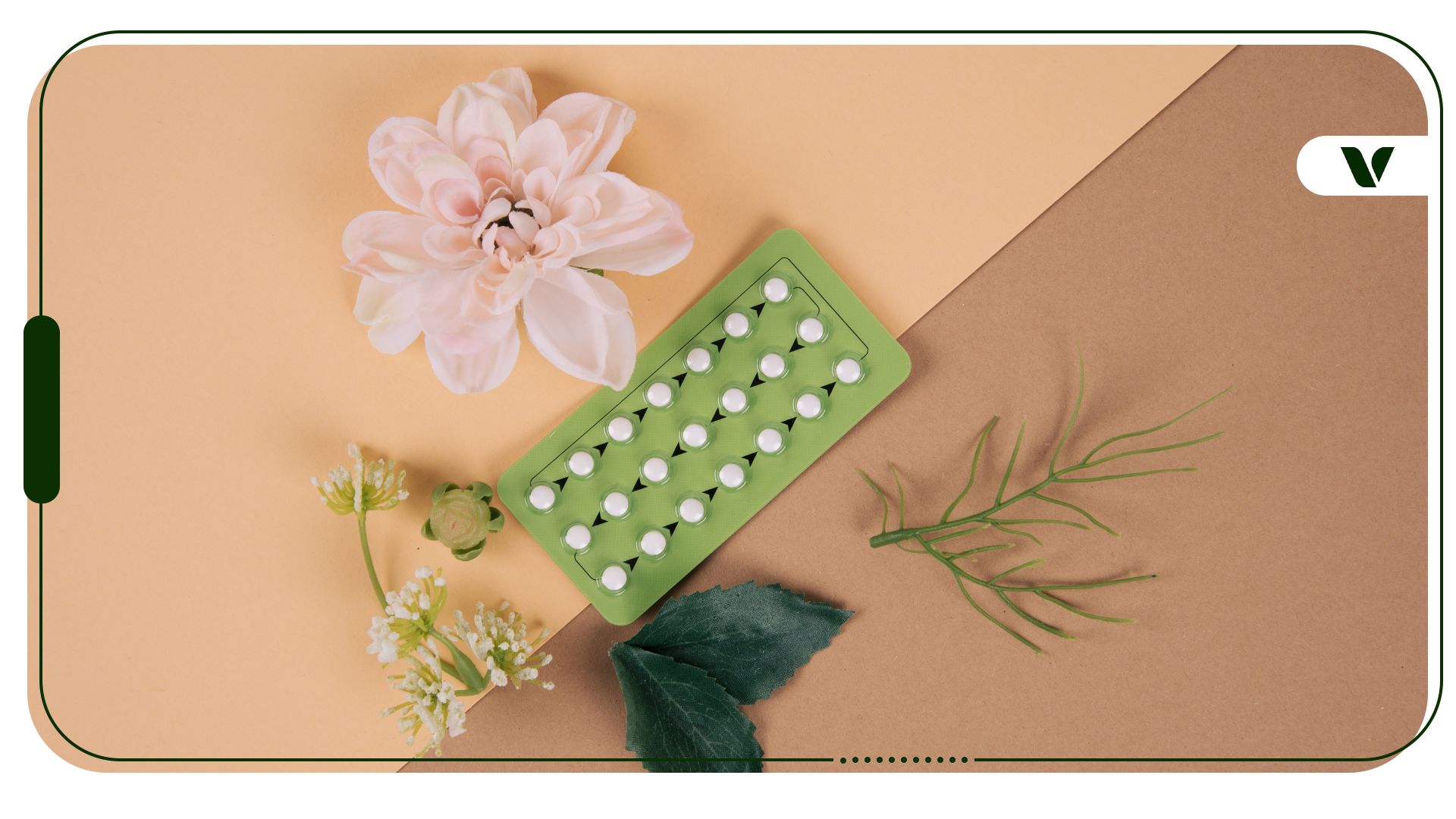
Combined Oral Contraceptive Pills (Estrogen + Progestin): Combined birth control pills use estrogen and progestin to prevent ovulation and block sperm, and are over 90% effective when taken daily.
Progestin-Only Pills (Mini-Pills): Mini-pills contain only progestin and prevent pregnancy by thickening cervical mucus and thinning the uterine lining. To remain effective, taking them at the same time each day is crucial.
Implants (i.e., Etonogestrel Implant): A healthcare provider inserts a small rod under the upper arm, which steadily releases progestin to prevent ovulation and block sperm from reaching the egg. The implant is over 99% effective for up to three years.
Intrauterine Systems (IUS) Releasing Progestin (i.e., Levonorgestrel IUD): A provider inserts a hormonal IUD into the uterus, where it releases a synthetic progestin (called levonorgestrel) to block sperm and prevent pregnancy for 3 to 8 years, depending on the brand.
Injection (i.e., Depo-Medroxyprogesterone Acetate or “Depo shot”): The birth control shot delivers progestin every 12 to 13 weeks, preventing ovulation and altering the uterine lining. It’s about 96% effective when used as directed.
Transdermal Patch and Vaginal Ring: The patch and ring release estrogen and progestin to prevent ovulation, working effectively when used correctly—weekly for the patch and monthly for the ring.
Non-hormonal Birth Control Methods
Non-hormonal birth control methods rely on mechanical barriers, intrauterine devices, timing, or surgical procedures to prevent pregnancy without using hormones.
Here are some of the most common types of non-hormonal birth control and how they work:
Copper IUD: A provider inserts the copper IUD into the uterus, where it releases copper to block sperm and prevent pregnancy for up to 10 years without using hormones.
Barrier Methods (e.g., Condoms, Diaphragm, Spermicide): People use barrier methods during sex to block sperm from reaching the egg and reduce the risk of STIs (sexually transmitted diseases).
Fertility Awareness Methods: Users track cycles, temperature, or cervical mucus to avoid sex during fertile days and prevent pregnancy without hormones.
Sterilization (Tubal Ligation): A provider cuts or blocks the fallopian tubes to prevent pregnancy without affecting hormones or interacting with cannabis permanently.
Lactational Amenorrhea (LAM):The time during breastfeeding can be used as a means of birth control only if all 3 criteria are met after delivering a baby: 1) not having any menstrual periods yet; 2) fully or nearly fully breastfeeding; and 3) less than 6 months from delivering a baby. If all 3 are not met, then another method should be used.
Consuming Cannabis While Taking Birth Control: What’s the Impact on Hormonal and Non-Hormonal Contraceptives?
Like any medication, cannabis carries some potential for side effects and interactions, but that doesn’t necessarily mean you need to avoid it.
Fortunately, current scientific research finds no direct evidence that cannabis lowers the effectiveness of birth control methods, including hormonal options like pills, patches, rings, and implants, or non-hormonal ones like the copper IUD. While research regarding cannabis and hormonal birth control together in-depth is limited, we do know more about how each one affects the body individually.
Hormonal contraceptives can slightly raise blood pressure and potentially increase the risk of cardiovascular issues like stroke or blood clots, especially for people who also smoke tobacco or are overweight or obese. Similarly, tetrahydrocannabinol (THC), the primary psychoactive compound in cannabis, can temporarily raise heart rate and thus blood pressure in the short-term (while “high”), but cannabinoids generally relax blood vessels in the long-term.
If you have a heart condition or other underlying concerns, combining hormonal birth control with certain cannabis products—especially smoked forms—could intensify those effects. In these cases, switching to a smoke-free option, such as edibles, tinctures, or vaporizing, may be a better choice. However, anyone with underlying heart conditions should talk to their healthcare provider before using cannabis alongside birth control, regardless of how they consume it.
Using cannabis while on birth control may intensify THC’s effects—both beneficial and adverse (e.g., sedation, anxiety, slower reaction time)—so assess how these two may interact on an individual basis.
A small 2022 study finds that female participants felt more substantial effects from lower doses of cannabis compared to males, reporting heightened sensations of being “high.” The authors suggest that certain sex-based differences exist in hormones, metabolism, and supportive preclinical findings that strongly suggest increased female sensitivity to THC overall. However, important limitations include that they did not include any sex hormone measurements, and they gave IV THC to ensure precise dose consistency, which is not generalizable to typical use.
However, by choosing your cannabis products wisely and discussing any health concerns with your provider, you can likely use cannabis responsibly while on birth control. Always consult a healthcare professional to weigh potential risks based on your personal medical history.
Common Physical Side Effects of Birth Control—And How Cannabis May Help Relieve Them
Hormonal birth control can cause a range of physical and emotional side effects. In some cases, cannabis may provide natural relief thanks to its therapeutic and regulatory impact on the body’s systems.
Certain terpenes—such as myrcene, limonene, and β-caryophyllene—actively contribute to cannabis’s therapeutic effects, shaping the overall experience by working together with cannabinoids in what’s known as the “entourage effect.”
Physical Side Effects of Birth Control
Here are a few common side effects and how cannabis may help relieve them:
See If You Qualify For Medical Marijuana -Select Your State!
Select Your State
Alabama
Alaska
Arizona
Arkansas
California
Colorado
Connecticut
Delaware
Florida
Georgia
Hawaii
Idaho
Illinois
Indiana
Iowa
Kansas
Kentucky
Louisiana
Maine
Maryland
Massachusetts
Michigan
Minnesota
Mississippi
Missouri
Montana
Nebraska
Nevada
New Hampshire
New Jersey
New Mexico
New York
North Carolina
North Dakota
Ohio
Oklahoma
Oregon
Pennsylvania
Rhode Island
South Carolina
South Dakota
Tennessee
Texas
Utah
Vermont
Virginia
Washington
West Virginia
Wisconsin
Wyoming
Never miss a post
Get updates on cannabis culture, new research, and expert insights
Nausea
Hormonal birth control, especially oral contraceptives, often causes nausea as an early side effect. Several cannabinoids, including THC and cannabidiol (CBD), can help relieve this symptom thanks to their antiemetic properties, particularly in certain strains.
Hormonal changes, especially during the first few months of birth control, often lead to swollen or tender breasts.
Many cannabinoids like CBD help reduce inflammation and pain sensitivity, and many users apply CBD topicals for more targeted relief, often in combination with systemic routes like tinctures. THC may also provide relief from pain and inflammation when needed. Several terpenes may also help reduce pain, inflammation, and muscle soreness.
Headaches or Migraines
Changes in estrogen levels from birth control can trigger headaches or intensify migraines. Cannabis is used over millennia to alleviate migraines and nausea.
Hormonal changes may contribute to fluid retention and fluctuations in appetite.
Cannabis doesn’t directly reverse weight gain or bloating, but CBD may regulate gut motility and inflammation, which can ease digestive discomfort. Some cannabis users also report reduced bloating and better digestion after cannabis use.
However, certain strains and cannabinoids—like tetrahydrocannabivarin (THCV)—may aid in weight loss efforts. Unlike THC, which commonly increases appetite, the cannabinoid THCV appears to suppress it, making it potentially helpful for consumers aiming to manage or reduce their weight
Acne or Skin Changes
Birth control can worsen acne, depending on the hormone formulation and how your body responds.
Meanwhile, cannabis—especially CBD—shows promise in managing acne by reducing inflammation, lowering excess oil production in sebocytes, promoting the removal of unhealthy skin cells, and fighting bacteria. Topical CBD may also be effective for hormonal breakouts.
Breakthrough Bleeding or Spotting
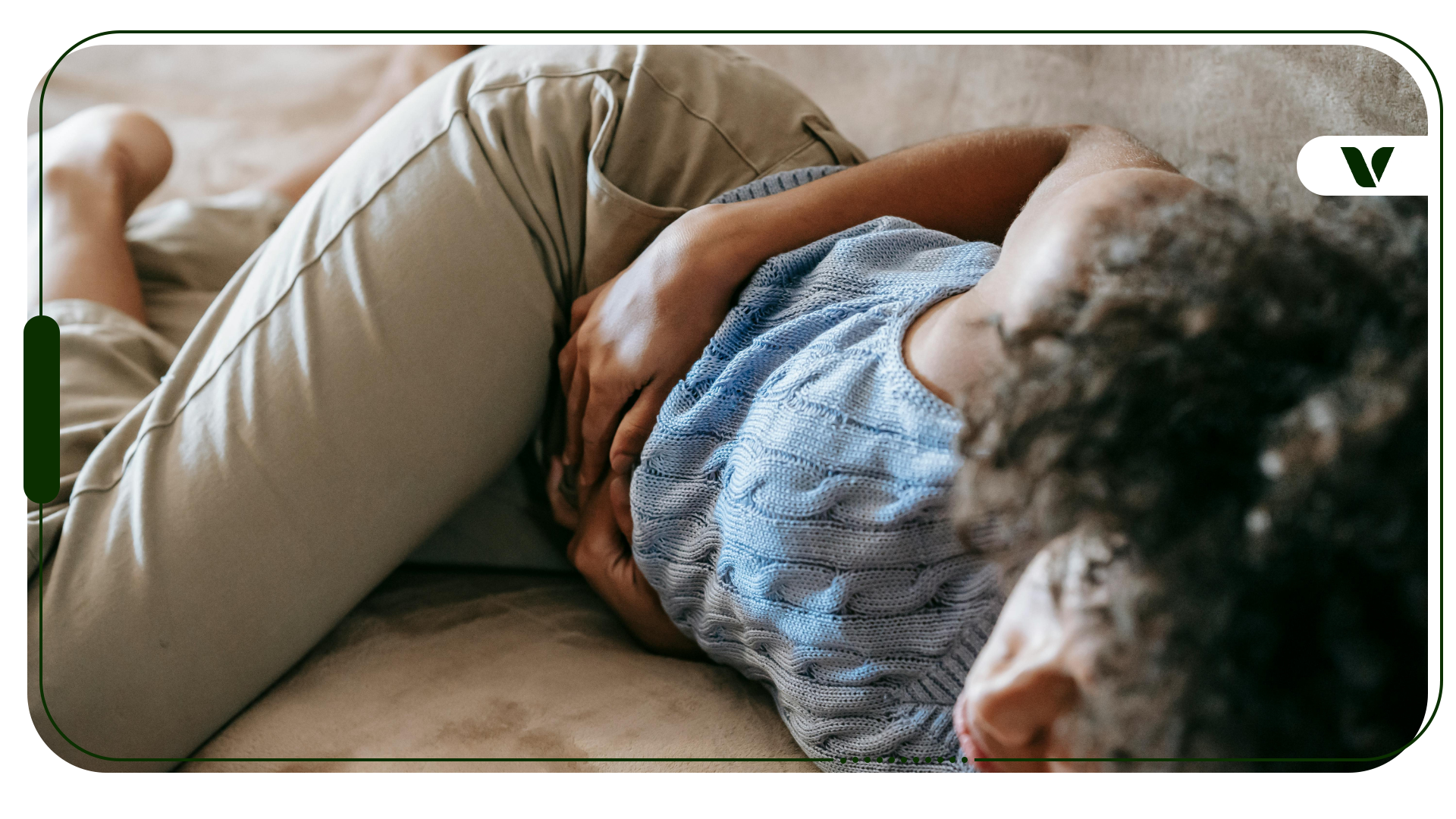
Spotting often happens as the body adjusts to synthetic hormones. While cannabis doesn’t stop spotting itself, it may ease cramping and discomfort.
Cannabinoids like CBD can relax and help heal muscles, which may help soothe the uterus and ease stress during hormonal changes. Cannabis interacts with the body’s endocannabinoid system and beyond—especially in the reproductive tract—to reduce inflammation, relax uterine muscles, and relieve cramps. Certain strains or topical CBD products can also target pain and muscle spasms for more localized relief.
Mental & Emotional Side Effects of Birth Control
Hormonal fluctuations from birth control can impact neurotransmitters like serotonin and dopamine, sometimes leading to mood-related side effects. For some users, cannabis—particularly when used thoughtfully and in moderation—can offer natural mood support.
Here’s how it may help with common emotional and mental symptoms:
Mood Swings
Shifting hormone levels—especially estrogen and progesterone—can disrupt neurotransmitters like serotonin and dopamine, often leading to mood swings, irritability, or sadness, which are common emotional side effects of hormonal birth control.
Cannabinoids, such as THC and CBD, interact with the brain’s various receptors, including serotonin and dopamine, helping to regulate mood and emotional responses. CBD, CBG, and balanced 1:1 THC:CBD strains may especially offer relief by promoting emotional stability, and microdosing THC may help support calm for those sensitive to THC.
Anxiety
Hormonal birth control may heighten anxiety in some individuals by suppressing the body’s stress response or altering gamma-aminobutyric acid (GABA) signaling, the nervous system’s way to calm itself down.
Cannabis can help ease anxiety, but its effects depend heavily on the strain, dosage, and individual response. While many people find that certain strains reduce stress, boost mood, and promote relaxation, high-THC varieties—especially in large doses—can sometimes trigger or worsen anxiety. Choosing the correct strain and dosage is key to avoiding unwanted effects.
CBD, known for its well-documented antianxiety properties, supports relaxation by influencing neural pathways tied to fear and stress.
Cannabigerol (CBG) is also gaining attention for anxiety relief. In a 2023 survey, over half of CBG users took it for anxiety, with more than 78% reporting it worked better than traditional medications. It may work better at even lower doses than CBD, too.
Indica strains are typically ideal for anxiety because they generally promote calm, while some sativa strains may heighten stimulation and anxiety in sensitive users.
Depression or Low Mood
Hormonal contraceptives can trigger depressive symptoms in some people, possibly by lowering serotonin levels or dulling emotional responses.
However, anyone experiencing consistent or severe depression should speak with a medical professional.
Irritability
Hormonal changes can lower serotonin and raise cortisol levels, which often leads to irritability by disrupting emotional regulation and the stress response.
Cannabis may help calm the nervous system and reduce these reactive stress responses. Low-THC, high CBD, or balanced hybrid strains with soothing terpenes, such as myrcene or linalool, may help ease irritability without causing heavy sedation.
Brain Fog or Trouble Concentrating
Some users report difficulty focusing or feeling mentally sluggish while on hormonal birth control, likely due to changes in estrogen levels and their effects on cognitive processing.
Strain effects depend on their cannabinoid and terpene profiles. Sativa-dominant strains, which often feature energizing terpenes like pinene, limonene, and terpinolene, promote alertness and mental clarity.
Low- to mid-THC strains balanced with CBD or containing uplifting cannabinoids like CBG and THCV can enhance focus without causing a foggy “comedown.” CBD, CBG, and low-THC strains may also gently stimulate the endocannabinoid system, thereby supporting neuroplasticity and improving cognitive function.
Key Takeaways
Research shows that cannabis doesn’t reduce the effectiveness of birth control, but biological female sex and estrogen-based methods may increase sensitivity to THC.
Cannabis consumption may even help ease some of the side effects of birth control, like cramps, nausea, and mood swings.
By selecting the right product and consumption method, you can minimize the risk of adverse interactions and manage these side effects more effectively. Always consult your healthcare provider before using cannabis alongside birth control.
Sarah Welk Baynum is a Columbus, Ohio based published fiction author and experienced freelance writer specializing in long-form content. When she isn't working on her next novel or writing for her clients, she enjoys spending time riding and competing in showjumping or eventing with her two horses, Tilly and Letty.
According to 2020 data from the Centers for Disease Control (CDC), 14.5% of adults have trouble falling asleep most days, while 17.8% have trouble staying asleep. Other reports estimate that 50 to 70 million Americans have sleep disorders, and roughly 84 million don’t regularly get enough sleep to stay healthy. This widespread lack of sleep…
In a safe and perfect world, everyone who needs cannabis could go to a dispensary and buy safety-tested products from licensed producers. Unfortunately, we are far from living in a perfect world. Despite most states recognizing that cannabis has therapeutic potential, it’s not an easily obtainable substance for many. Many people in states without legal…
Bongs are more than just glass pieces: they’re precision tools that shape every cannabis hit. Unlike other marijuana smoking methods like joints or pipes, bongs use water to cool and filter smoke. This process transforms hot, harsh inhales into smoother, tastier, more customizable draws. However, a bong’s size, along with its other features, plays a…
For many, dating today feels more challenging than ever. The competition is fierce, with many having to fake it to match the expectations and preferences of a limited pool of potential partners. The question that you need answered today is whether your cannabis use might be sabotaging your chances at romance. Sadly, it just might….
More people are talking about mast cell activation syndrome (MCAS) now than ever. The condition, marked by unexplained bouts of symptoms like swelling, diarrhea, vomiting, flushing, and itching, scientists only gave the condition a modernized classification and diagnostic criteria when they gathered at a special conference in 2010. Despite increased conversation around the condition through…
The statements made regarding cannabis products on this website have not been evaluated by the Food and Drug Administration (FDA). Cannabis is not an FDA-approved substance and is still illegal under federal law. The information provided on this website is intended for educational purposes only and is not intended to diagnose, treat, cure, or prevent any disease. It is not intended as medical advice and should not be considered as a substitute for advice from a healthcare professional. We strongly recommend that you consult with a physician or other qualified healthcare provider before using any cannabis products. The use of any information provided on this website is solely at your own risk.