Cannabis offers a natural approach to managing period pain, with specific strains providing targeted relief for cramps, inflammation, and mood symptoms. The key is matching the right cannabinoid and terpene profiles to your specific symptoms and tolerance level.
Finding effective menstrual pain relief often means navigating limited options with unwanted side effects. Traditional over-the-counter medications can cause stomach irritation, while prescription options may carry dependency risks or hormonal complications.
Cannabis strains rich in CBD, myrcene, and linalool provide anti-inflammatory and muscle-relaxing properties that address the root causes of menstrual discomfort. This guide covers the most effective strains, dosing strategies, and consumption methods for period pain management.
How Cannabis Relieves Menstrual Pain
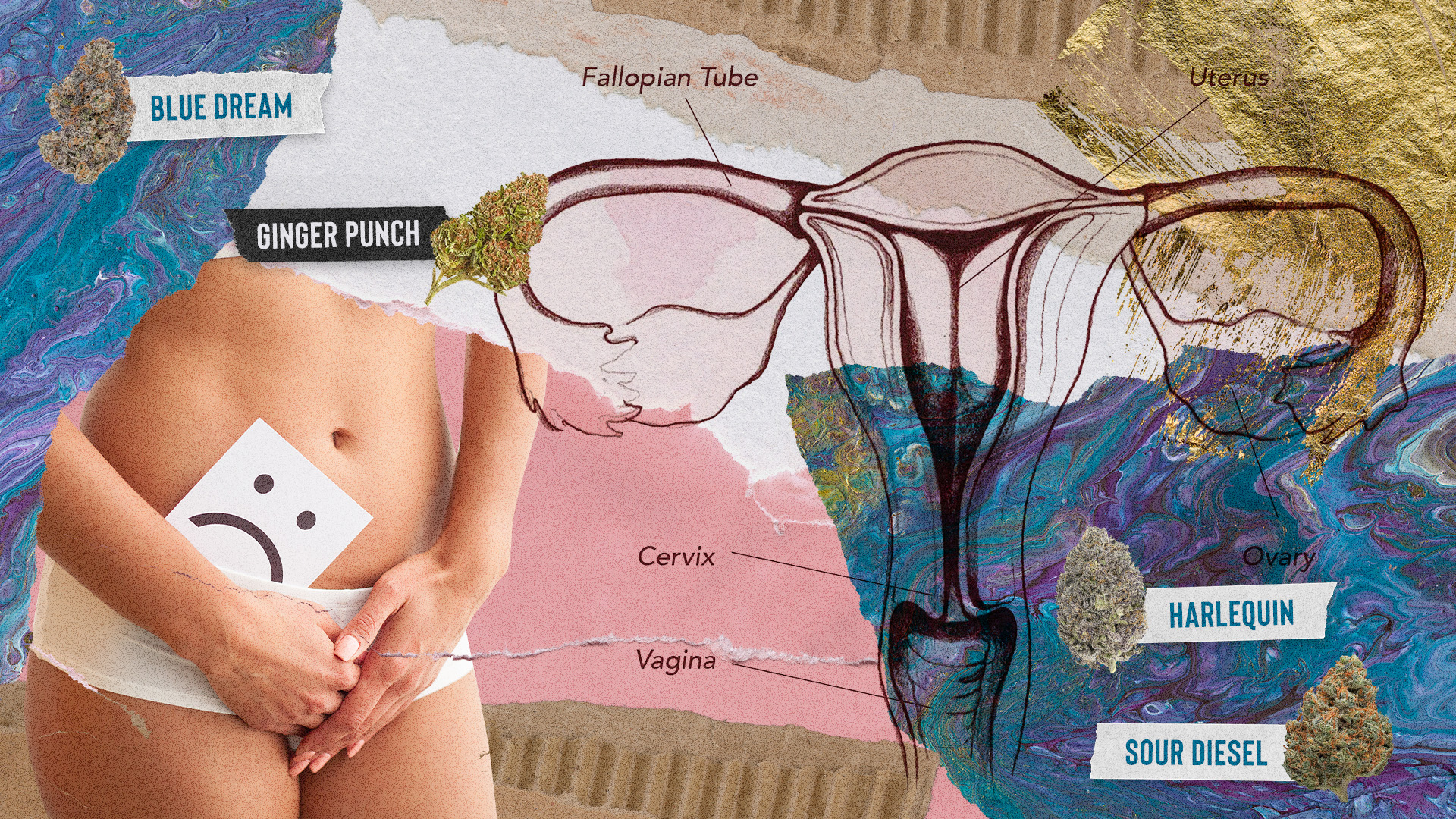
Menstrual pain stems from prostaglandins, hormone-like compounds that trigger uterine contractions and inflammation. Cannabis works through the endocannabinoid system to interrupt these pain signals at multiple points.
THC and CBD interact with CB1 and CB2 receptors throughout your body, which regulate pain perception and inflammatory response. CB1 receptors in your brain and nervous system help modulate pain signals, while CB2 receptors in immune cells reduce inflammation that contributes to cramping.
Research suggesting cannabinoids reduce prostaglandin production shows that cannabinoids can decrease the production of prostaglandins themselves, addressing the source rather than just masking symptoms. This dual action makes cannabis particularly effective for menstrual pain compared to single-mechanism treatments.
The endocannabinoid system also influences mood regulation through serotonin pathways. This explains why many people experience relief from PMS-related anxiety and irritability alongside physical pain reduction.
Key mechanisms cannabis uses for menstrual pain relief:
- Pain signal interruption: Cannabinoids bind to CB1 receptors in pain pathways, reducing the intensity of cramp signals reaching your brain
- Anti-inflammatory response: CB2 receptor activation decreases inflammatory compounds that worsen uterine contractions
- Muscle relaxation: Certain terpenes work synergistically with cannabinoids to ease uterine muscle tension
- Mood stabilization: Cannabis influences neurotransmitter balance, reducing PMS-related mood swings and anxiety
Terpenes for Menstrual Pain Relief
Terpenes work alongside cannabinoids to enhance pain relief through what researchers call the entourage effect. Understanding which terpenes target specific menstrual symptoms helps you choose strains that match your needs.
Myrcene, the most common cannabis terpene, provides sedating muscle relaxation that directly counters uterine contractions. Strains high in myrcene like Granddaddy Purple and Northern Lights offer powerful cramping relief, especially for severe pain that interferes with sleep.
Linalool, found in lavender, delivers anxiolytic properties that address both physical tension and PMS-related anxiety. This terpene appears in strains like Lavender and Amnesia Haze, making them ideal for daytime use when you need pain relief without heavy sedation.
Beta-caryophyllene is unique among terpenes because it directly activates CB2 receptors, providing anti-inflammatory effects without psychoactivity. Strains rich in caryophyllene include Black Pepper and certain phenotypes of Girl Scout Cookies.
Limonene is the citrus terpene that elevates mood while reducing stress hormones that can worsen menstrual symptoms. Sour Diesel and Super Lemon Haze contain significant limonene levels, offering pain relief with mood enhancement.
Research on terpene-cannabinoid interactions in pain management indicates these compounds work synergistically, meaning strains with balanced terpene profiles often outperform isolated cannabinoids for complex symptoms like menstrual pain.
Top Cannabis Strains for Period Pain
The most effective strains for menstrual pain combine specific cannabinoid ratios with complementary terpene profiles. CBD-dominant strains provide anti-inflammatory relief without intoxication, while THC-dominant options offer stronger pain relief with mood benefits.
ACDC
This high-CBD strain delivers a 20:1 CBD to THC ratio, making it ideal for daytime pain management without impairment. ACDC contains significant myrcene and pinene levels that enhance its anti-inflammatory properties.
The strain provides steady relief for 3-4 hours when vaporized, making it suitable for workplace use during your cycle. Many users report reduced cramping intensity within 15 minutes of consumption. ACDC works particularly well for mild to moderate menstrual pain and PMS-related anxiety.
- Primary effects: Anti-inflammatory, muscle relaxation, anxiety reduction
- THC/CBD ratio: 1-5% THC, 16-24% CBD as documented in cannabinoid research
- Dominant terpenes: Myrcene, pinene, caryophyllene
- Best for: Daytime use, workplace-appropriate relief
Harlequin
This balanced hybrid offers a 5:2 CBD to THC ratio that provides pain relief with minimal psychoactive effects. The strain’s high pinene content delivers alertness alongside its therapeutic benefits.
Harlequin’s moderate THC levels enhance pain relief compared to pure CBD strains while maintaining functional clarity. The strain typically provides relief for 2-3 hours and works well for breakthrough pain during particularly difficult cycles.
- Primary effects: Pain relief, mood elevation, mental clarity
- THC/CBD ratio: 7-15% THC, 10-16% CBD based on cannabinoid research findings
- Dominant terpenes: Pinene, myrcene, caryophyllene
- Best for: Moderate pain, maintaining daily activities
Sour Diesel
This sativa-dominant strain provides energizing pain relief through high limonene content and moderate THC levels. Sour Diesel works particularly well for PMS-related mood symptoms alongside physical discomfort.
The strain’s uplifting effects counter the fatigue and irritability that often accompany menstrual pain. Users report improved focus and mood within 30 minutes of consumption, making it suitable for daytime use when you need to remain productive.
- Primary effects: Pain relief, mood elevation, energy boost
- THC/CBD ratio: 18-26% THC, less than 1% CBD according to cannabinoid research
- Dominant terpenes: Limonene, caryophyllene, myrcene
- Best for: Depression, fatigue, mood-related PMS symptoms
Granddaddy Purple
This indica strain delivers powerful sedating effects through high myrcene levels and potent THC content. The strain provides intense pain relief for severe menstrual cramps, particularly when sleep disruption is a concern.
Granddaddy Purple’s muscle-relaxing properties target uterine contractions directly while its sedating effects promote restorative sleep during painful cycles. The strain typically provides 4-6 hours of relief, making it ideal for nighttime use.
- Primary effects: Heavy pain relief, muscle relaxation, sedation
- THC/CBD ratio: 20-27% THC, less than 1% CBD according to cannabis potency research
- Dominant terpenes: Myrcene, caryophyllene, pinene
- Best for: Severe pain, sleep difficulties, nighttime relief
Blue Dream
This balanced hybrid combines pain relief with mood enhancement through its unique terpene profile. Blue Dream’s moderate THC levels provide therapeutic effects without overwhelming sedation.
The strain offers versatile relief that works for both physical and emotional menstrual symptoms. Its balanced effects make it suitable for various times of day, though most users prefer it for afternoon and evening use when unwinding is appropriate.
- Primary effects: Balanced pain relief, mood improvement, relaxation
- THC/CBD ratio: 17-24% THC, less than 1% CBD
- Dominant terpenes: Myrcene, pinene, caryophyllene
- Best for: Balanced relief, mood support, evening use
Dosing Cannabis for Menstrual Pain
Effective menstrual pain management requires matching consumption method and dosage to your pain levels and daily schedule. Starting low and adjusting based on symptom severity prevents overconsumption while ensuring adequate relief.
Microdosing approach: Begin with 2.5mg THC or 5-10mg CBD and increase gradually until you achieve symptom relief. This method allows you to find your minimum effective dose while avoiding unwanted psychoactive effects during work or family responsibilities.
Timing considerations: Start cannabis treatment 24-48 hours before your expected period begins. Your menstrual cycle impacts your body’s response to cannabinoids, so beginning treatment early provides better prevention than reactive dosing.
Understanding how combining ibuprofen with cannabis affects your body helps you layer treatments safely when cannabis alone is not sufficient for severe symptoms.
| Consumption Method |
Onset Time |
Duration |
Starting Dose |
Best For |
| Vaporized Flower |
2-5 minutes |
2-4 hours |
1-2 small puffs |
Fast relief, dosage control |
| Tinctures |
15-45 minutes |
4-6 hours |
2.5mg THC or 10mg CBD |
Consistent dosing, workplace use |
| Edibles |
30-90 minutes |
6-8 hours |
2.5-5mg THC |
Long-lasting relief, sleep support |
| Topicals |
10-20 minutes |
2-3 hours |
Apply as needed |
Localized pain, no psychoactivity |
Frequency recommendations: For acute pain, dose every 4-6 hours as needed. For preventive management, maintain consistent low-dose intake throughout your luteal phase when PMS symptoms typically develop.
Tolerance considerations: Cannabis tolerance develops quickly with daily use. Rotate between strains with different cannabinoid profiles or take 2-3 day breaks monthly to maintain effectiveness without increasing dosage requirements.
Alternative Cannabis Products for Menstrual Relief
Beyond traditional flower consumption, specialized cannabis products target menstrual pain through localized application and extended-release formulations. These alternatives often provide relief without psychoactive effects, making them suitable for professional environments.
CBD suppositories deliver cannabinoids directly to pelvic tissues through vaginal or rectal insertion. This method provides high bioavailability for localized pain while avoiding first-pass liver metabolism that reduces effectiveness with oral products. Suppositories typically contain 25-100mg CBD and provide relief for 6-8 hours. The direct application means faster onset compared to edibles, usually within 15-30 minutes. Many users report significant cramping reduction with minimal to no psychoactive effects.
Topical balms and oils offer targeted relief for lower back pain and abdominal cramping without systemic effects. Products containing both THC and CBD often prove more effective than CBD-only formulations due to the entourage effect. Application involves massaging the product into affected areas every 3-4 hours as needed. Quality topicals provide localized anti-inflammatory effects and muscle relaxation without affecting cognitive function or drug testing concerns.
Cannabis-infused bath products combine warm water’s muscle-relaxing properties with cannabinoid absorption through the skin. Bath bombs or salts typically contain 25-100mg CBD and create a full-body relaxation experience. The warm water opens pores and increases cannabinoid absorption while providing immediate muscle relaxation. This method works particularly well for evening relief when you can dedicate 20-30 minutes to symptom management.
Transdermal patches provide steady cannabinoid release over 8-12 hours through skin absorption. These products bypass digestive metabolism, delivering consistent relief without redosing requirements. Patches work well for overnight relief or during long workdays when regular redosing is not practical. The steady delivery prevents the peaks and valleys associated with smoking or vaping, maintaining consistent symptom control.
Cannabis tampons, while not widely available in legal markets, represent an emerging category that delivers cannabinoids directly to the uterus. These products typically combine organic cotton with CBD or THC formulations designed for menstrual insertion. The concept targets the source of menstrual pain directly, though research on effectiveness and safety remains limited. Most current products focus on CBD formulations to avoid psychoactive effects during wear.
Learn more about cannabis for menstrual health by consulting with a qualified medical professional about dosing strategies and product selection specific to your symptoms.
Note: The content on this page is for informational purposes only and is not intended to be professional medical advice. Do not attempt to self-diagnose or prescribe treatment based on the information provided. Always consult a physician before making any decision on the treatment of a medical condition.
Note: Veriheal does not support illegally consuming therapeutic substances such as cannabis but acknowledges that it transpires because of the current illicit status, which we strive to change by advocating for research, legal access, and responsible consumption. Always consult a physician before attempting alternative therapies.
Frequently Asked Questions
What is the best strain for severe menstrual cramps?
Granddaddy Purple provides the strongest pain relief for severe menstrual cramps through its high myrcene content and potent THC levels. The strain’s muscle-relaxing properties directly target uterine contractions while providing sedating effects that promote sleep during painful cycles.
How much cannabis should I use for period pain?
Start with 2.5mg THC or 10mg CBD and increase gradually until symptoms improve. Most people find effective relief with 5-15mg THC or 20-40mg CBD, depending on pain severity and tolerance levels.
Can I use cannabis for PMS symptoms before my period starts?
Yes, starting cannabis treatment 24-48 hours before your expected period provides better symptom prevention than waiting for pain to begin. Low-dose, consistent intake during your luteal phase can reduce both physical and emotional PMS symptoms.
Do CBD-dominant strains work for menstrual pain?
CBD-dominant strains like ACDC and Harlequin effectively reduce menstrual pain through anti-inflammatory action without psychoactive effects. These strains work particularly well for mild to moderate cramping and workplace-appropriate relief.
What’s the difference between cannabis topicals and smoking for period pain?
Topicals provide localized pain relief without psychoactive effects, making them suitable for professional environments. Smoking or vaping offers faster systemic relief but affects cognitive function, so choose based on your daily schedule and privacy needs.
How long does cannabis take to work for menstrual cramps?
Vaporized cannabis provides relief within 2-5 minutes, tinctures work in 15-45 minutes, and edibles take 30-90 minutes to become effective. Topical applications typically provide localized relief within 10-20 minutes of application.
Author, Share & Comments