Your medical cannabis journey simplified: find partnered dispensaries, explore pricing options, earn rewards, and get answers to FAQs, all in one spot.
March 2, 2020 12:43 pm ETEstimated Read Time: 3 Minutes
“Why use up the forests, which were centuries in the making, and the mines which required ages to lay down, if we can get the equivalent of forest and mineral products in the annual growth of the hemp fields?” – Henry Ford
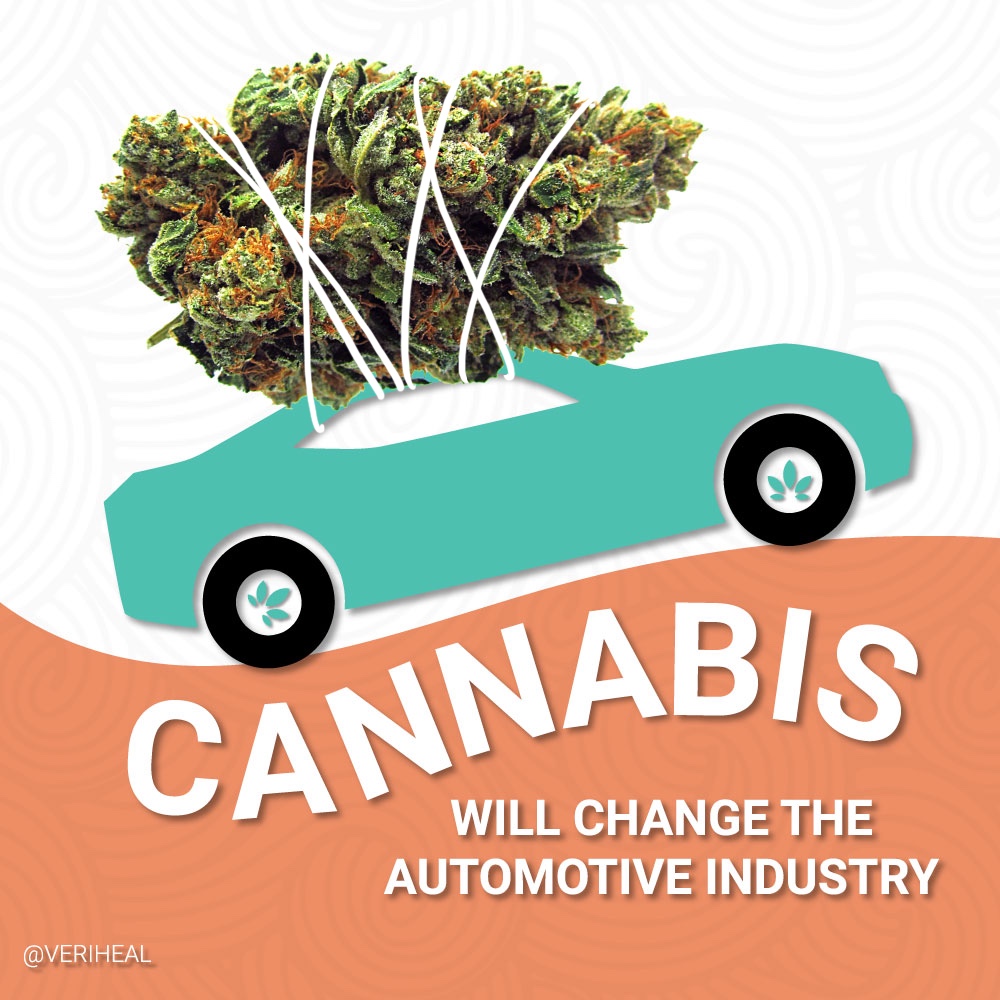
Cannabis is not only changing things in the textile, construction, medical and food industries, it is also changing things in the fuel industry. This could be revolutionary considering the availability of fossil fuel, the cost of conventional fuel as well as the effects of conventional fuel on the environment. Henry Ford knew what was up before the rest of us. In 1941 he built a groundbreaking car made of hemp plastic and it ran on hemp fuel.
It took Mr. Ford twelve years of research before he built the car. The war was around 300 pounds lighter than its comparable cars made of steel and it was also ten times more impact resistant than those comparable cars too. The car built by Mr. Ford was lighter, safer and less expensive. Rudolf Diesel, the inventor of the diesel engine, designed the car to run on vegetable and seed oils such as hemp. They even stated that “there’s enough alcohol in one year’s yield of an acre of potatoes to drive the machinery necessary to cultivate the fields for one hundred years.” The use of hemp material to build and fuel the car also improved its fuel efficiency by 25%.
Although Mr. Ford’s car was not made of hemp entirely, it was made with a combination of several plant ingredients, making the Model T car the first bio-plastic car. After the illegalization of hemp in the United States of America in 1937, it became impossible for Mr. Ford to mass-produce these cars as it would have required a steady supply of cannabis.
Now, more than 70 years later, we are turning to hemp’s invaluable contribution to the automotive industry.
Why Use Cannabis to Build Cars?
Hemp is lighter than steel and fiberglass.
It can resist dents and is not as brittle as carbon fiber.
Easy to access mass amounts of the hemp required.
Economically friendly
Environmentally friendly
Assists in the reduction of carbon emission during construction/manufacturing.
Why Use Cannabis as a Source of Fuel?
It’s a sustainable energy source.
It has high efficiency of conversion… around 97% of hemp oil was converted to biodiesel and it passed all the lab tests.
Again, it’s easy to access mass amounts of hemp.
It’s environmentally friendly
Eliminates the need for fossil fuels.
It can cost us less to run a car.
It’s carbon negative because hemp sequesters carbon.
The revelation that this brings to the industry is already influencing modern-day car brands. Porsche, Mazda, BMW, Mercedes, and Audi are all making moves informed by the invaluable contribution of hemp in their industry. Porsche built a new car, the 718 Cayman FT4 Clubsport, made from hemp and organic materials. Mazda built a slick sports car from hemp, which also runs on biofuel, which does not contribute to the emission of carbon. Mercedes, BMW, and Audi have been influenced by cannabis for cars but instead of making use of hemp, they’ve made use of plant fibers such as jute.
If you haven’t joined the hemp revolution yet, hopefully, all the extras it can offer us, such as sustainable and environmentally friendly cars, will motivate you to do so now.
Hemp has always been our future, even though it took us many years to realize it.
Chane Leigh, aka The Bud Fairy, is a South African cannabis advocate and enthusiast with a firey personality and a thirst for travel. She loves to educate people and to question the norms.
Ohio medical marijuana dispensaries offer registered patients benefits such as lower taxes, higher purchase allowances, and access to certain medical-only products. This guide explains how to find licensed dispensaries, verify their credentials, understand purchase limits, prepare for your first visit, and navigate medical versus recreational purchasing rules.
Oklahoma’s advertised $25 medical marijuana card renewal covers the physician evaluation, but patients must also pay a separate OMMA license fee. This guide explains the full renewal cost, reduced-fee eligibility, required documents, online renewal steps, processing times, and the new physician recommendation requirement.
Getting a medical marijuana card in Virginia involves physician certification costs and potential registration fees, with expenses varying based on eligibility and renewal requirements. This guide breaks down the costs outlined for 2026, available discounts for veterans and qualifying patients, insurance coverage, and the financial benefits of medical certification.
Pennsylvania’s Medical Marijuana Assistance Program (MMAP) helps eligible patients avoid the $50 annual state registration fee through qualifying public assistance programs. This guide explains who qualifies, how to claim the waiver through the patient portal, required documentation, renewal deadlines, additional program benefits, and what to do if an application is rejected.
Anxiety is not explicitly listed as a qualifying condition for medical marijuana in Florida, but patients may qualify through the state’s comparable-condition provision. This guide explains physician eligibility assessments, required medical documentation, in-person evaluations, cannabis product considerations, application fees, and potential implications for firearm ownership.
The statements made regarding cannabis products on this website have not been evaluated by the Food and Drug Administration (FDA). Cannabis is not an FDA-approved substance and is still illegal under federal law. The information provided on this website is intended for educational purposes only and is not intended to diagnose, treat, cure, or prevent any disease. It is not intended as medical advice and should not be considered as a substitute for advice from a healthcare professional. We strongly recommend that you consult with a physician or other qualified healthcare provider before using any cannabis products. The use of any information provided on this website is solely at your own risk.