Rolling a blunt takes practice, but anyone can master the technique with the right approach and materials. Unlike joints, which use thin rolling papers, blunts are rolled with tobacco or hemp wraps that burn slower and provide a different smoking experience.
Learning to roll properly means understanding wrap selection, preparation techniques, and common troubleshooting steps. This guide covers everything from choosing materials to perfecting your rolling technique.
What is a Blunt?
A blunt is cannabis rolled in a tobacco leaf wrapper or blunt wrap, creating a thicker, slower-burning option compared to joints. The wrap gives blunts their distinctive flavor and extended burn time, making them popular for group sessions or longer smoking experiences.
The key difference lies in the wrapper material. In comparison to joints, blunts use different wrapping materials entirely. Blunts also specifically use tobacco or hemp-based wraps that are much thicker than standard rolling papers. This creates a different smoking experience with unique flavor profiles and burn characteristics.
Traditional blunts use tobacco leaf wrappers, but hemp alternatives have become increasingly popular among health-conscious users. Both options provide the slower burn and robust construction that makes blunts distinctive among cannabis consumption methods.
What You’ll Need to Roll a Blunt
Gathering the right materials before you start makes the rolling process much smoother. Having everything ready prevents interruptions and helps maintain the wrap’s moisture while you work.
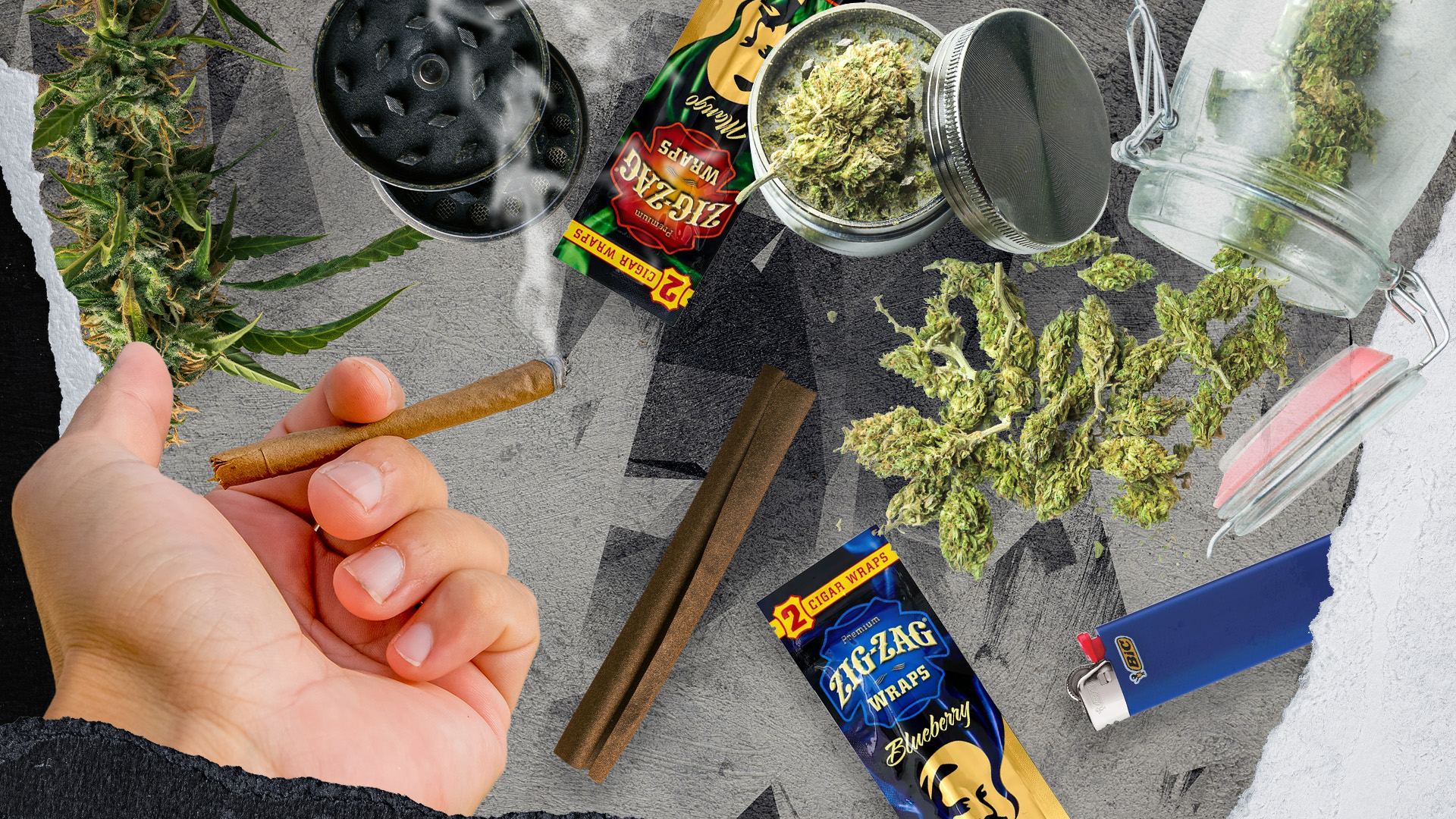
Essential materials include:
- Cannabis (0.5-1.5 grams depending on blunt size)
- Blunt wraps or cigar to empty
- Sharp knife or razor blade
- Grinder or scissors for breaking up cannabis
- Rolling tray or clean flat surface
- Lighter for sealing
Optional tools that can improve your results include a rolling machine for beginners, a poker tool for packing, and a humidity pack to keep wraps fresh. A glass or ceramic surface works better than paper plates, which can stick to moist wraps.
The workspace matters more than most people realize. Choose a clean, flat surface with good lighting where you won’t be rushed. Wind and distractions can make rolling significantly harder, especially when you’re learning the technique.
Choosing the Right Blunt Wrap
Wrap selection directly impacts your smoking experience, from flavor intensity to burn rate. Understanding the differences between wrap types helps you choose the best option for your preferences and skill level.
Tobacco wraps offer the traditional blunt experience with robust flavor and reliable burning properties. Popular brands like Swisher Sweets and Backwoods provide consistent results, though they contain nicotine and carry the associated health risks. These wraps are often easier for beginners because they’re less likely to crack during rolling.
Hemp wraps have gained popularity as a tobacco-free alternative that eliminates nicotine exposure. They burn slightly faster than tobacco wraps but offer cleaner flavor that doesn’t compete with cannabis taste. Hemp wraps can be more fragile when wet, requiring gentler handling during the rolling process.
| Wrap Type |
Pros |
Cons |
Best For |
| Tobacco Leaf |
Traditional flavor, easy to roll, slow burn |
Contains nicotine, stronger taste |
Experienced users, group sessions |
| Hemp Wraps |
No nicotine, cleaner taste, various flavors |
More fragile, faster burn |
Health-conscious users, solo sessions |
| Flavored Wraps |
Variety of tastes, beginner-friendly |
Artificial flavoring, masking cannabis flavor |
New users, flavored preferences |
Fresh wraps roll much easier than dry ones. Store unopened wraps in a cool, dry place and use opened packages within a few days. If a wrap feels too dry, lightly moisten it with a damp cloth or breathe on it gently before rolling.
How to Roll a Blunt
Start by splitting your wrap lengthwise if using a whole cigar, or lay out a pre-made wrap with the adhesive strip facing up. Remove all tobacco filling completely and discard it, leaving only the clean wrap ready for cannabis.
Grind your cannabis to a medium consistency – not powder-fine but broken down enough to burn evenly. Place the ground cannabis in the center of the wrap, leaving about half an inch of space at each end. The amount depends on wrap size, but 0.75-1 gram works well for most standard wraps.
Shape the cannabis into an even cylinder by gently rolling the wrap back and forth between your fingers. This pre-shaping step prevents lumps and air pockets that can cause uneven burning. Take your time here – rushing this stage creates problems later.
Tuck the bottom edge of the wrap under the cannabis, then roll upward while maintaining gentle, even pressure. Keep the cannabis packed but not compressed. Lick the adhesive strip and seal the blunt by pressing the edge down firmly.
Run a lighter flame along the sealed edge quickly to dry the adhesive and strengthen the seal. Don’t let the flame touch the wrap directly – keep it moving to avoid burning through the material.
Advanced Tips for Perfect Blunts
Mastering the fundamentals opens up techniques that create consistently better results. These advanced approaches address common rolling challenges and improve both the process and final product.
- Perfect your cannabis preparation: Grind consistency affects burn quality more than most people realize. Remove stems completely and aim for pieces roughly the size of coarse sea salt. Too fine creates harsh smoke; too coarse burns unevenly.
- Control wrap moisture: Slightly moist wraps roll easier but too much moisture causes tearing. If your wrap is too dry, exhale gently on it or hold it near steam for a few seconds. Test flexibility by gently bending – it should give without cracking.
- Master the tuck technique: The initial tuck determines everything that follows. Use your thumbs to tuck the bottom edge under while your fingers guide the top edge over. Practice this motion with empty wraps until it becomes automatic.
- Pack strategically: Place slightly more cannabis toward the middle of the wrap and less at the ends. This creates a natural taper that’s easier to seal and burns more evenly than a perfect cylinder.
How to avoid common problems: wrap tearing – work slowly with moist hands and don’t overpack; loose ends – leave adequate wrap material at both ends for twisting; uneven burning – ensure consistent cannabis distribution and check for air gaps; poor seal – clean off any cannabis particles from the adhesive before sealing.
The final flame-drying step requires patience. Move the lighter steadily along the seal without lingering in one spot. This technique strengthens the bond and prevents the wrap from unrolling during smoking.
How Much Plant Matter to Add
Cannabis quantity affects both rolling difficulty and smoking experience. Too little creates a loose, fast-burning blunt that’s hard to seal properly. Too much makes rolling nearly impossible and can split the wrap.
For standard-sized wraps, 0.75 to 1 gram provides the ideal balance. Beginners should start with slightly less until they develop better rolling control. Larger wraps or extended sessions may accommodate up to 1.5 grams, but this requires more advanced technique.
Consider your tolerance and intended use when choosing quantity. Solo sessions typically need less cannabis than group settings. Different ways to smoke cannabis offer various potency levels, and blunts tend to be more potent per session than other methods due to their size and burn characteristics.
Distribution matters as much as total quantity. Place slightly more cannabis in the center and taper toward the ends for easier rolling and more even burning.
Catching the Wrap Behind the Filter
Filter placement requires specific technique to prevent the common problem of loose wrap material bunching up behind the filter. This issue creates weak points that can cause the blunt to unravel or burn unevenly.
When positioning your filter, leave a small gap between the filter and the cannabis rather than pushing them tightly together. This space allows the wrap to conform properly around both elements without creating excess material that bunches up.
Tuck the wrap edge cleanly around the filter by rolling it slightly past the filter, then bringing it back to create a smooth overlap. This technique eliminates the loose material that commonly catches behind filters and creates structural weak points.
The filter should sit snugly but not compress the wrap. If you’re experiencing persistent problems with wrap bunching, try using a slightly smaller filter or adjusting your rolling technique to create more even tension throughout the rolling process.
Not Having Enough Plant Matter Near the Filter
Insufficient cannabis near the filter end creates several smoking problems: harsh hits, uneven burning, and potential for the filter to become loose during use. This common issue stems from cannabis settling away from the filter during rolling.
Distribute cannabis evenly before rolling, paying special attention to the filter end. Pack this area gently but firmly to ensure adequate material surrounds the filter without creating a dense plug that restricts airflow.
Use a thin tool like a paperclip or poker to adjust cannabis distribution after initial placement but before sealing. This fine-tuning step prevents gaps that become apparent only after the blunt is sealed and difficult to fix.
The goal is consistent density throughout the blunt’s length. The filter end should contain enough cannabis to maintain structural integrity while allowing smooth airflow for an enjoyable smoking experience.
Sealing the Blunt Properly
A proper seal determines whether your blunt stays together during smoking. Poor sealing technique is the most common cause of blunts unraveling or developing runs that ruin the smoking experience.
Clean the adhesive area completely before sealing by removing any cannabis particles or moisture that could interfere with adhesion. Even small debris prevents proper bonding and creates weak spots in the seal.
Apply moisture to the adhesive strip evenly using your tongue, but avoid oversaturating. Too much saliva makes the wrap soggy and prone to tearing. Too little prevents proper adhesion that leads to seal failure.
Press the seal firmly and hold for several seconds to ensure proper bonding. Run your finger along the entire seal length while applying steady pressure. This technique eliminates air bubbles and creates a continuous bond.
The flame-drying step completes the sealing process by removing excess moisture and strengthening the bond. Move the lighter flame parallel to the seal at a safe distance, keeping it moving to prevent burning. This final step significantly improves seal durability.
A Caveat to Rolling Blunts
Understanding the health risks of smoking blunts helps you make informed decisions about consumption methods. Traditional tobacco wraps contain nicotine and introduce additional combustion byproducts beyond those from cannabis alone.
Tobacco wraps carry the same health concerns associated with any tobacco product. Regular blunt smoking exposes users to nicotine addiction potential and the cardiovascular and respiratory effects of tobacco consumption. These risks occur regardless of the cannabis quality or rolling technique.
Hemp wraps eliminate nicotine exposure but still involve combustion, which creates harmful compounds present in any smoking method. Rolling paper alternatives are available for users concerned about combustion-related health effects.
Consider your overall consumption pattern when evaluating these risks. Occasional use presents different risk profiles than daily consumption. Many users find that understanding these factors helps them make choices aligned with their health priorities and lifestyle goals.
Ready to explore cannabis options that work for your lifestyle and health goals? A qualified cannabis doctor can help you understand consumption methods, dosing strategies, and legal access options in your state. Find a medical marijuana doctor to discuss whether cannabis is right for your specific situation.
Note: The content on this page is for informational purposes only and is not intended to be professional medical advice. Do not attempt to self-diagnose or prescribe treatment based on the information provided. Always consult a physician before making any decision on the treatment of a medical condition.
Note: Veriheal does not support illegally consuming therapeutic substances such as cannabis but acknowledges that it transpires because of the current illicit status, which we strive to change by advocating for research, legal access, and responsible consumption. Always consult a physician before attempting alternative therapies.
Frequently Asked Questions
How long does it take to learn to roll a blunt?
Most people can roll a smokeable blunt after 3-5 practice sessions, but developing consistent technique typically takes several weeks of regular practice.
Can I reuse blunt wraps?
No, blunt wraps are single-use items. The adhesive loses effectiveness after the first use, and the material becomes too fragile for rerolling.
What’s the difference between blunts and joints besides the wrap?
Blunts burn slower and longer than joints due to thicker wrap material, typically contain more cannabis, and often provide a different flavor profile from the wrap itself.
Do hemp wraps burn the same as tobacco wraps?
Hemp wraps burn slightly faster than tobacco wraps and may require more frequent relighting, but they provide cleaner flavor without nicotine exposure.
How do I store unused blunt wraps?
Keep unopened wraps in a cool, dry place away from direct sunlight. Once opened, use within a few days and store in an airtight container to prevent them from drying out.
What should I do if my blunt wrap tears while rolling?
Small tears can sometimes be repaired by moistening the area and pressing it together gently, but large tears usually require starting over with a fresh wrap.
Author, Share & Comments