Your medical cannabis journey simplified: find partnered dispensaries, explore pricing options, earn rewards, and get answers to FAQs, all in one spot.
Decarboxylation (“decarb”) is the gentle heating step that converts THCA (tetrahydrocannabinolic acid) and CBDA (cannabidiolic acid) into active THC (tetrahydrocannabinol) and CBD (cannabidiol). Without it, edibles, tinctures, and many topicals feel weak because your body doesn’t readily use acidic cannabinoids. Think of decarb as “activating” flower, kief, or hash before you infuse or cook. (Educational only—follow local laws and never drive impaired.)
How Does Decarboxylation Work?
Raw cannabis mostly holds THCA/CBDA. Steady, moderate heat removes a tiny COOH group (as CO₂), converting it to THC/CBD, which interacts better with your endocannabinoid system. Too cool/short = under-decarb. Too hot/long = terpene loss and cannabinoid degradation. Aim for even, consistent heat across your material.
Oven sheet-pan (most accessible) Preheat 230–240°F (110–115°C). Coarsely break the flower; spread it thin on parchment. Bake 30–40 min, stir once. Look for light golden/tan and dry/crumbly. Cool before storing.
Mason-jar (odor control) Flower into a dry mason jar (leave headspace). Lid fingertip-tight. Bake ~240°F for 40–50 min, shaking gently every 15 min. Cool fully before opening.
Precision device/sous-vide (most consistent) Follow device profile (often ~230°F/110°C for ~40 min for THC; longer for CBD). Great for repeatable results and terpene retention.
Why: Discreet, portable, predictable once you test your dose.
Tip: Store refrigerated to avoid leaks (oil caps).
4. Instant Mix-Ins (Fast & Low Effort)
Fatty foods: Stir a measured amount of infused oil into nut butters, yogurt, smoothies, and oatmeal. Fats help absorption.
Sweeteners: Make canna-honey (low heat blend) or canna-syrup (sugar + water + infused tincture reduced). Great for tea/lemonade.
Savory boosts: Whisk infused olive oil into vinaigrettes, drizzle on pizza/pasta, mash into avocado toast.
5. Baking & Confections
Brownies/cookies: Swap ¼–½ of recipe fat with infused butter/oil to control strength.
Chocolate: Gently melt chocolate, stir in small amounts of infused coconut/MCT oil, and pour into molds.
Gummies (advanced): Make a standard gelatin gummy base; emulsify infused MCT + lecithin for even dosing.
6. Topicals (Non-Intoxicating Use on Skin)
Balms & salves: Blend infused coconut/olive oil with beeswax (about 4:1 oil:wax) and a few drops of essential oil if desired.
Lotions: Stir infused oil into an unscented lotion base (emulsify well).
Why: Local, non-intoxicating; good for DIY self-care products.
Note: Skin application doesn’t produce the classic “high.”
7. Kief & Hash Shortcuts
Kief sprinkle: After decarb, sprinkle tiny amounts over buttered toast or peanut butter crackers (fat = friend).
Hash cocoa: Whisk a pea-sized decarbed hash piece into hot cocoa with a pat of butter or cream until dissolved.
8. Flavor & Potency Tips
Terpene care: Lower temps and covered/jar methods preserve aroma; add herbs/spices (cinnamon, citrus zest, garlic) to complement flavor.
Lecithin love: Sunflower lecithin improves consistency and bioavailability in edibles.
Test batch: Make a tiny test recipe (e.g., 1 tbsp infused oil + 3 tbsp regular oil) to gauge strength before big bakes.
9. Dosing & Labeling (Keep It Safe)
Start low: Try 1–2 mg THC first time; wait 2–3 hours before more.
Label everything:“Contains cannabis”, date, estimated mg per tsp/cube/piece.
Storage:Cool, dark, airtight; keep out of reach of kids and pets.
10. Quick Ideas Cheat Sheet
Goal
Fast option
Notes
Sleepy cocoa
½–1 tsp infused MCT in hot cocoa
Add a pinch of lecithin for a smoother mix
Salad night
1 tsp infused olive oil in vinaigrette
Shake well; dress individual portions
Movie snack
Melted infused butter over popcorn
Finish with parmesan/chili flakes
Morning microdose
3–5 drops tincture under tongue
Hold 60–90 sec; record effects
Travel-friendly
Two “00” oil capsules
Store cool; test potency at home first
When Do You Need to Decarb Cannabis?
You need to decarb when the product won’t be heated during use—because raw THCA/CBDA aren’t active yet. Decarb “turns on” cannabinoids, so dosing is predictable.
Tinctures: alcohol or glycerin tinctures (sublingual or mix-in).
Most topicals: balms, salves, massage oils—activation improves consistency.
Not required:
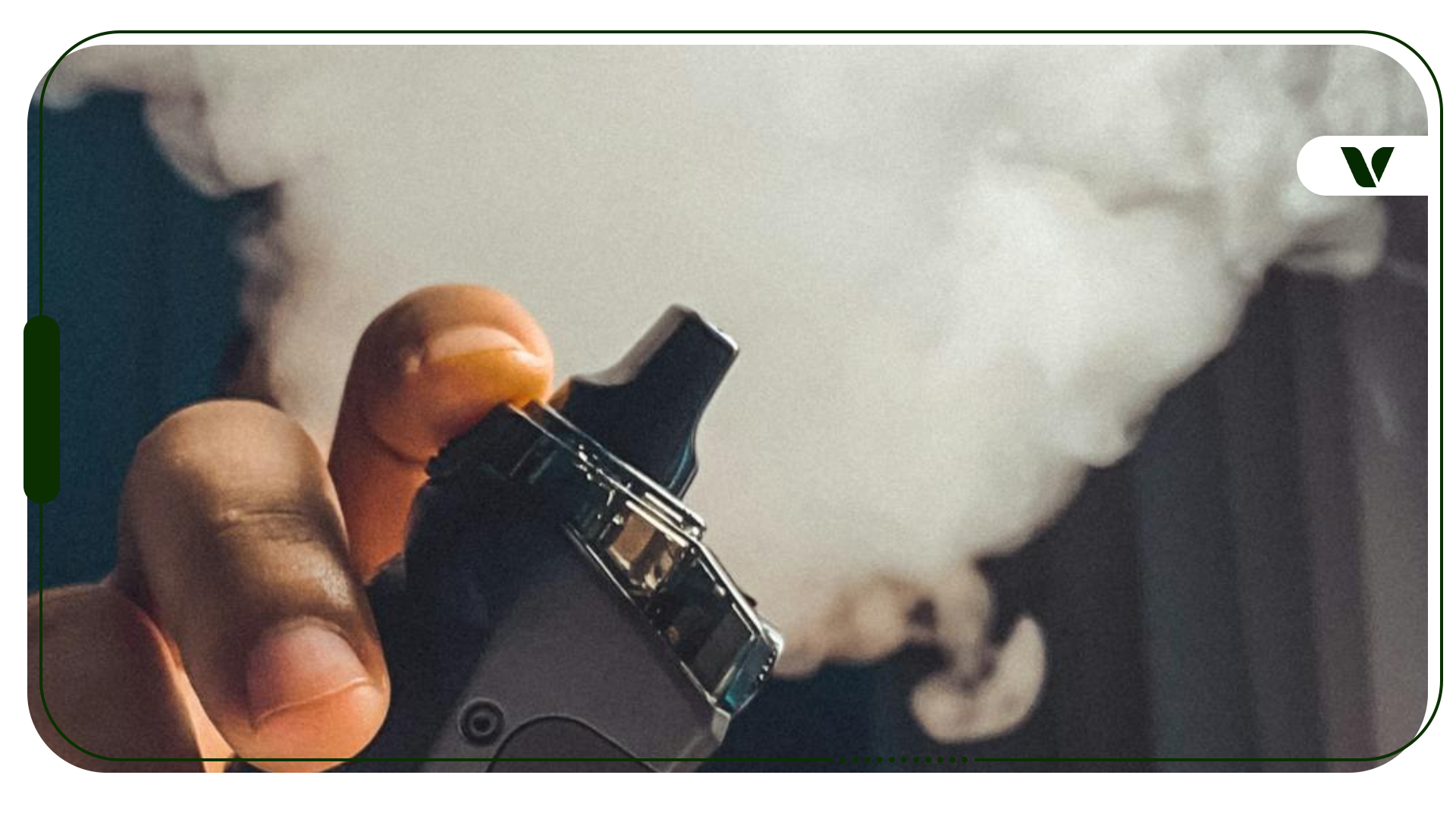
Smoking or vaping: heat during use decarbs on the fly (joints, bowls, vapes).
Concentrates (it depends):
Dabbing/vaping concentrates: no pre-decarb needed (the rig or vape decarbs).
Cooking with concentrates (rosin, RSO, distillate):
Distillate is typically already active—can go straight into recipes.
Rosin/RSO/shatter/wax may be only partially active—a gentle decarb (e.g., 220–230°F / 105–110°C, ~20–30 min) helps make recipe potency more predictable.
Rule of thumb: If your final product won’t see sustained heat right before consumption, decarb first.
Handy Decarb Reference (Flower & Concentrates)
Material
Temp (°F)
Time window
Visual cue
Flower (THC focus)
230–240
30–40 min
Light golden/tan, dry/crumbly
Flower (CBD focus)
230–245
40–55 min
Similar look; slightly longer
Kief
~230
25–35 min
Darker gold; very aromatic
Pressed/bubble hash
~230
30–40 min
Slight darkening; pliable
Rosin (optional)
200–220
15–25 min
Loosens a bit; avoid bubbling
Guidelines: moisture, density, and oven accuracy affect time.
For most: oven tray at 230–240°F for 30–40 min. For low odor and consistent results, use a mason jar or a device.
How to Perform Decarboxylation?
Spread coarsely broken flower thinly; heat on low and steady; stir once; bake to light golden/tan; cool, then store airtight.
How Do You Know Decarb is Complete?
Color turns light golden; texture is dry/crumbly; aroma intensifies. If it browns fast or smells scorched, lower the temp for the next batch.
Do You Have to Infuse Immediately After Decarb?
No. Cool fully, then store airtight/cool/dark and infuse when ready.
What’s the Fastest Way?
Higher heat shortens the time but risks degradation. If rushing, 245–250°F with close monitoring—or use a precision device.
Do I Grind Before Decarbing?
Do a coarse break before and a fine grind after to balance even heating and flavor retention.
What is a Decarb Procedure?
A controlled heat protocol converting THCA→THC and CBDA→CBD: set temp, prep, heat for target window, cool, store.
Safety Reminder: Label all infused materials and keep them away from kids and pets. Follow local laws, and consult a clinician if you have medical conditions or take medications.
Kenneth Bancale is an avid traveler, always seeking to immerse himself in new cultures and experiences that embody the essence of life and freedom. His passion for writing extends beyond mere expression; it serves as a vehicle for education and truth. Kenneth finds solace in the simple pleasures of coffee and the joy of singing. An innovator at heart, he constantly seeks new ways to push boundaries and challenge the status quo. When he’s not on the road or at his desk, you can find Kenneth exploring the great outdoors, indulging his love for hiking and connecting with nature.
My own experience learning to decarb. Hoperfully it helps those not so good at the DYI methods(which are fantastic if you have the patience to learn).
Being new to edibles I got tired of DYI methods for decarbing, mainly because I sucked at it. Finally I broke down and bought a decarber on Amazon. Sweet baby Jesus this was much better. Set it for 1 of 3 temps and forget it. I paid about $100 for it and I know I wasted more than that trying to learn to decarb. I was also surprised that it does a kick ass job of infusing oil based food like butter, or coconut oil). Similar to how a crockpot would. It fits about 1/2 an ounce, which is perfect for me because I cook in small batches. https://amzn.to/367wm80
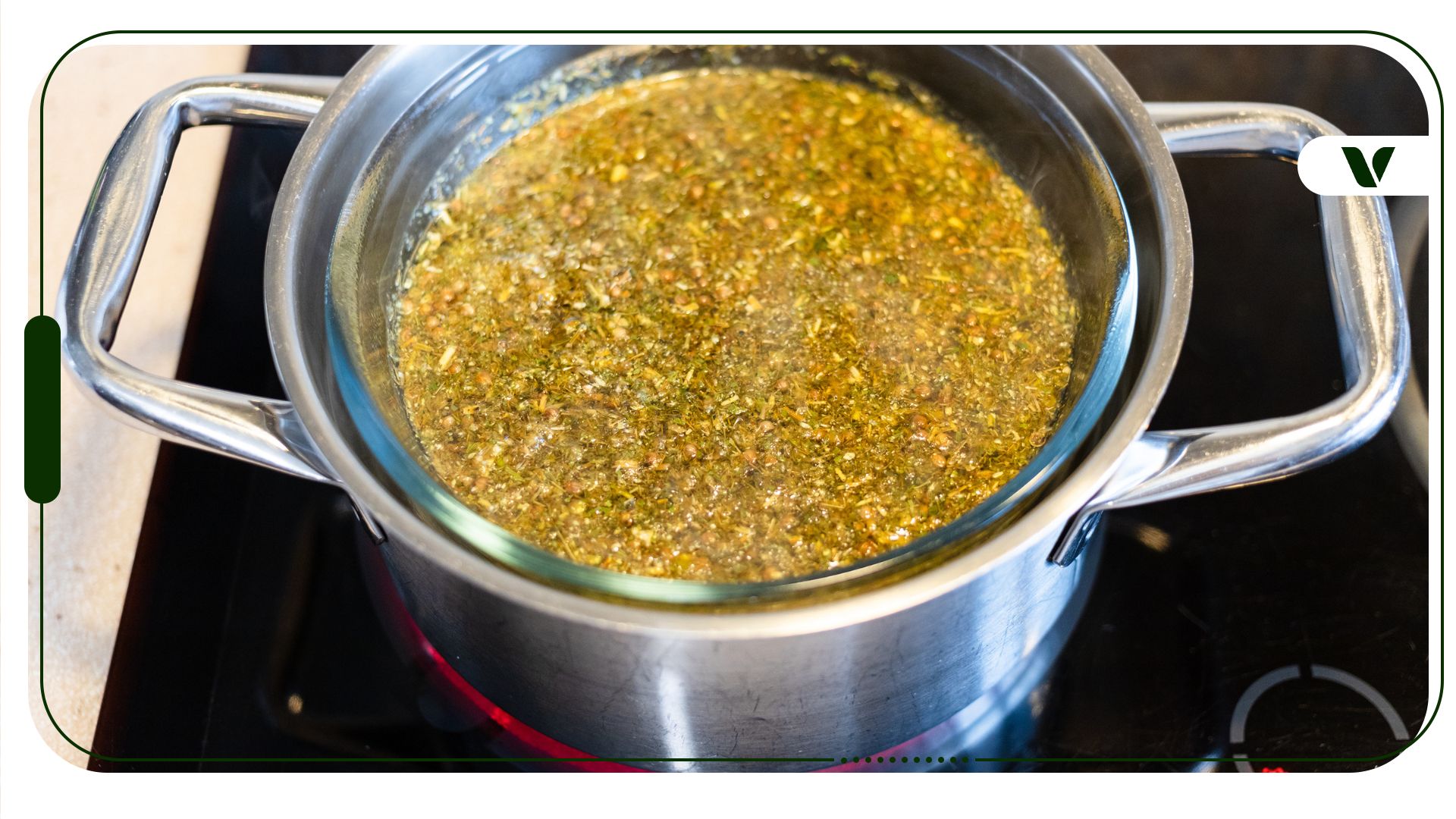
I have also learned how to do an Alcohol extraction of the raw weed, using a double-boiler water bath method using a small stainless bowl where I pour all the alcohol after spending 24 hours drawing out the rosin and terpenes.
After I see no more bubbles coming to the surface of the concentrate, I then take the extracted rosin and put it in a very small glass Jigger, place that in a small water bath and decarboxylate it in my preheated oven for about 30 minutes at 235 degrees Fahrenheit. The alcohol I use is 200 proof food grade Ethanol. I find that I get more rosin from my bud doing it that way than using a press to extract the rosin, which then leaves me having to do the alcohol extraction on the left over pucks. My way eliminated much of the work getting the bud ready to be compressed in my NUGSMASHER UNDER TONS OF PRESSURE.
I am an 78 year old man with some remaining symptoms of PTSD like anger and impatience. I use oil, but I would like to try heat decarboxylation. I used my cheap roaster oven and had difficulty achieving good results due to over or under cooking.
I live in Thailand and I am wondering if you can recommend a product that can be shipped here.
Referencing, “it is recommended that you use it within 3 months to avoid any degradation”. By inference then, I would want to store my long term product w/o decarbing, so it has a longer shelf life? And, decarb as needed…? Thx, great articles!
Question: Thinking in terms of time/temp… What are your thoughts on decarbing by placing the pot in a handcapped pickle jar, and placing the pickle jar in the very strong sunlight. [Rolling the pot around occasionally as as in a mason jar in the oven]. Time? [I am certain a temp of over 145° could be maintained here]. Thx again, F
Well, since I have not heard from you, I will post my “experiment results” for decarboxylation in a Pickle Jar.
I put about 1oz of good bud shake into a commercial pickle jar. I set it in the direct sun [ambient outside temp 96°-100°] I turned it every hour or so. I left it out from 0900 – 1500 the first day. I saw [perhaps] a small change in color. Day 2, I left it in the sun from 0900-1500 hours. Every bit of the product is a beautiful light brown. The flavor is different from the mother plant it came from now, but it is pleasant. The high is as strong as the original, but the feel is druggier. Anyway, my conclusion is YES, you can decarboxylate outside on hot days using only a jar. [ps. I left a thermometer in the jar during the process. I achieved 140° continuous in the jar.]
I usually put flower in tin foil so to not burn. Should the oven be set at 115 Celsius or put a thermostat in the flower and have the temperature taken from inside the tin foil?
Hi Samantha. I hope you can help me. I would prefer making my night edibles for pain and sound sleep without the psychoactive effects. I cannot find any information that addresses this. The assumption in every article is that we all want to get high at all times. This is not true! I have always decarbed in my Levo II because everything says we should, but do I really need to do it? I don’t particularly like waking in the night high. My question is whether the pain-relieving properties and deep relaxation of Indicas will still occur without decarbing. Has anyone tried this? I hate wasting my expensive weed with an experiment. I did once make a topical with raw Girl Scout Cookies and it worked well for pain relief as an ointment. But I’ve never used raw weed with edibles, such as Indica peppermint white chocolate bars. You said to lower the temp and decarb longer for edibles. What temp and how long? I’ve been decarbing at the pre-programmed Levo temp of 240 degrees for 30 minutes, but it always seems to lightly burn the flower, and that doesn”t seem right either. But that could be because of my elevation at 5500′. Thank you!
Decarboxylation is a game-changer in cannabis consumption. This insightful guide perfectly outlines the crucial steps, making it easy for both beginners and experienced users to unlock the full potential of cannabinoids for a more potent and enjoyable experience.
In the confusing landscape of state-by-state medical marijuana legalization and federal prohibition lies a patient’s pursuit of a better quality of life, balanced with an unrestricted financial livelihood. In workplaces across many different medical marijuana legal states, no law guarantees that a valid, card-carrying MMJ patient status exempts an employee from termination or discrimination stemming…
It feels like every other day, a fresh slang term pops up in the cannabis lexicon, and today, we’re looking at an entry that’s all over TikTok and Reddit – Yart! Spoiler alert: it has everything to do with the humble vape cart (and how challenging it is to talk about cannabis on social media). …
The final stage of life often brings profound challenges for both patients and their families. For patients in hospice and palliative care, common symptoms not only affect the physical body but also their mental well-being. While traditional medications may dull pain, they often come with heavy sedation, confusion, and loss of clarity. Fortunately, medical cannabis…
The old “lazy stoner” stereotype is quickly fading. We now see bodybuilder moms using cannabis for better sleep, runners getting in the zone with the help of weed, and many other examples of cannabis being used in ways that counter the unmotivated stereotypes of the past. As legal access to the plant increases, more people…
If you’re planning to get a medical marijuana card in 2026, you might be wondering whether you need to meet with a certified cannabis doctor—either online or in person. Still, finding a qualified medical marijuana doctor near you can feel overwhelming and confusing if you’re not sure where to start. This guide shows you exactly…
The statements made regarding cannabis products on this website have not been evaluated by the Food and Drug Administration (FDA). Cannabis is not an FDA-approved substance and is still illegal under federal law. The information provided on this website is intended for educational purposes only and is not intended to diagnose, treat, cure, or prevent any disease. It is not intended as medical advice and should not be considered as a substitute for advice from a healthcare professional. We strongly recommend that you consult with a physician or other qualified healthcare provider before using any cannabis products. The use of any information provided on this website is solely at your own risk.