Your medical cannabis journey simplified: find partnered dispensaries, explore pricing options, earn rewards, and get answers to FAQs, all in one spot.
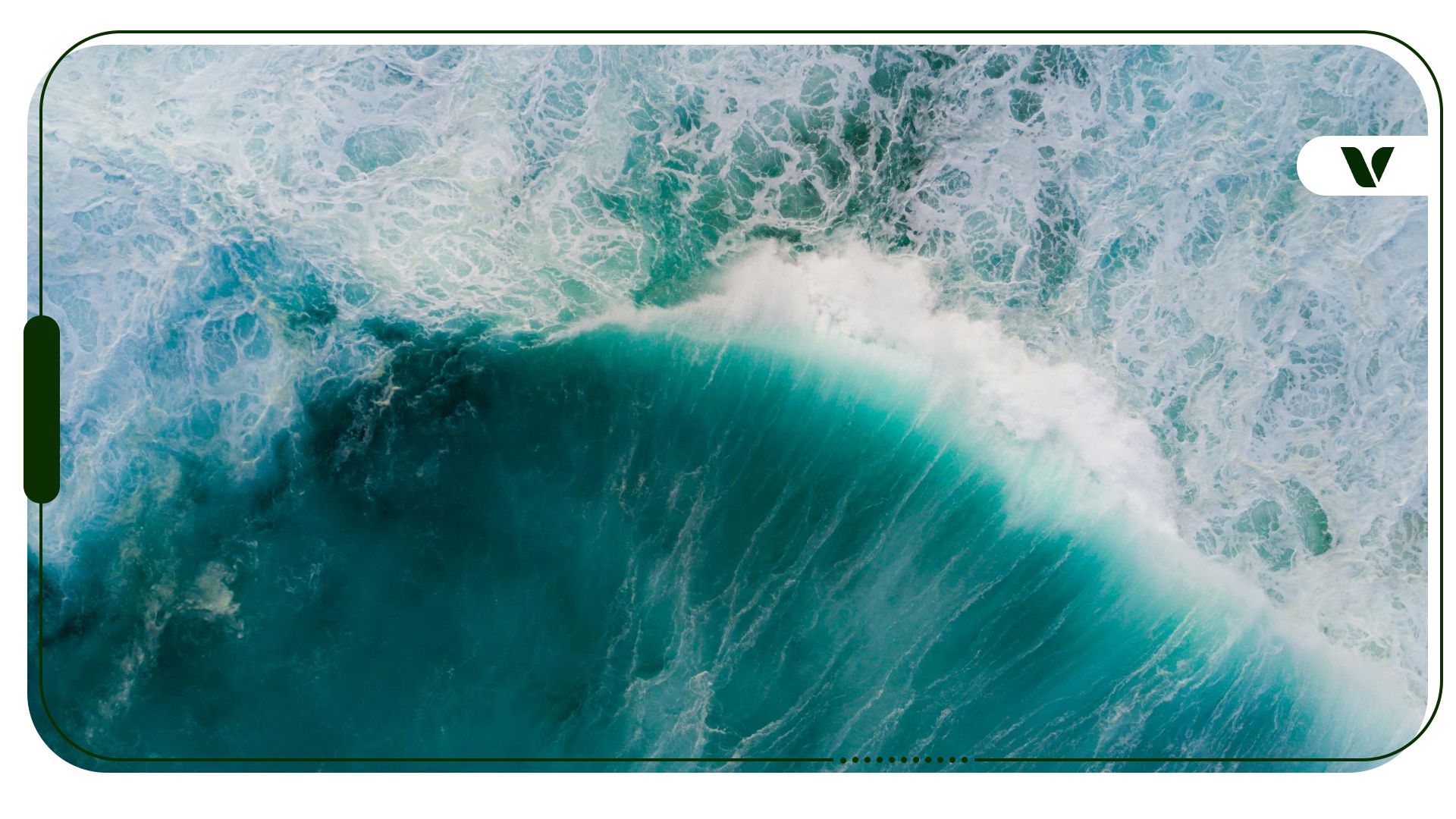
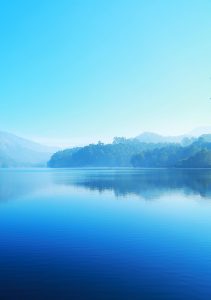
There’s something inherently calming about being near water—the rhythmic lap of waves, the shimmer of sunlight on the surface, and the cool breeze coming off the water. But this calming effect isn’t just in your head. Research now shows that blue spaces can significantly benefit both our physical and mental health in numerous and powerful ways.
Similarly, cannabis also interacts with the same stress-regulation systems in the body, offering a unique opportunity to enhance and deepen the therapeutic impact of time spent on, in, or near the water.
In this guide, we’ll explore how pairing blue-space physiology with cannabis can elevate your next water-based adventure, boosting relaxation, enhancing the senses, and leaving you feeling more connected to both nature and yourself.
What Exactly Is “Blue-Space” Physiology?
“Blue space” is any setting where water has dominated the landscape, including oceans, large rivers, lakes, and even those found in urban areas.
The World Economic Forum’s 2024 index shows that over 1.3 billion travelers seek nature-based experiences, especially near water. Researchers have supported this rise in water-based travel, demonstrating that it’s far more than just a passing trend.
One blue space theory has gained popularity since a 2012 TED Talk. Marine biologist Dr. W. J. Nichols first introduced the concept of the “Blue Mind” theory to describe the calm, focused state people have experienced when near water. In his book, he explains how the sights and sounds of water increase dopamine, serotonin, and oxytocin, while lowering stress hormones like cortisol, offering real benefits for mood, focus, and overall well-being.
Blue-space environments differ from “green spaces” not just in appearance but in the range of sensory experiences they provide. While trees primarily engage our sight and smell, bodies of water simultaneously stimulate our vision, hearing, and often touch, delivering a multisensory signal that our brains interpret as safe and restorative. Watersports and terrestrial exercise by the water are also delightful ways to engage in healthy exercise that also benefit mental health.
Blue Space also triggers rapid physiological shifts. Laboratory and field experiments confirm that simply watching or listening to moving water can have a significant positive physiological effect. Blue space lowers salivary cortisol, raises heart-rate variability (HRV), and steadies blood pressure—clear markers that the nervous system has shifted from fight-or-flight to rest-and-digest.
Neurobiology also explains why blue space has such a strong effect on us. CB1 receptors in the insular cortex, a part of the brain, regulate thirst and water-seeking behavior. This suggests the endocannabinoid system underlies our draw to watery scenery, at least in part.
Systematic reviews only reinforce blue-space science. Reviews of urban and coastal populations have consistently shown that spending time near the water is associated with lower rates of depression, reduced obesity, and decreased heat-related mortality. Even as little as 20 minutes of exposure to water can induce a meditative sense of calm.
In the U.S., counties in the Great Lakes region with shoreline access recorded significantly fewer anxiety and mood-disorder hospital admissions than those surrounded only by small inland lakes, underscoring how the size and type of water body can amplify the benefits of blue space.
How Cannabis Can Enhance the Blue-Space Effect
Spending time near water naturally induces a calmer state of mind, and the endocannabinoid system (ECS) plays a key role in these stress-regulation pathways.
Research indicates that the ECS functions like a biological dimmer switch, calming the hypothalamic-pituitary-adrenal axis (HPA), the body’s primary stress-response system. The ECS also helps by modulating the brain’s response to relaxation, reward, and fear. Reviews of ECS function consistently point to its central role in managing anxiety and stress, exactly the effects blue space is known to produce.
Similarly, cannabis interacts with the ECS by mimicking or enhancing its natural signaling through cannabinoids like tetrahydrocannabinol (THC) and cannabidiol (CBD). Because of this, consuming cannabis can deepen blue-space benefits. For example, studies show low doses of THC significantly reduce feelings of stress, while CBD increases naturally feel-good endocannabinoids and targets important mood receptors like serotonin.
CBD adds another powerful layer to blue-space enhancement. Clinical research shows that CBD can reliably ease anxiety with minimal side effects and no intoxication. In fact, it may even reduce the anxiety caused by excess THC. When taken alone or with small doses of THC, it is shown to improve common signs of relaxation. Consuming a balanced ratio of THC and CBD mimics the physiological shifts that blue space induces: reduced cortisol levels, a steadier heart rhythm, and a calmer, more focused mental state.
Cannabis may also heighten the sensory backdrop that makes blue space feel so vivid. Studies show that CB1 receptors help regulate sensory perception, and some anecdotal reports even link low-dose cannabis use to heightened night vision and enhanced color perception.
Because of the way cannabis engages the ECS, it also enhances how your brain processes novelty and sensory input. THC directly activates areas like the amygdala and sensory centers, turning even familiar blue-space spots—like your usual lake or shoreline trail—into fresh, vivid experiences.
Selecting strains with terpenes that can further sharpen focus and elevate mood, helping the sights, sounds, and scents of water also feel more vivid. When used mindfully, such as dosed adequately before the activity and with thoughtful strain and terpene selections, cannabis becomes a natural complement to the scientifically supported benefits of blue space.
Micro blue-space adventures provide low-cost getaways—whether for a day, a weekend, or just a few hours—that deliver meaningful mental health benefits.
Research indicates that large, open waters offer the most significant boost, but even small lakes can be effective in enhancing biodiversity, socializing, camping, and outdoor recreation. These simple outings can be powerfully restorative, especially when paired with the right cannabis experience.
For most of these experiences, aim for cannabis products with low THC and moderate CBD percentages, ideally rich in terpenes like limonene and pinene to sharpen visual clarity and boost mood.
Shoreline Walk with Water-Sound Meditation
Try a sunset or sunrise stroll along the water’s edge.
Why it works: Researchers conducting a crossover trial found that short shoreline walks lowered systolic blood pressure and lifted mood more than identical urban walks, while the sights, sounds, and scents of water further boosted heart-rate variability in prior studies.
Sea Swim & Snorkel
Sea swimming, or lake swimming for those not near the sea, and snorkelling experiences are known to lift mood and mental well-being.
See If You Qualify For Medical Marijuana -Select Your State!
Select Your State
Alabama
Alaska
Arizona
Arkansas
California
Colorado
Connecticut
Delaware
Florida
Georgia
Hawaii
Idaho
Illinois
Indiana
Iowa
Kansas
Kentucky
Louisiana
Maine
Maryland
Massachusetts
Michigan
Minnesota
Mississippi
Missouri
Montana
Nebraska
Nevada
New Hampshire
New Jersey
New Mexico
New York
North Carolina
North Dakota
Ohio
Oklahoma
Oregon
Pennsylvania
Rhode Island
South Carolina
South Dakota
Tennessee
Texas
Utah
Vermont
Virginia
Washington
West Virginia
Wisconsin
Wyoming
Never miss a post
Get updates on cannabis culture, new research, and expert insights
Why it works: A study of tropical blue spaces found that people who snorkel or sea-swim register significantly higher mental-well-being scores than non-participants, even after researchers controlled for age and fitness.
Tide-Pool Exploration & Sitting on the Beach
Walk between tide pools to engage your senses, then rest on the sand. This combines attention-boosting discovery with the beach’s natural stress-relieving properties.
Why it works: Studies show that beach settings lower stress and slow breathing more than urban or inland green spaces. Adding tide-pool exploration activities enhances proprioceptive novelty and boosts attentional restoration.
Cold-Water Plunges and Swims
Even in the colder months, blue space can offer additional benefits for our mental and physical health.
Why it works:Cold-water immersion (CWI) floods the body with endorphins and norepinephrine, reduces cortisol levels, and enhances stress resilience for hours. Quick face dips provide an instant lift, while regular full-body plunges or open-water swims promote mood regulation and other long-term benefits.
Research-Informed Cannabis Strain Short-List for Blue-Space Adventures
Matching the strain to your activity is one of the most ideal ways to choose a strain for blue-space activities. Gentle swims or other relaxed activities may pair best with hybrid or indica-leaning strains and moderate THC levels that provide a calming effect.
Other activities, such as paddleboarding, kayaking, or surfing, are better paired with a sativa-dominant or low-THC and CBD-rich profile that preserves energy and focus.
ACDC
ACDC—a CBD-rich phenotype of Cannatonic—offers very low levels of intoxication. About 13% CBD calms the nervous system and helps lower cortisol, echoing the soothing effect of wide-open water, while pinene and around 1% THC still keep your mind sharp.
Expect a relaxed yet focused lift – ideal for balance-heavy moves like surfing or paddleboarding.
Super Lemon Haze (SLH)
Super Lemon Haze—a sativa-dominant hybrid of Lemon Skunk and Super Silver Haze—packs upbeat, citrus-bright energy that suits many blue-space outings.
Containing about 19% THC, SLH boasts moderate potency, while the terpene limonene drives a mood-lifting, motivational lift ideal for most water activities.
Blue Dream
This sativa-dominant hybrid, a cross between Blueberry and Haze, sparks creativity, euphoria, and sustained energy. It blends clear-headed cerebral stimulation with gentle full-body relaxation, thanks to THC levels that often top at 20% and trace amounts of CBD.
Both novice and veteran cannabis consumers commonly enjoy its balanced potency. Medical users rely on it to ease stress, anxiety, and depression, effects that perfectly amplify the natural calm of blue-space adventures.
Sour Diesel
This energizing, sativa-dominant strain delivers an uplifting, euphoric high that helps boost mood and motivation, making it perfect for kickstarting a full day of beachside or water-based activities.
With THC levels often reaching 20% and a terpene profile dominated by caryophyllene, limonene, and myrcene, Sour Diesel is known to ease stress, anxiety, and symptoms of depression while enhancing focus and energy.
Dialing In Your Dose & Strategy for Water Adventures
The dose you take—and when you take it—determines how well cannabis pairs with your water adventure.
Titrate First
Titrating means adjusting your cannabis dose in micro-steps over multiple sessions until you find the gentlest amount that delivers the desired boost while minimizing potential side effects.
Take a low dose on shore, wait 15–30 minutes for inhaled methods (edibles closer to 60 minutes), and then step onto or into the water once you’ve perfected your dose. Record the results so you can further hone your minimal effective dose for next time.
Blue-Space Adventure Strategies
Seek wide-open water. Large, unobstructed bodies of water, such as oceans, the Great Lakes, or broad rivers, offer the most substantial mental health boost.
Choose clean, easy access points. Public launches with good water quality enhance the experience and simplify logistics.
Dose smart for the activity. Stick to low-THC, CBD-rich strains for balance-heavy activities like paddleboarding, and boost your CBD intake to 10–25 mg afterward to aid recovery and sustain the calm.
Dose on shore. Pre-activity cannabis consumption lets you monitor the onset safely and keeps your gear dry.
Add breathwork or mindfulness. Simple techniques like focused breathing or body scanning can deepen the calming effects of cannabis and blue space.
Key Takeaways
Blue spaces and cannabis can both calm the nervous system, reduce cortisol levels, and support mood through similar biological pathways, particularly the endocannabinoid system. When paired intentionally by dose, ratio, and terpene profile, cannabis can enhance the sensory and emotional impact of any water-based adventures, turning each outing into a deeper experience of restoration and connection.
Sarah Welk Baynum is a Columbus, Ohio based published fiction author and experienced freelance writer specializing in long-form content. When she isn't working on her next novel or writing for her clients, she enjoys spending time riding and competing in showjumping or eventing with her two horses, Tilly and Letty.
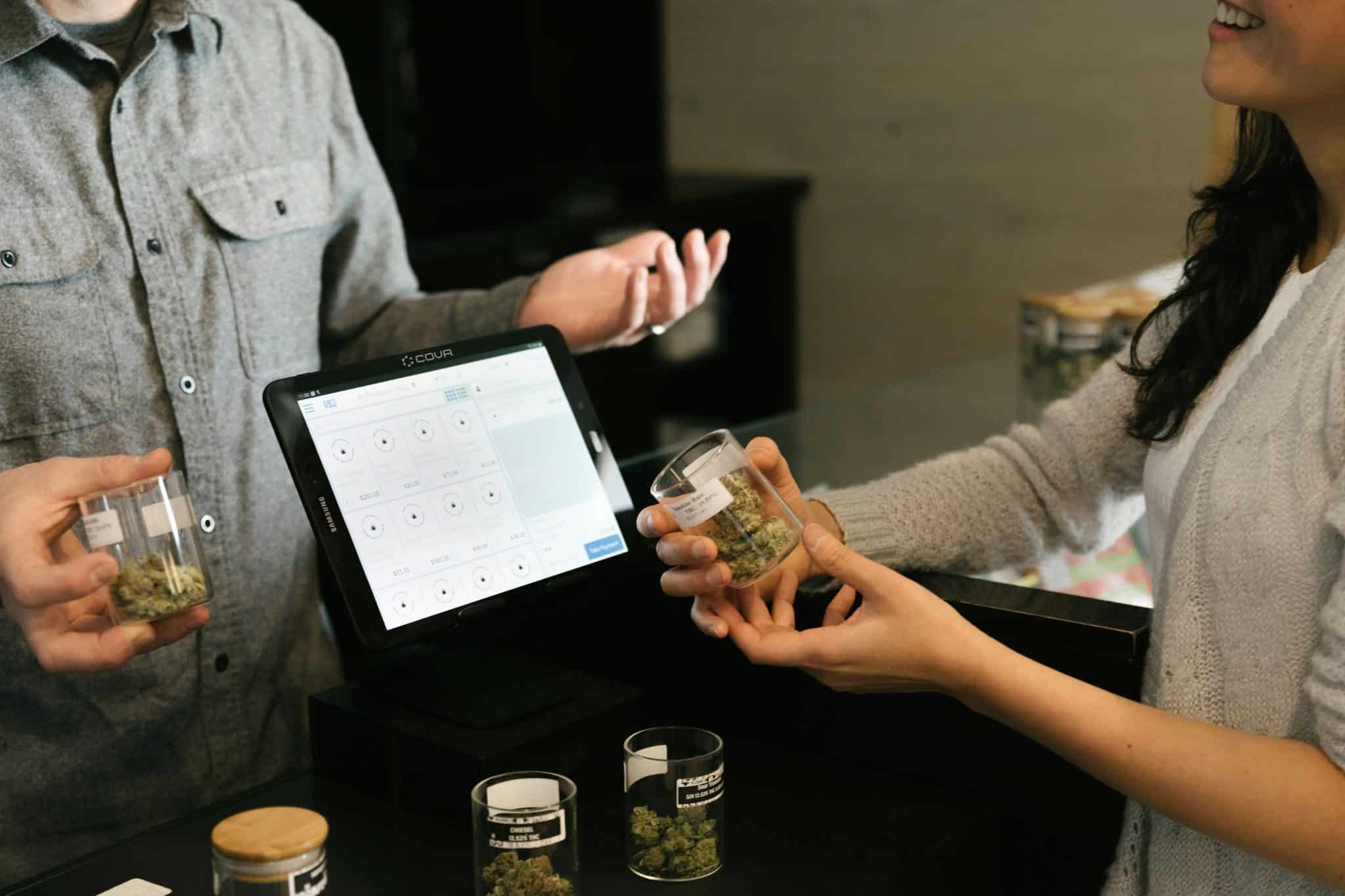
Oklahoma’s medical-only dispensary market gives licensed patients access to a wide range of cannabis products, but every purchase must follow OMMA rules. This guide explains how to find licensed dispensaries, what identification to bring, purchase and possession limits, product testing, pricing, and what to expect during a visit.
Oklahoma’s advertised $25 medical marijuana card renewal covers the physician evaluation, but patients must also pay a separate OMMA license fee. This guide explains the full renewal cost, reduced-fee eligibility, required documents, online renewal steps, processing times, and the new physician recommendation requirement.
An Oklahoma medical marijuana card provides legal protection under state law, but it can still affect employment, commercial driving, firearms, privacy, and federally regulated situations. This guide explains the main consequences to consider before applying, including workplace drug testing, CDL rules, insurance, housing, and registry privacy.
Getting a medical marijuana card in Oklahoma can be completed online, with no specific qualifying condition required for adult applicants. This guide covers eligibility, telehealth evaluations, required documents, OMMA application steps, fees, processing times, and what patients can do once approved.
A same-day telehealth appointment in Oklahoma can get you a physician recommendation quickly, but OMMA still needs to process your medical marijuana license application. This guide explains the timeline, required documents, costs, and when you can legally visit a dispensary while waiting for the physical card.
The statements made regarding cannabis products on this website have not been evaluated by the Food and Drug Administration (FDA). Cannabis is not an FDA-approved substance and is still illegal under federal law. The information provided on this website is intended for educational purposes only and is not intended to diagnose, treat, cure, or prevent any disease. It is not intended as medical advice and should not be considered as a substitute for advice from a healthcare professional. We strongly recommend that you consult with a physician or other qualified healthcare provider before using any cannabis products. The use of any information provided on this website is solely at your own risk.