1-855-452-6224 (Customer Support Available 24/7)



In 2025, patients will increasingly seek out cannabis doctors to manage persistent symptoms and complex conditions. As medical marijuana research and patient support grow, more states are broadening access through expanded medical marijuana programs.
Here’s a look at the conditions cannabis doctors treat most often and how qualifying conditions for medical marijuana continue to evolve nationwide.
Each state sets its own rules for approving qualifying conditions for medical marijuana. Most start with legislation or ballot measures that outline an initial list. In some states, the medical board can even add conditions through public petitions and rule changes.
After legalization, certified cannabis doctors review each patient’s diagnosis and confirm it matches an approved condition. In other states, patients must first try traditional treatments before getting certified, unless cannabis is already standard care for that condition.
Some states give doctors broad authority to recommend cannabis for any debilitating condition. Others use tiered lists and update them regularly through their respective health agencies.
However, most medical marijuana state programs blend legal guidelines with physician judgment. This approach keeps qualifying conditions rooted in evidence while allowing room for updates as cannabis research evolves.

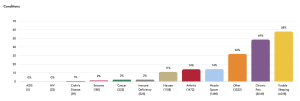
Below are the top medical marijuana qualifying conditions that cannabis doctors help patients with most often in 2025. The list begins with emerging uses and leads up to the most common reasons patients seek medical marijuana today.
Crohn’s Disease: Cannabis doctors commonly recommend tetrahydrocannabinol (THC) and cannabidiol (CBD) products to ease intestinal inflammation and cramping. Crohn’s continues to rise as a qualifying condition for medical marijuana when standard medications fail.
Seizure Disorders: High‑CBD extracts like Epidiolex® can reduce seizure frequency in hard‑to‑treat epilepsy, although nonpharmaceutical formulation results may vary. Seizure disorders remain one of the most common medical conditions that cannabis doctors help manage. Liver enzymes will need to be monitored, and anticonvulsant medications may need to be adjusted by your doctor.
Cancer‑Related Symptoms: Medical marijuana helps fight chemo-related nausea, increase appetite, and relieve nerve pain. Cancer remains among the top conditions doctors can help manage with cannabis, thanks to consistent patient-reported benefits for both cancer and treatment-related symptoms.
Immune Deficiency (e.g., HIV, AIDS, etc.): Patients with immune system disorders use low‑dose THC to ease nerve pain and improve appetite and CBD for mood and deeper sleep, offering a gentler alternative to many pharmaceutical options.
Persistent Nausea: Medical marijuana, especially via inhalation consumption methods, delivers fast relief for nausea linked to migraines, GI flare-ups, or recovery from surgery. Nausea now ranks as one of the fastest-growing qualifying conditions for medical marijuana.
Arthritis: Patients turn to cannabis in both systemic and topical forms to help reduce joint swelling, pain, and morning stiffness, making it a common go-to natural alternative to NSAIDs (i.e., ibuprofen) or acetaminophen (i.e., Tylenol®).
Muscle Spasms: Patients with multiple sclerosis, spinal injuries, or neurological conditions use medicinal marijuana to relax muscles and improve sleep, keeping spasms high on the list of cannabis doctors’ most treated conditions.
Chronic Pain: Cannabis doctors rely on full-spectrum products to help patients manage conditions like fibromyalgia, back pain, and arthritis. Cannabis can lower pain scores and can cut opioid use, making chronic pain the most common medical condition cannabis doctors treat.
Trouble Sleeping (Insomnia): Sleep-related issues top the list in 2025. Patients use cannabis to fall asleep faster and stay asleep longer. According to the American Academy of Sleep Medicine, over 50% of cannabis patients use it for sleeping issues, making insomnia among the top 3 reasons people seek medical cannabis today.
In 2025, more people are turning to cannabis to manage a wider variety of health issues—not just the ones it’s most commonly known for.
While conditions like chronic pain still top the list, new surveys and reports show growing interest in using cannabis for other conditions, too. Patients are reporting relief from symptoms tied to everything from anxiety to autoimmune disorders, and research is beginning to catch up.
Patients and cannabis doctors are also increasingly turning to lesser-known cannabinoids beyond THC and CBD to treat a broader range of conditions. Minor or rare cannabinoids, such as cannabigerol (CBG), can help combat anxiety, inflammation, and bacteria; cannabinol (CBN) can promote better sleep; and tetrahydrocannabivarin THCV can help curb appetite and help support blood sugar control.
Some of the top new and emerging conditions people manage with medical marijuana in 2025 include:
Neurological Disorders: Patients and researchers are showing more interest in cannabis for conditions like Parkinson’s disease and Huntington’s disease. While further studies are needed, many patients report relief from the symptoms of these conditions, such as muscle spasms, tremors, mood, and sleep disturbances.
Mental Health Conditions: Cannabis is already well-known for helping with PTSD and anxiety, but more patients are now using it to manage depression and other mood disorders like seasonal affective disorder (SAD). Medical marijuana consumers often report improved emotional balance, lower stress, and better sleep.
Gastrointestinal Issues: People with ulcerative colitis, Crohn’s, irritable bowel syndrome, and other digestive conditions are turning to cannabis to help manage bowel movements, inflammation, nausea, and pain.
Chronic Illnesses and Symptoms: Beyond just chronic pain, using cannabis to help with conditions like migraines and even symptoms related to diabetes. Many patients report reduced discomfort and better daily function.
PTSD: Both veterans and civilians with PTSD continue to report that cannabis helps ease flashbacks, anxiety, and sleep problems.
Opioid Alternatives: Some patients turn to cannabis as a safer alternative to opioids, especially for long-term symptom management. Research shows many people find cannabis just as effective as their prescription meds, but with fewer side effects. This points to medical marijuana’s potential to reduce dependency risks and improve overall quality of life.
Other Conditions: Patients turn to cannabis for managing new and different conditions each year, such as Tourette’s syndrome.
Patients of all ages, from children to older adults, use medical cannabis to manage a wide range of health conditions.
The American Academy of Pediatrics supports the use of FDA-approved medical cannabis for children facing life-limiting or severely debilitating conditions, especially when other treatments haven’t worked.
In these cases, medical marijuana may help manage pediatric conditions symptoms related to:

Cannabis use is on the rise among older adults nationwide, as more people turn to medical cannabis as a safe, natural, and effective way to manage geriatric conditions.
READ: What Does Research Say About Psychedelic Therapy for Autism?
As of mid-2025, 40 states, D.C., and three U.S. territories have legalized medical cannabis. Eight additional states allow only low-THC, high-CBD programs. Medical cannabis programs across the United States can differ not only in access but also in which medical conditions qualify for medical marijuana.
Examples of State Differences
Some of the differences in qualifying conditions for medical marijuana programs by state include:
Each state sets its list of qualifying conditions, but many commonly include chronic pain, PTSD, epilepsy, cancer, and multiple sclerosis. Many also approve conditions like anxiety, migraines, autism, and IBD. Some states, such as Louisiana, grant doctors the freedom to certify any condition they deem debilitating.
Yes, anxiety ranks among the top reasons patients visit cannabis doctors. Many states list it as a qualifying condition, particularly for individuals seeking improved sleep and stress relief.
Yes, cannabis doctors treat chronic pain more than any other condition. Patients with fibromyalgia, arthritis, and back pain commonly use cannabis to manage symptoms and reduce their reliance on opioids and other painkillers.
Yes, most U.S. states recognize PTSD as a qualifying condition. Veterans and civilians commonly report fewer flashbacks, better sleep, and reduced anxiety with medical marijuana.
While each state has its own qualifying conditions, states are beginning to approve additional conditions like Parkinson’s disease, autism, sickle cell disease, cachexia, Tourette syndrome, and opioid use disorder. Many also add symptom-driven conditions such as insomnia, chronic nausea, and muscle spasms.
Yes, in some states. CBD-rich cannabis can help those with severe, treatment-resistant autism by easing anxiety and reducing disruptive behaviors.
Yes. While not all states list depression as a qualifying condition, many cannabis doctors treat it, especially when linked to other conditions like anxiety, PTSD, or insomnia.
Sign up for our newsletter

Learn the process in your state
All Rights Reserved Veriheal Inc. ©
Terms Privacy Policy Advertising Agreement Content Disclamer


Get your medical marijuana card today
Sign up in under 5 minutes
Start By Selecting Your State
 Alabama
Alaska
Arizona
Arkansas
California
Colorado
Connecticut
Delaware
Florida
Georgia
Hawaii
Idaho
Illinois
Indiana
Iowa
Kansas
Kentucky
Louisiana
Maine
Maryland
Massachusetts
Michigan
Minnesota
Mississippi
Missouri
Montana
Nebraska
Nevada
New Hampshire
New Jersey
New Mexico
New York
North Carolina
North Dakota
Ohio
Oklahoma
Oregon
Pennsylvania
Rhode Island
South Carolina
South Dakota
Tennessee
Texas
Utah
Vermont
Virginia
Washington
West Virginia
Wisconsin
Wyoming
Puerto Rico
Alabama
Alaska
Arizona
Arkansas
California
Colorado
Connecticut
Delaware
Florida
Georgia
Hawaii
Idaho
Illinois
Indiana
Iowa
Kansas
Kentucky
Louisiana
Maine
Maryland
Massachusetts
Michigan
Minnesota
Mississippi
Missouri
Montana
Nebraska
Nevada
New Hampshire
New Jersey
New Mexico
New York
North Carolina
North Dakota
Ohio
Oklahoma
Oregon
Pennsylvania
Rhode Island
South Carolina
South Dakota
Tennessee
Texas
Utah
Vermont
Virginia
Washington
West Virginia
Wisconsin
Wyoming
Puerto Rico