1-855-452-6224 (Customer Support Available 24/7)


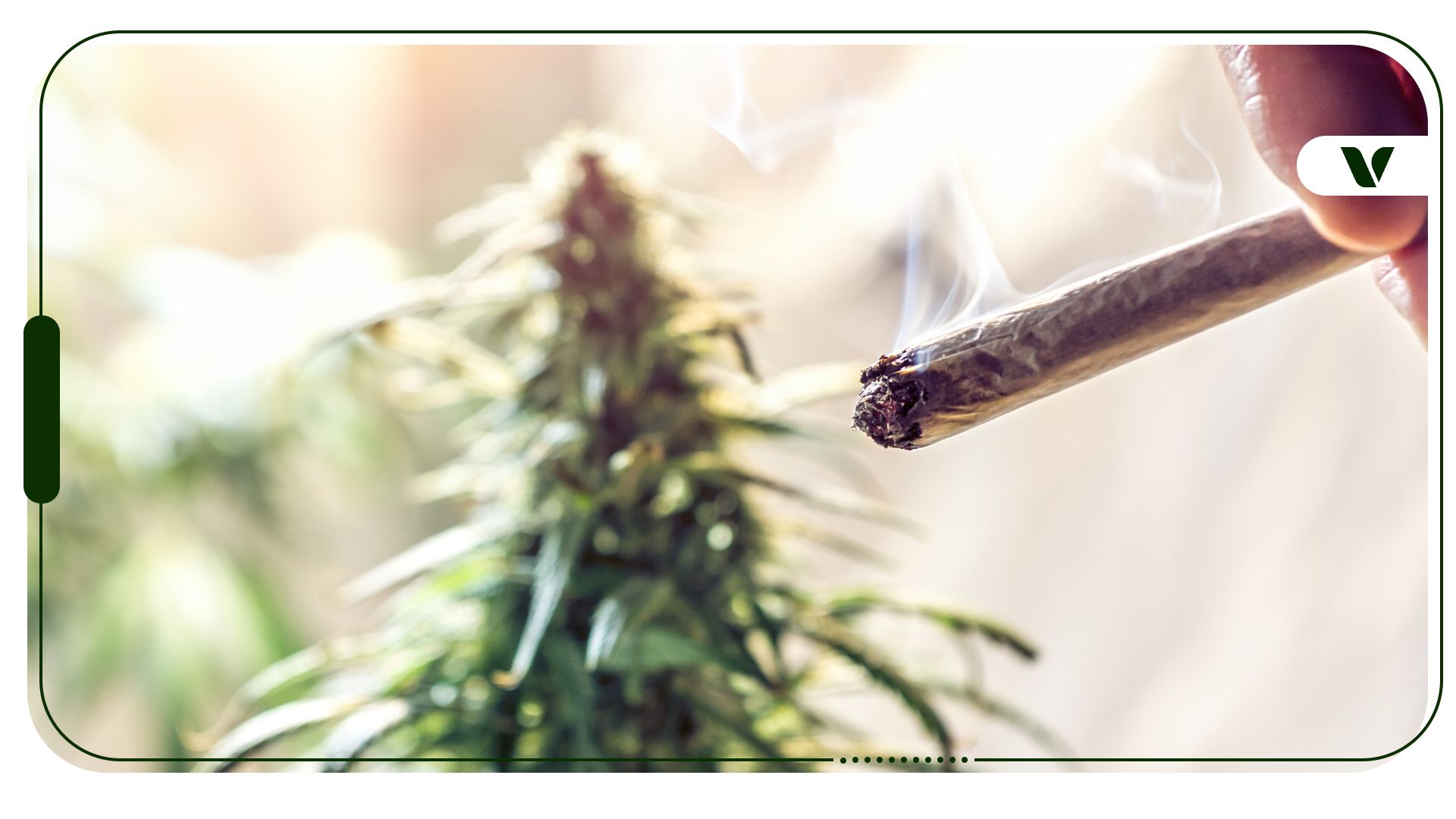
Despite how cannabis continues to gain acceptance and legalization worldwide, the belief that daily marijuana use is a negative habit persists, with such use often harshly judged.
However, cannabis is not just a recreational substance—it is a legitimate, therapeutic, medicinal tool that plays a vital role in improving overall quality of life.
Ultimately, it comes down to understanding that the fundamental difference between medication and addiction means knowing whether continued use causes more benefits than harms.
Despite growing acceptance and legalization of marijuana globally, daily cannabis use still faces societal stigma—often viewed as a “flaw” or bad habit. Historical, social, and other perceived concerns likely fuel the remaining stigma.
However, cannabis typically has fewer adverse effects compared to other legal substances like tobacco and alcohol—both of which are much more widely accepted despite their extensively documented health risks.
For decades, cannabis was classified as illegal, linking its use to criminal behavior and negative perceptions. Racist and prejudiced campaigns actively criminalized cannabis, cementing the idea that its use signified immorality.
The outdated stigma linking cannabis use to unproductivity is likely another contributing factor. Many people associate daily cannabis use with decreased motivation, lower educational attainment, and reduced career achievement. As a result, people assume daily cannabis consumption is an obstacle to meeting social and professional responsibilities.
The media and public opinion often reinforce negative stereotypes about cannabis users—even those who rely on it medically—by labeling them as “potheads” or “stoners.” These persistent images make it harder for people to recognize cannabis’s therapeutic value or even simply part of a well-adjusted, productive, and balanced lifestyle.
These negative stereotypes result in increased social disapproval and discrimination against daily cannabis use. This often makes individuals using cannabis medically and responsibly feel as though they have a bad habit, rather than engaging in a legitimate health practice.
The stigma surrounding daily cannabis use is particularly strongly directed at younger users who are increasingly choosing cannabis over alcohol, while older generations often cast more negative views due to the era they grew up in and the even stronger negative stigma of that time. Women who use cannabis may also face greater stigma, perceived as rebellious or irresponsible—especially mothers in the face of “draconian hospital policies” that even medical societies like ACOG do not support.
Marginalized groups, including those dealing with incarceration, poverty, or chronic illness, may also experience greater social stigma. They are also still victims of unequal enforcement or policing. Even after legalization in some states, nationally-representative FBI data show that arrests of white persons decreased, while the opposite happened for Black people.
While concerns about the long-term health effects of daily cannabis use exist, the stigma surrounding it can have the opposite effect—discouraging individuals from seeking the support they need for cannabis use disorder or even basic related issues like prenatal care, especially in communities of color where they are disproportionately drug tested.
The legal status of cannabis—illegal at the federal level but legal in many states for medical or recreational use—creates confusion about its social acceptance. Given recent trends and the gradual acceptance of cannabis use, nationwide legalization appears increasingly inevitable. However, it’s important to acknowledge that intended or advertised progress in racial and social equity in state-based programs has not caught up or advanced much.
As scientific advancements continue to highlight cannabis as a therapeutic alternative, particularly as a potential substitute for opioids, its growing legitimacy helps counteract negative stigma and boosts the likelihood of national legalization.
Over time, cannabis has become a recognized medicinal tool, and this positive trend will likely continue given increased access and research, helping to challenge the stigma that daily cannabis use is merely a bad habit. For many, daily cannabis use is one of the few ways they can significantly improve their overall quality of life.
Outdated perceptions often fuel negative views of daily cannabis use. Still, emerging research highlights its therapeutic benefits, showing that cannabis is a valid tool for managing health and well-being—and not necessarily a vice.
Instead, daily cannabis use can be a personal wellness choice, similar to other daily habits that promote well-being. Studies show that cannabis may help people manage stress, improve mental health, and maintain overall well-being—all while allowing them to remain functional in daily life. Cannabis users reported a 50% reduction in depression and a 58% reduction in anxiety and stress after using cannabis, according to one study.
But a common misconception is that daily cannabis use leads to addiction or reduced motivation. However, research indicates the opposite. Based on early findings comparing the relative addictiveness and toxicities of recreational drugs, cannabis is associated with a lower risk of dependency and non-existent direct fatality compared to substances like alcohol, tobacco, and prescription medications, making it a potentially safer option for many individuals.
When used responsibly and strategically—such as selecting strains that boost mental focus during the day or promote relaxation at night—cannabis doesn’t have to hinder motivation either. Instead, many daily cannabis users thrive in their careers, relationships, and social lives because of cannabis—not despite it.
People increasingly recognize cannabis as a legitimate form of daily medication, especially for managing chronic conditions, even though daily use still faces stigma. Cannabis plants contain dozens of cannabinoids—chemical compounds such as tetrahydrocannabinol (THC) and cannabidiol (CBD)—that play a key role in its therapeutic effects.
As a result, cannabis helps individuals manage chronic physical conditions like arthritis and fibromyalgia, offering a safer alternative to opioids. It also alleviates symptoms of mental health conditions such as anxiety, depression, and PTSD, providing relief without the harsh side effects commonly associated with traditional medications.
As of September 2025, 40 states, 3 territories, and the District of Columbia have legalized medical cannabis, with 24 states also allowing recreational use. This growing trend highlights the increasing recognition of the powerful benefits of both medical and recreational cannabis, underscoring why many individuals could benefit from using cannabis daily.
Just as prescribed medications manage chronic conditions like diabetes or hypertension, cannabis, including hemp and CBD options, is becoming a daily treatment option, improving quality of life for those with pain or mental health disorders. Ongoing research and growing acceptance position cannabis as a vital part of modern medicine.
Daily cannabis use provides significant short- and long-term health benefits when used responsibly, as negative effects are generally age- and dose-dependent. While misconceptions about dependency persist, it’s essential to differentiate between therapeutic use and misuse, which most often boils down to overconsumption of high-THC products. When used correctly and in balance, cannabis is a valuable tool for enhancing both mental and physical wellness.
A key benefit of daily cannabis use is its cumulative, long-term effects, such as relieving chronic stress. It promotes relaxation, deeper sleep (with THC and CBD combo), alleviates stress, and stabilizes mood, helping to prevent chronic stress that can lead to serious health issues.
Chronic stress negatively impacts both physical and mental health, increasing the risk of conditions like cardiovascular diseases, weakened immune function, digestive problems, and more severe mental health disorders. By using cannabis daily to reduce chronic stress, individuals can potentially prevent these health concerns – an ongoing area of research. Just like medications for conditions like diabetes or hypertension, cannabis is a legitimate therapeutic option when used daily and responsibly—not a crutch.

While some use cannabis daily for specific symptoms or conditions, it should not be overlooked or judged when used to enhance the overall quality of life. Like any wellness tool, cannabis can be part of a healthy routine supporting mental and physical well-being.
Daily cannabis use is a valuable tool for managing mental wellness. It can offer a natural and balanced alternative to traditional treatments.
Cannabis for Mental Health: Cannabis is an active part of mental health care, complementing practices like meditation, supplements, and exercise to support emotional stability. Daily cannabis use, especially when paired with the right strains, may help manage conditions such as stress, anxiety, and depression. Cannabis often provides a more natural and balanced alternative to traditional health condition treatments.
Cannabis for Stress Relief and Mental Wellness—Even Without a Diagnosed Condition: Daily cannabis use may be an effective tool for managing stress and promoting overall mental wellness—even for those who don’t have a diagnosed condition like anxiety or depression. Many people face daily stressors—work pressure, family responsibilities, or personal challenges—that can take a toll on mental well-being. Cannabis may also serve as a more natural and potentially less harmful alternative to having an alcoholic drink to unwind after a long day.
When used responsibly, cannabis may offer both short-term relief by helping to reduce stress and anxiety, and long-term benefits by promoting emotional resilience and stability. Cannabis helps individuals improve their ability to cope with daily challenges—proactively supporting mental wellness.
READ: What Is the Most Efficient Way To Smoke Weed and Not Break the Bank?
Daily cannabis use isn’t limited to managing specific symptoms—it may also enhance quality of life in various ways. Many people incorporate cannabis into their daily wellness routine to improve physical well-being, regardless of whether they have a formal diagnosis.
Pain Management: Cannabis is well known for its pain and inflammation-relieving properties, offering sustained relief for chronic pain. Unlike opioids or over-the-counter medications, cannabis may provide pain relief with a lower risk of addiction or tolerance buildup, making it a safer, more sustainable option for long-term pain management. Cannabis can also provide pain relief for everyday pains like migraines or back pain.
Recovery Support: Cannabis may aid in muscle relaxation, which can be beneficial for fitness or surgery recovery. It helps reduce muscle spasms, promotes faster recovery, and improves sleep quality. These benefits make it a valuable part of daily recovery, supporting both athletes and non-athletes alike in recovering from injuries or providing everyday muscle support.
Better Sleep: Many strains of cannabis, particularly indica strains or those rich in CBD, are known to improve sleep quality. By promoting relaxation and reducing anxiety, cannabis helps people get better rest, which in turn supports overall health—such as immune function, physical recovery, and mental health.
Specific Symptom Relief: Similar to other daily medications for chronic conditions, cannabis offers a consistent, therapeutic solution—especially when the right strain is selected to address specific symptoms. Conditions like irritable bowel syndrome (IBS), migraines, and seizures have a range of symptoms that can be relieved by cannabis strains containing terpenes targeting those issues. Regular use helps manage these conditions with fewer side effects compared to traditional medications.
Daily Holistic Wellness and Proactive Health: Daily cannabis use can complement other wellness practices, such as taking vitamins, eating a balanced diet, and exercising. When used under professional guidance, it becomes an integral part of a comprehensive health regimen that supports overall well-being.
Like other daily wellness habits, such as managing chronic stress, cannabis use can be a proactive health measure—not a last-resort solution. Regular, responsible use plays an active role in maintaining and enhancing overall health.
The stigma surrounding daily cannabis use is gradually diminishing, but shifting perspectives to recognize its value can further promote acceptance. Cannabis use is as diverse as its consumer base, and many non-impairing cannabis or hemp options are becoming increasingly popular, like CBD and CBG.
As research advances and societal views evolve, daily cannabis consumption may eventually be seen for what it truly is—a medicine and a vital tool for overall health and wellness, not a crutch.
Sign up for our newsletter
Learn the process in your state
All Rights Reserved Veriheal Inc. ©
Terms Privacy Policy Advertising Agreement Content Disclamer


Get your medical marijuana card today
Sign up in under 5 minutes
Start By Selecting Your State
 Alabama
Alaska
Arizona
Arkansas
California
Colorado
Connecticut
Delaware
Florida
Georgia
Hawaii
Idaho
Illinois
Indiana
Iowa
Kansas
Kentucky
Louisiana
Maine
Maryland
Massachusetts
Michigan
Minnesota
Mississippi
Missouri
Montana
Nebraska
Nevada
New Hampshire
New Jersey
New Mexico
New York
North Carolina
North Dakota
Ohio
Oklahoma
Oregon
Pennsylvania
Rhode Island
South Carolina
South Dakota
Tennessee
Texas
Utah
Vermont
Virginia
Washington
West Virginia
Wisconsin
Wyoming
Puerto Rico
Alabama
Alaska
Arizona
Arkansas
California
Colorado
Connecticut
Delaware
Florida
Georgia
Hawaii
Idaho
Illinois
Indiana
Iowa
Kansas
Kentucky
Louisiana
Maine
Maryland
Massachusetts
Michigan
Minnesota
Mississippi
Missouri
Montana
Nebraska
Nevada
New Hampshire
New Jersey
New Mexico
New York
North Carolina
North Dakota
Ohio
Oklahoma
Oregon
Pennsylvania
Rhode Island
South Carolina
South Dakota
Tennessee
Texas
Utah
Vermont
Virginia
Washington
West Virginia
Wisconsin
Wyoming
Puerto Rico