Your medical cannabis journey simplified: find partnered dispensaries, explore pricing options, earn rewards, and get answers to FAQs, all in one spot.
On the 17th of July this year, a new study provides results which display cannabis as a safe and effective treatment for those with chronic pain from sickle cell disease. The study can be found published in the JAMA Network Open and was led by Kalpna Gupta (University of California Irvine) and Dr. Donald Abrams (University of California San Francisco).
Kalpna Gupta is a professor of medicine with the faculty of UCI’s center for the Study of Cannabis. Gupta stated that the results for the study showed that vaporized cannabis was safe to use and that the study also suggested it would be useful in mitigating pain. Gupta also hopes that cannabis and the research can help address the public health opioid crisis, however larger scale research and more participants are necessary in order to get a better, more concise, understanding of how cannabis can be used for pain before it can completely replace opioids.
Opioids are primarily used to treat chronic and acute pain caused by sickle cell disease, but opioids are also addictive and has managed to be the cause of many deaths. As a result, doctors are prescribing less opioids, which takes away from sickle cell disease patients’ options for treatment.
What Is Sickle Cell Disease?
Sickle cell disease is an inherited disorder. It negatively impacts the molecule in red blood that delivers oxygen to cells all over the body. This molecule is called the hemoglobin and individuals suffering from this disease have the atypical molecule called the hemoglobin S. This atypical hemoglobin molecule can distort the red blood cells so that they look like a crescent shape or a sickle. The sickling of the red blood cells means that those cells break down prematurely and then result in anemia. These blood cells also become stiff and inflexible which can cause the individual a lot of pain when it gets stuck in smaller blood vessels… which can then lead to organ damage as the organs are unable to get oxygen-rich blood.
Common characteristics of this disease can be present from a young age and can include a low count of red blood cells, repeated infections as well as intermittent episodes of pain which can all range in severity depending on the person. These characteristics of the disease can be so severe that an individual is frequently hospitalized.
What causes sickle cell disease? Simply put, sickle cell disease is caused by mutations in the HBB gene which is what provides the instructions for making beta-globin, a protein.
The Trial
Gupta and Abrams’ study was conducted as a double-blind, placebo-controlled, randomized trial. This basically means that it was a clinical trial where neither the patient nor the researchers knew which participants were being administered a placebo or which was getting the actual treatment. A placebo is a substance that is classified as inactive since it shouldn’t cause any effect. This study obtained cannabis from the National Institute on Drug Abuse which contained equal parts THC and CBD.
There were 23 participants suffering from sickle cell disease-related pain, who completed the trial. Each participant was inhaling vaporized cannabis or a vaporized placebo during two periods of 5 days each. The periods were separated by 30 days in order to allow the participants to act as a control group on their own.
The patients pain levels were assessed by the researches throughout the entire treatment periods and it found that the effectiveness of cannabis as a pain-alleviator increased over time. The results displayed that the participants receiving the actual treatment, cannabis vaporizer, had results with lowered pain during activities such as walking as well as reporting lowered pain effects on their mood. However, Gupta reported that the difference was not statistically significant, despite having a winner.
Gupta then goes on to state, “We don’t know if all forms of cannabis products will have a similar effect on chronic pain. Vaporized cannabis, which we employed, may be safer than other forms because lower amounts reach the body’s circulation. This trial opens the door for testing different forms of medical cannabis to treat chronic pain.”
The conclusion of the study is that cannabis vaporizer is safe and potentially effective in the treatment of the chronic pain that is associated with sickle cell disease. Gupta and Abram stated that there needs to be more research for a more concise understanding but that there’s a lot of promise. After all, the benefits of using cannabis to manage pain is the number one reason cited for turning to cannabis consumption.
Chane Leigh, aka The Bud Fairy, is a South African cannabis advocate and enthusiast with a firey personality and a thirst for travel. She loves to educate people and to question the norms.
How is that done, is it through pills or smoking, and if there is a specific product, is it possible to send pictures of that product and can you ship it to all countries?
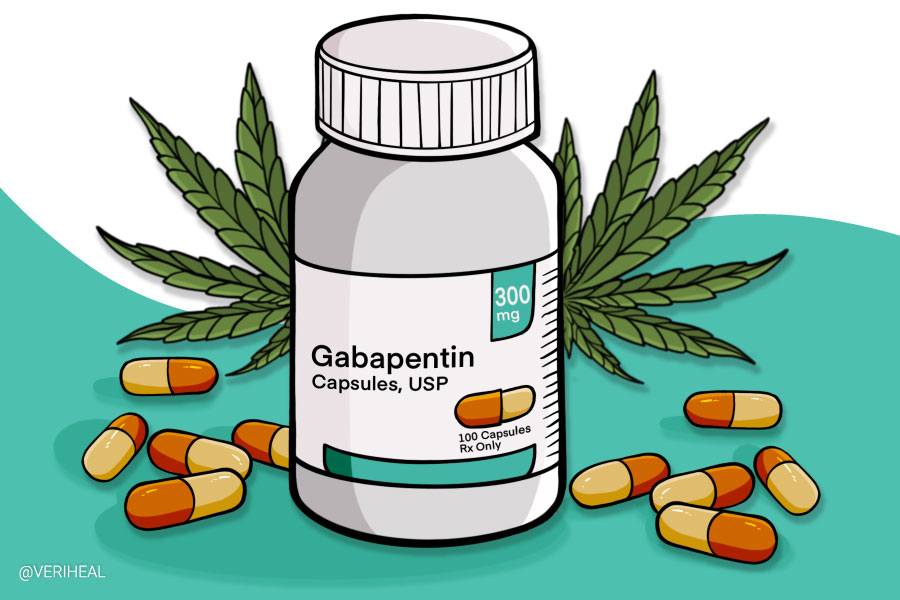
According to the New York Times, 64 million gabapentin prescriptions were dispensed in 2016, with numbers continuing to rise each year. Many patients now explore medical cannabis as an alternative after experiencing gabapentin’s concerning side effects, including FDA warnings about serious respiratory problems. Both treatments target similar conditions like nerve pain and seizures, but they…
An Oklahoma medical marijuana card provides legal protection under state law, but it can still affect employment, commercial driving, firearms, privacy, and federally regulated situations. This guide explains the main consequences to consider before applying, including workplace drug testing, CDL rules, insurance, housing, and registry privacy.
Getting a medical marijuana card in Oklahoma can be completed online, with no specific qualifying condition required for adult applicants. This guide covers eligibility, telehealth evaluations, required documents, OMMA application steps, fees, processing times, and what patients can do once approved.
A same-day telehealth appointment in Oklahoma can get you a physician recommendation quickly, but OMMA still needs to process your medical marijuana license application. This guide explains the timeline, required documents, costs, and when you can legally visit a dispensary while waiting for the physical card.
Medical marijuana has been legal in Oklahoma since 2018, with eligibility determined by physician judgment rather than a fixed list of qualifying conditions. This guide explains how the OMMA program works, patient rights and possession limits, recreational cannabis laws, federal restrictions, and how Oklahoma compares with neighboring states.
The statements made regarding cannabis products on this website have not been evaluated by the Food and Drug Administration (FDA). Cannabis is not an FDA-approved substance and is still illegal under federal law. The information provided on this website is intended for educational purposes only and is not intended to diagnose, treat, cure, or prevent any disease. It is not intended as medical advice and should not be considered as a substitute for advice from a healthcare professional. We strongly recommend that you consult with a physician or other qualified healthcare provider before using any cannabis products. The use of any information provided on this website is solely at your own risk.