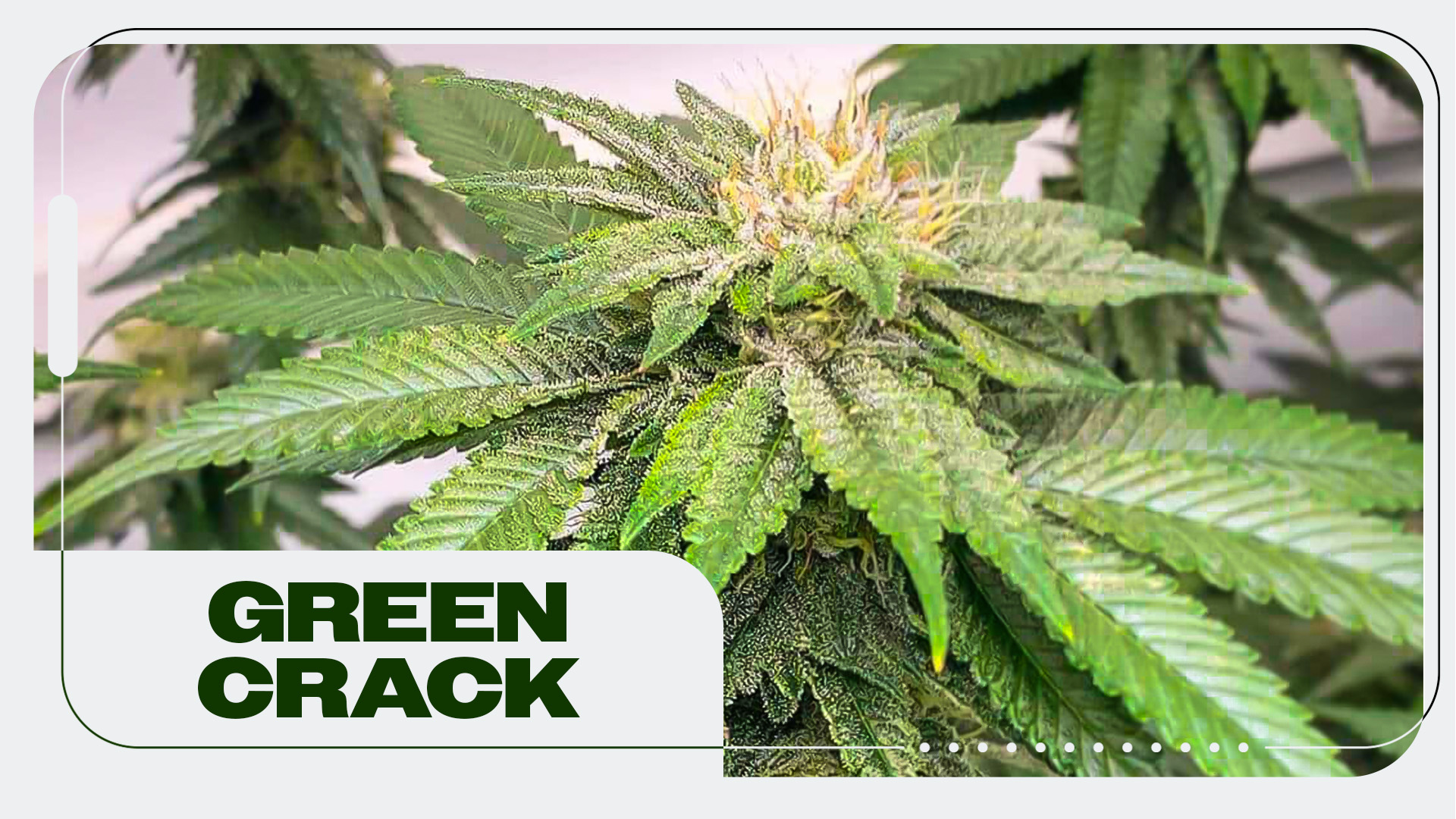
Green Crack stands out from many cannabis strains because of how clear and focused the experience feels. While some strains lean toward body relaxation or sedation, this one is known for mental energy and sharp attention.
This guide breaks down what makes Green Crack different. You’ll find its THC content, terpene profile, and how those elements connect to its effects.
What Is the Green Crack Strain? (Genetics and Lineage)
Green Crack is a sativa-dominant hybrid, created by crossing Skunk #1 with an Afghani landrace. It was first called Cush by breeder Cecil C., until Snoop Dogg tried it and coined the name Green Crack; a reference to its intensely energizing, fast-acting effects.
The name reflects the strong, fast-acting mental energy the strain is known for, not any addictive effect. Some retailers still use names like Green Cush or Mango Crack, and the strain placed third in the Best Sativa category at the High Times Cannabis Cup.
Is Green Crack Indica or Sativa?
Green Crack is a sativa-dominant strain with about 65% sativa and 35% indica. This balance leans toward cerebral effects, which many users link to energetic feelings, focus, and mental clarity rather than body heaviness. A less common indica-leaning phenotype exists and tends to produce a more relaxed feel with a shorter plant structure.
Green Crack Strain Effects
Green Crack produces a fast onset, focusing on mental clarity and energy. Its THC content often ranges from 15% to 25%, which supports a noticeable shift in focus and mood for many users. You may find it easier to stay engaged with tasks or conversations, which is why it is often linked to daytime use.
Common effects include:
- Focus
- Energy
- Mental clarity
- Sociability
- Mood elevation
Unlike heavier or more sedating strains, these effects build in the head rather than the body, creating a distinct head high. The experience can vary based on dose and tolerance, with higher THC levels leading to a stronger cerebral response.
Green Crack Side Effects
Green Crack can cause side effects stemming from its strong cerebral profile. You may notice these effects when sensitivity to cannabis is higher or when intake of this weed strain increases.
Common side effects include:
- Dry mouth
- Dry eyes
- Anxiety
- Paranoia
- Head tension
These effects are tied to the strain’s focus on mental stimulation, which can feel intense for some users. The overall experience can vary based on tolerance and individual response.
Green Crack Terpenes
Green Crack has a terpene profile that shapes both its aroma and the way its effects feel. Cannabis plants can produce over 200 terpenes, but a few dominant compounds define how each strain stands out.
Myrcene
Myrcene provides earthy, herbal notes that form the base of the strain’s aroma. It is one of the most common terpenes found in cannabis across many strains. In Green Crack, it may add a light body balance to the otherwise cerebral experience. Some research links myrcene to relaxation and pain response.
Limonene
Limonene adds citrus and mango notes, giving Green Crack its bright scent. This terpene appears in citrus fruits and is often associated with mood support. In this strain, it may contribute to the uplifting and positive mental shift many users report. Its presence also helps explain the strain’s sharp and fresh flavor.
Caryophyllene
Caryophyllene has a spicy and peppery profile that stands out on the inhale. It is one of the few terpenes known to interact with cannabinoid receptors in the body. This interaction may play a role in how the strain supports stress response and physical comfort. It is often found in black pepper and cloves.
Pinene
Pinene delivers a fresh pine aroma that adds clarity to the overall profile. It is one of the most widely found terpenes in nature, present in pine needles and herbs. Green Crack may support alertness and mental focus. Some studies link pinene to memory retention and attention.
How to Grow Green Crack
A successful Green Crack grow depends on warm, sunny conditions with temperatures between 70°F and 90°F. Indoor plants usually flower in about 7 to 9 weeks, while outdoor setups can yield up to 20 ounces per plant in the right climate.
A typical growing setup includes:
- Climate setup: You benefit from a warm environment with steady light exposure, which supports healthy plant development.
- Humidity control: Around 50% humidity during vegetative growth and closer to 30% during flowering helps reduce the risk of mold in your bud.
- Training methods: Techniques like Screen of Green can yield up to 18 ounces per square meter indoors.
- Nutrient balance: This strain responds to feeding levels, so nutrient intake affects overall plant health and yield.
Green Crack suits growers with some experience, as it responds to changes in water, nutrients, and environmental conditions. Understanding the cannabis plant growth stages can help you time each phase correctly.
Strains Similar to Green Crack
If you want the same level of energy and focus with slight variations in flavor or intensity, look for strains similar to Green Crack. These strains offer comparable THC ranges and terpene profiles, which shape a similar daytime experience.
Jack Herer
Jack Herer is a sativa-dominant strain with THC levels around 18% and a terpene profile that includes pinene and caryophyllene. It is known for producing a clear-headed and uplifting experience that supports focus and mental engagement.
You may notice a similar balance of energy and clarity when you compare these strains to Green Crack. The shared terpene profile directly supports alertness and helps maintain a steady mental state.
Super Lemon Haze
Super Lemon Haze carries THC levels near 19% and features terpenes like limonene, myrcene, and caryophyllene. It is often associated with a bright, uplifting effect that supports mood and mental energy.
The citrus-forward terpene profile sets it apart in flavor while keeping a similar effect pattern. You may find it delivers a comparable sense of focus with a slightly more pronounced mood lift.
Sour Diesel
Sour Diesel contains THC levels around 19% and includes caryophyllene and myrcene in its terpene profile. You will typically notice strong cerebral effects that support focus and alertness.
You may experience a similar level of mental stimulation when you compare Sour Diesel to Green Crack. The overlap in terpene composition helps explain why both strains link to energy and daytime use.
Is Green Crack the Right Strain for You
Green Crack offers a sativa dominant profile with THC levels that often range from 15% to 25%, which supports a clear and energetic experience. You may find it aligns with daytime use where focus, mental clarity, and steady energy matter most. It is also listed among the best cannabis strains for productivity for this reason. The terpene mix also plays a role in shaping how the strain feels, especially when you value alertness over body heaviness.
Your experience can vary based on tolerance and sensitivity to THC, which makes personal response an important factor. A medical cannabis doctor can help you understand if this strain fits your needs and how it may interact with your condition. Find a doctor today on Veriheal.
Note: The content on this page is for informational purposes only and is not intended to be professional medical advice. Do not attempt to self-diagnose or prescribe treatment based on the information provided. Always consult a physician before making any decision on the treatment of a medical condition.
Note: Veriheal does not support illegally consuming therapeutic substances such as cannabis but acknowledges that it transpires because of the current illicit status, which we strive to change by advocating for research, legal access, and responsible consumption. Always consult a physician before attempting alternative therapies.
Frequently Asked Questions
Why Is Green Crack So Good?
Green Crack is often praised for its terpene mix of myrcene, limonene, and pinene, which may support clear energy and focus without strong body heaviness. Its low CBD content keeps the effects THC-driven, which many users associate with functional daytime use without couch lock.
Is Green Crack Good for Anxiety?
Green Crack may help with anxiety at low doses, as some users report its euphoric and uplifting effects can ease mood and support social comfort. At higher doses, its THC levels up to 25% may increase anxiety in sensitive users, so responses can vary.
What Strains Are Similar to Green Crack?
Strains similar to Green Crack include Jack Herer, the Durban Poison strain, and Super Lemon Haze. These strains share overlapping terpene profiles, which may contribute to similar effects like energy, focus, and mental clarity.
Author, Share & Comments