Getting the right temperature when you vaporize cannabis makes the difference between tasting every terpene and burning away the compounds you want most. Each cannabinoid and terpene activates at a specific temperature, which means you can dial in your vaporizer to target specific effects or preserve delicate flavors.
Understanding these temperature ranges helps you get more from your cannabis whether you prefer the light, flavorful vapor at lower settings or the full-spectrum effects that come from higher heat. Most people vaporize too hot and miss the nuanced experience that proper temperature control delivers.
Complete Cannabinoid Boiling Point Chart
The key to effective vaporization lies in understanding that different compounds activate at different temperatures. This means you can customize your experience by choosing the right heat range for your goals.
Major Cannabinoids:
| Compound |
Boiling Point (degrees F) |
Boiling Point (degrees C) |
Primary Effects |
| THC |
315 degrees F |
157 degrees C |
Psychoactive, euphoric, pain relief |
| CBD |
356 degrees F |
180 degrees C |
Anti-inflammatory, anxiety relief, non-psychoactive |
| CBN |
365 degrees F |
185 degrees C |
Sedating, sleep-promoting |
| CBG |
347 degrees F |
175 degrees C |
Antibacterial, potential neuroprotective |
| THCA |
220 degrees F |
104 degrees C |
Anti-inflammatory, non-psychoactive |
| CBDA |
248 degrees F |
120 degrees C |
Anti-nausea, potential anti-cancer |
| Delta-8 THC |
347 degrees F |
175 degrees C |
Mild psychoactive, less anxiety than Delta-9 |
| THCV |
428 degrees F |
220 degrees C |
Appetite suppressant, energizing |
| CBC |
428 degrees F |
220 degrees C |
Anti-inflammatory, potential mood enhancement |
Major Terpenes:
| Terpene |
Boiling Point (degrees F) |
Boiling Point (degrees C) |
Aroma Profile |
Effects |
| Myrcene |
334 degrees F |
168 degrees C |
Musky, earthy |
Relaxing, sedating |
| Limonene |
349 degrees F |
176 degrees C |
Citrusy, fresh |
Mood elevation, stress relief |
| Pinene |
311 degrees F |
155 degrees C |
Pine, forest-like |
Alertness, memory retention |
| Linalool |
388 degrees F |
198 degrees C |
Floral, lavender |
Calming, anti-anxiety |
| Caryophyllene |
266 degrees F |
130 degrees C |
Spicy, peppery |
Anti-inflammatory, potential pain relief |
The cannabis decarboxylation process begins at much lower temperatures than most people realize, which is why you can achieve effects even at relatively modest heat settings.
Vaporizer Temperature Guide by Device Type
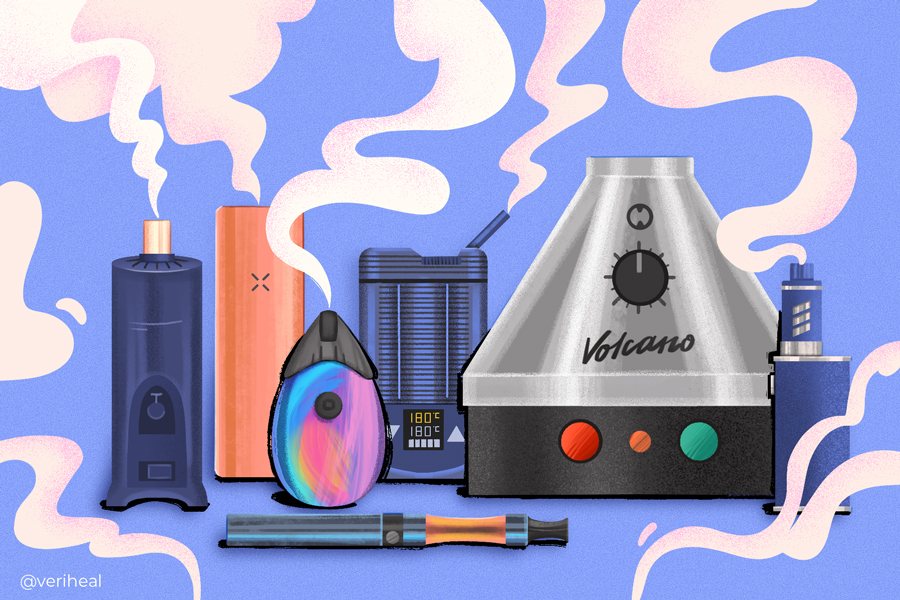
Different vaporizers require different temperature approaches because heat delivery varies significantly between device types. Desktop units provide more consistent temperatures while portable devices may run hotter or cooler than their digital displays indicate.
Device-Specific Temperature Recommendations:
| Device Type |
Optimal Range |
Best For |
Starting Temperature |
| Dry Herb Vaporizers |
365-415 degrees F |
Daily use, flower consumption |
375 degrees F |
| Concentrate Pens |
315-400 degrees F |
Portability, concentrates |
350 degrees F |
| Desktop Vaporizers |
350-430 degrees F |
Home use, precise control |
365 degrees F |
| E-nails |
450-550 degrees F |
Dabbing, concentrates |
500 degrees F |
| Portable Dab Rigs |
400-500 degrees F |
Mobile dabbing |
450 degrees F |
Beginners should start at 365-375 degrees F to avoid harsh vapor while learning proper inhalation technique. This range activates THC and most terpenes without creating the throat irritation that drives new users away from vaporization.
Advanced users often prefer the 315-340 degrees F range for flavor-focused sessions, where terpenes shine and the vapor stays smooth. The 390-415 degrees F range delivers maximum cannabinoid extraction when you want stronger effects from the same amount of flower.
Why Vaporizer Temperature Matters for Effects
Temperature directly controls which compounds you inhale and how your cannabis affects you. Lower temperatures preserve delicate terpenes that contribute to flavor and mood effects, while higher temperatures extract more cannabinoids for stronger psychoactive results.
The 315-340 degrees F range prioritizes terpene preservation and produces light, flavorful vapor with mild effects. This temperature band works well for daytime use when you want clarity and focus without heavy sedation.
Moving up to 340-375 degrees F creates balanced effects by activating both terpenes and major cannabinoids like THC and CBD. Most users find this range delivers the classic cannabis experience without harshness.
The 375-415 degrees F range maximizes cannabinoid extraction and produces stronger effects, though you begin losing some terpenes to heat degradation. This higher range suits evening use when you want pronounced relaxation or pain relief.
Combustion occurs around 450 degrees F and destroys many beneficial compounds while creating harsh smoke. The THC degradation temperatures show that excessive heat converts THC into less desirable compounds, which explains why smoking often feels different from vaporizing the same strain.
Optimal Dabbing Temperatures: Avoiding Heat Damage
Most concentrate users run their dabs too hot and waste terpenes while creating unnecessarily harsh vapor. The optimal dabbing range sits between 315-450 degrees F, with specific temperatures working better for different concentrate types.
Temperatures above 450 degrees F destroy terpenes rapidly and can create benzene and other harmful compounds. Low-temperature dabbing between 315-400 degrees F preserves flavor compounds and delivers smoother effects, though it requires slightly more concentrate to achieve the same intensity.
Temperature Ranges by Concentrate Type:
- Live resin and rosin: 315-375 degrees F for maximum terpene preservation
- Distillate: 350-400 degrees F to activate cannabinoids while maintaining smoothness
- Shatter and wax: 375-425 degrees F to ensure complete vaporization
- Hash and bubble hash: 350-400 degrees F to avoid combustion of plant material
The key indicator of proper dabbing temperature is vapor production without visible combustion or harsh throat hits that make you cough immediately.
Terpenes Matter
Terpenes contribute significantly to both flavor and effects, but they vaporize at lower temperatures than most cannabinoids. Understanding terpene boiling points helps you preserve the compounds that create strain-specific experiences.
Myrcene, the most common cannabis terpene, starts vaporizing at 334 degrees F and contributes to the relaxing effects many users associate with indica strains. Pinene activates even lower at 311 degrees F and may help with focus and alertness.
Linalool requires higher heat at 388 degrees F but offers calming effects similar to lavender. Caryophyllene vaporizes at just 266 degrees F and acts on the same receptors as CBD, potentially contributing to anti-inflammatory effects.
The entourage effect occurs when cannabinoids and terpenes work together, which is why cannabinoid-terpene interactions at moderate temperatures often produce more satisfying results than high-heat sessions that destroy terpenes while extracting maximum cannabinoids.
Temperature Control for Flower Consumption
Traditional smoking methods like joints and bowls burn cannabis at 450 degrees F and above, which destroys many beneficial compounds while creating harsh smoke. Several techniques can reduce combustion temperature and preserve more active compounds.
Hemp wick burns cooler than butane lighters and gives you more control over heat application. Light the hemp wick first, then use it to light your bowl or joint while drawing slowly to avoid creating hot spots.
Plasma lighters eliminate butane entirely and produce consistent, lower-temperature ignition. Corner the bowl when smoking with others to preserve green material for multiple hits instead of torching the entire surface.
Glass screens improve airflow and reduce the need for aggressive pulling that creates high-temperature combustion zones. Different ways to consume cannabis offer better temperature control than traditional smoking methods.
Taking smaller, slower draws prevents the cherry from burning too hot and reduces harsh throat hits that indicate excessive combustion temperatures.
Note: The content on this page is for informational purposes only and is not intended to be professional medical advice. Do not attempt to self-diagnose or prescribe treatment based on the information provided. Always consult a physician before making any decision on the treatment of a medical condition.
Note: Veriheal does not support illegally consuming therapeutic substances such as cannabis but acknowledges that it transpires because of the current illicit status, which we strive to change by advocating for research, legal access, and responsible consumption. Always consult a physician before attempting alternative therapies.
If you want maximum control over your cannabis experience, consider investing in a quality vaporizer that lets you find the perfect temperature settings. Additionally, it’s good practice to work with a qualified cannabis physician who can help optimize your consumption method.
Frequently Asked Questions
What temperature should I set my vaporizer for the first time?
Start your first vaporizer session at 375 degrees F, which activates THC and most terpenes without creating harsh vapor. This moderate temperature lets you learn proper inhalation technique while experiencing balanced effects from both cannabinoids and flavor compounds.
Why does my vaporizer produce different effects at different temperatures?
Different temperatures activate different compounds in cannabis, creating varied effects. Lower temperatures (315-340 degrees F) preserve terpenes for flavor and mild effects, while higher temperatures (375-415 degrees F) extract more cannabinoids for stronger psychoactive results.
What’s the difference between dabbing temperature and flower vaporizer temperature?
Dabbing temperatures run higher because concentrates require more heat for complete vaporization. Optimal dabbing ranges from 315-450 degrees F depending on concentrate type, while flower vaporizers work best between 365-415 degrees F to balance extraction and smoothness.
Do terpenes really affect the high, or is it just flavor?
Terpenes contribute to both flavor and effects through the entourage effect, where they interact with cannabinoids to modify your experience. Myrcene promotes relaxation, pinene enhances alertness, and linalool provides calming effects beyond just taste differences.
How do I know if I’m vaporizing at the right temperature?
Proper vaporizer temperature produces visible vapor without harshness or immediate coughing. If you taste burnt flavors or experience throat irritation, reduce the temperature. If you see little vapor or feel minimal effects, gradually increase heat until you find your optimal range.
Author, Share & Comments