If you’ve come across the term “zip of weed,” it simply means one ounce of cannabis. It’s one of the most common bulk quantities people buy, especially if you use cannabis more than occasionally.
Knowing what a zip includes helps you plan your spending, compare prices, and decide if buying in bulk makes sense for you. This guide breaks down cost, weight, potency, and what you can expect from a full ounce.
What Is a Zip of Weed?
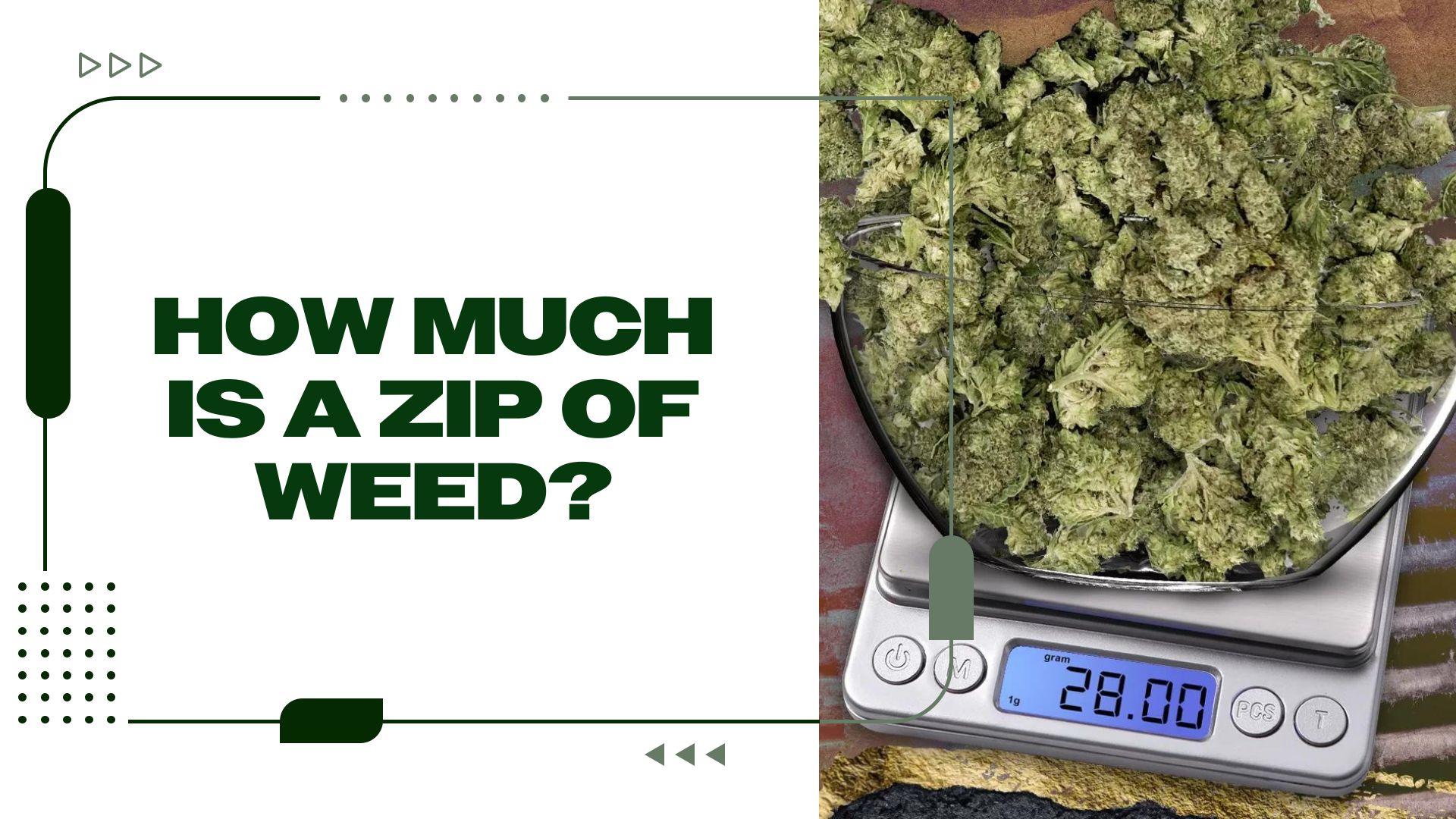
A zip of weed refers to one ounce of cannabis flower, which equals 28 grams. This measurement is widely used across dispensaries and legal markets in the United States.
The term comes from early packaging practices where cannabis was stored and sold in ziplock bags. Over time, the name shortened to “zip” and became common slang in both retail and informal settings.
A zip sits at the higher end of standard purchase sizes. It offers a larger supply compared to smaller amounts like an eighth or a quarter, which makes it a practical option if you consume cannabis on a regular basis.
Here is how a zip compares to other common cannabis measurements:
| Measurement |
Grams |
Ounces |
| Gram |
1g |
0.035 oz |
| Eighth |
3.5g |
0.125 oz |
| Quarter |
7g |
0.25 oz |
| Half ounce |
14g |
0.5 oz |
| Zip |
28g |
1 oz |
| Pound |
453.6g |
16 oz |
For a full breakdown of cannabis quantities, see the cannabis measurements and weights guide. You can also compare it to an eighth of weed or an ounce of weed.
How Much Does a Zip of Weed Cost in 2026?
In 2026, a zip of weed usually costs between $150 and $400. The price depends on your location, the quality of the flower, and how the local market operates.
In established markets like Oregon, Colorado, and Michigan, prices tend to stay on the lower end. A zip in these states often falls between $150 and $250 due to strong supply and competition among dispensaries.
In newer or more restrictive markets, prices move higher. States like New York, Hawaii, and Washington, D.C., often see prices between $300 and $400 due to tighter regulations, limited supply, and higher taxes. A $200 zip breaks down to roughly $7.14 per gram; a useful reference when comparing value across smaller quantities.
Here is a snapshot of average prices across key states: ;98
| State |
Average Price per Zip |
| Oregon |
$150 to $200 |
| Colorado |
$150 to $220 |
| California |
$180 to $250 |
| Michigan |
$150 to $230 |
| New York |
$280 to $350 |
| Hawaii |
$300 to $400 |
| Washington D.C. |
$300 to $400 |
| Florida |
$250 to $350 |
If you hold a medical cannabis card, you often pay less. Medical patients in many states see prices that are 15% to 30% lower due to reduced taxes and access to patient-specific pricing.
How Much THC Is in a Zip of Weed?
The amount of THC in a zip of weed depends on the potency of the cannabis you choose. THC levels in cannabis flower usually range from 5 percent to 30 percent.
With 28 grams in a zip, the total THC content can vary by a wide margin. A lower potency strain at 10 percent THC contains about 2.8 grams of THC across the full zip. A higher potency strain at 25 percent THC contains about 7 grams of THC in the same amount.
This difference affects how strong each session feels. Lower THC flower supports a lighter experience and suits longer sessions. Higher THC flower delivers stronger effects with less material used per session.
Strain type shapes the experience alongside raw THC percentage. The label on your zip gives you the clearest guide to total potency and what to expect from each session.
How Many Joints Can You Roll With a Zip of Weed?
A zip of marijuana gives you 28 grams to work with, which translates into a wide range of joints based on how much you use per roll.
If you roll smaller joints with about 0.5 grams, you can get around 56 joints from a single zip. If you prefer a standard size closer to 1 gram, the total comes down to about 28 joints.
Here is a simple breakdown:
| Joint Size |
Cannabis per Joint |
Joints per Ounce |
| Small |
0.5 grams |
~56 |
| Standard |
1 gram |
~28 |
| Large |
1.5 grams |
~18 |
Your rolling style and how you pack each joint will shape how long your supply lasts. Smaller joints stretch your stash across more sessions, while larger rolls use up your supply at a faster pace.
How Many Edibles Can You Make With a Zip of Weed?
A zip of weed gives you 28 grams of cannabis flower, which can produce a large number of edible servings based on potency and portion size.
If you start with a flower at 15 percent THC, the total THC content comes out to about 4,200 milligrams across the full zip. This total determines how many servings you can create.
Higher dose servings use more THC per piece, which reduces the total number of edibles. Lower-dose servings stretch your supply across a larger batch.
Here is a simple breakdown:
| THC per Serving |
Approx Edibles per Zip |
| 10 mg |
~420 |
| 20 mg |
~210 |
| 25 mg |
~168 |
Your infusion process and how evenly THC is distributed in your batch can affect the final output. Edibles also last longer in the body compared to smoking, which changes how you plan each serving.
How Long Does a Zip of Weed Last?
How long a zip lasts depends on how much you use and how often you consume. With 28 grams in a zip, your usage pattern shapes how quickly you go through your supply.
- Daily use at about 1 gram per day lasts around 4 weeks. This pace uses up a full zip within a month.
- Moderate use at about 0.5 grams per day or a few times a week lasts about 6 to 10 weeks. This pattern spreads your supply across more sessions.
- Occasional use once or twice a week can last 3 to 4 months. Lower frequency keeps your supply available for a longer period.
Storage also affects how long your cannabis stays usable. In our guide on how to properly store cannabis flower, we cover airtight containers, humidity control, and other conditions that help maintain potency over time.
Is a Zip of Weed Legal?
The legality of a zip of weed depends on the state where you live. In states like California, Colorado, and Nevada, adults over 21 can possess up to 1 ounce of marijuana, which is about a zip.
Most recreational states follow this 28-gram limit for personal possession. This places a cap on the upper legal limit for what you can carry at one time in these markets.
Medical programs often allow higher limits. States like Florida and Oklahoma permit registered patients to hold more than one ounce based on treatment needs and program rules.
In states such as Idaho, Wyoming, and Kansas, cannabis remains illegal, and possession of any amount is not allowed under state law.
Your location determines what you can buy and carry, and state laws continue to evolve as more regions expand access to cannabis.
Should You Buy a Zip of Weed?
If you use cannabis a few times each week, buying a zip makes sense. Purchasing 28 grams at once lowers the cost per gram compared to smaller amounts like an eighth or a quarter. Many regular users see lower prices per gram when they buy in bulk.
If you use cannabis less often, you may prefer a smaller amount. Buying a quarter at 7 grams cuts the chance of your supply sitting too long and losing quality.
Many states allow higher possession limits for medical cannabis patients. This permission lets you buy larger amounts within legal guidelines and access regulated products from licensed dispensaries.
If you want to explore whether a medical card fits your needs, book a cannabis consultation on Veriheal.
Frequently Asked Questions
How many zips are in a pound?
There are 16 ounces in a pound, so you would need 16 zips of weed to equal one pound.
How much is a zip for weed?
A zip of weed can cost anywhere from $150 to $400.
Why do they call it a zip?
The slang term “zip” refers to the practice of dealers on the illicit market packaging cannabis in a zip-lock bag.
What is a half zip of weed?
A half zip is half an ounce of cannabis, equal to 14 grams. It sits between a quarter ounce and a full zip on the standard measurement scale and is a common bulk purchase for moderate users.
Author, Share & Comments