Cannabis fan leaves, sometimes called marijuana leaves, contain cannabinoids, flavonoids, vitamins, and antioxidants, and they are far more useful than most people realize. If you have ever trimmed a cannabis plant and tossed the large, iconic leaves aside, you have likely discarded a genuinely nutritious ingredient.
Raw cannabis fan leaves do not produce psychoactive effects, which makes them an accessible wellness ingredient for a much wider audience than traditional cannabis products reach. Understanding what is actually inside them, and how to use them, opens up a set of practical options that most cannabis consumers overlook entirely.
What’s Actually in Cannabis Fan Leaves
The most important thing to understand about raw fan leaves is that the cannabinoids they contain are not the same as the cannabinoids in heated cannabis. Raw, unheated fan leaves carry tetrahydrocannabinolic acid (THCA) and cannabidiolic acid (CBDA) rather than tetrahydrocannabinol (THC) and cannabidiol (CBD).
Because decarboxylation converts THCA to THC only when heat is applied, consuming fan leaves raw means raw cannabis does not get you high. That distinction is what makes fan leaves practical as a food or wellness ingredient.
Beyond cannabinoids, fan leaves contain a meaningful nutritional profile. They carry vitamins C and K, iron, calcium, and dietary fiber. They also contain terpenes and flavonoids, the same aromatic and pigment compounds found throughout the cannabis plant, which contribute to the leaf’s phytochemical value even at low concentrations.
Cannabinoids
Fan leaves contain THCA and CBDA in lower concentrations than the flower or sugar leaves, but those raw cannabinoids are still present and biologically active in ways researchers are continuing to study. THCA and CBDA interact with the body differently than their heated counterparts, and a 2020 review of THCA’s pharmacological properties suggests THCA may carry its own anti-inflammatory and neuroprotective properties independent of THC conversion.
Terpenes
Terpenes give cannabis its characteristic smell and flavor. Fan leaves contain terpenes in smaller quantities than the flower or sugar leaves, but they are present, and some research suggests certain terpenes contribute to the broader therapeutic profile of the plant beyond their aromatic function.
Myrcene, limonene, and pinene are among the terpenes commonly found across the cannabis plant, including the leaves. The exact blend and concentration can vary from strain to strain, but fan leaves generally carry a lighter terpene profile than the flower.
Flavonoids
Flavonoids are plant pigments with antioxidant activity found in many fruits, vegetables, and herbs. Cannabis contains several flavonoids unique to the plant, including cannflavins A and B, which research on cannflavin anti-inflammatory activity has found to exhibit notable anti-inflammatory activity. These compounds contribute to the nutritional and medicinal value of cannabis fan leaves as a whole-plant ingredient.
Essential Nutrients
Fan leaves provide vitamins C and K, iron, calcium, and fiber. These are not novel compounds found only in cannabis; they are the same nutrients found in leafy greens like spinach and kale. The practical value here is that fan leaves can function as a nutritional ingredient in ways that dried flower cannot.
Fan Leaves vs. Sugar Leaves: What Is the Difference?
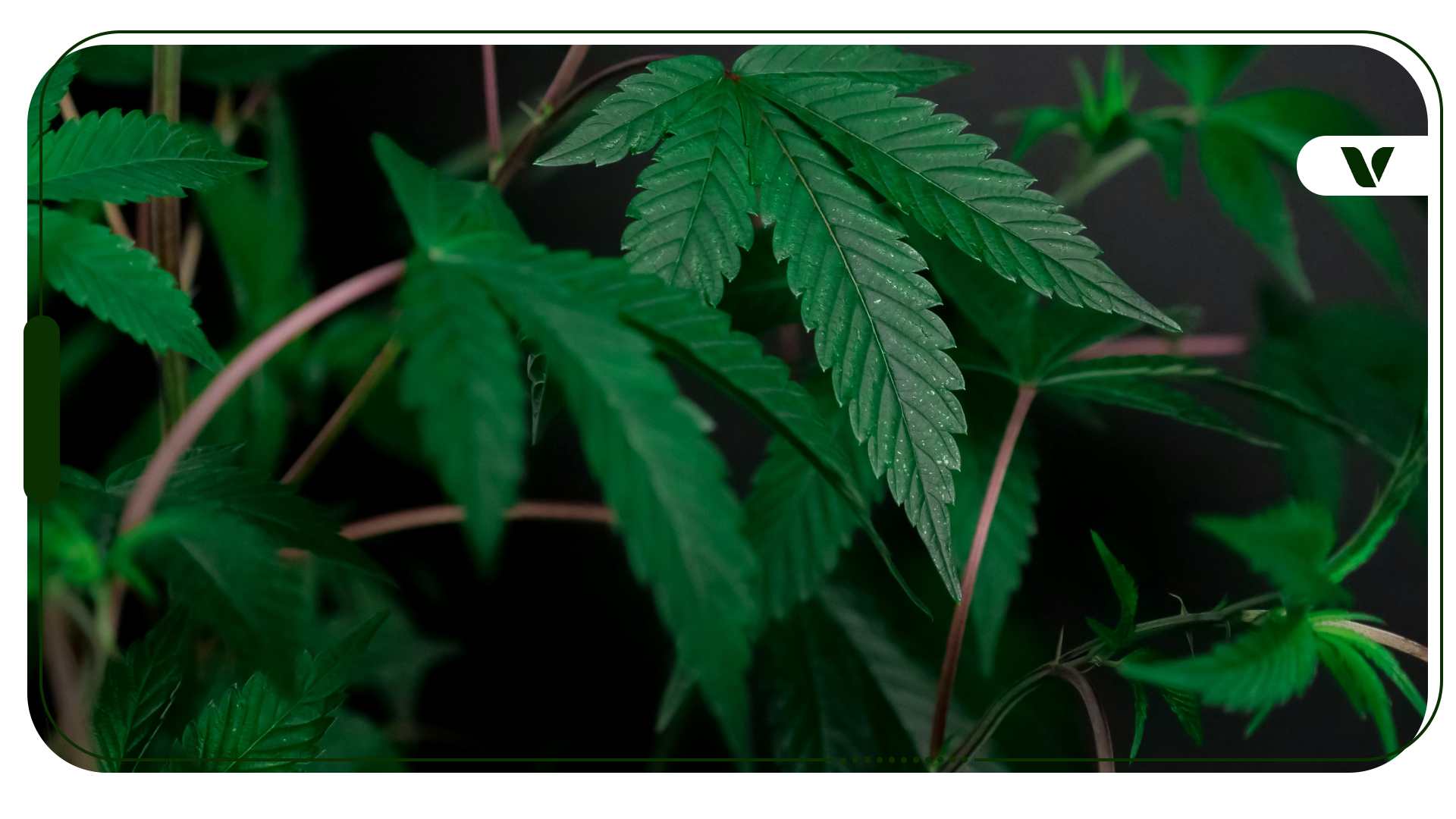
Fan leaves and sugar leaves are two distinct parts of the cannabis plant, and understanding which is which helps you use them correctly. Fan leaves are the large, multi-fingered leaves that extend outward from the main stalk. They are the most visually recognizable part of the plant, known for their deep green color, and are abundant throughout the growing cycle.
Sugar leaves, by contrast, are the small leaves that grow directly from and around the buds, and they get their name from the visible coating of cannabis trichomes that gives them a frosted, sugar-dusted appearance.
That trichome density is the key difference in practical terms. Sugar leaves carry a far higher concentration of cannabinoids and terpenes than fan leaves, which is why they are more commonly used in concentrate and extract production. Fan leaves have a lower cannabinoid concentration but are larger, more abundant, and better suited to culinary and wellness applications like juicing, tea, and topicals.
If you are trimming a plant and want to use what you collect, sugar leaves are the more potent option for extraction, while fan leaves are the better fit for the preparation methods covered below.
Health Benefits of Eating Cannabis Fan Leaves
Fan leaves offer a set of health-relevant properties that come from their combination of cannabinoids, flavonoids, and nutrients. None of these should be understood as guaranteed therapeutic outcomes, but the underlying phytochemistry is real, and the mechanisms are grounded in documented plant science.
Antioxidant Properties
Antioxidants protect cells from oxidative stress and its links to aging and chronic conditions, according to nutrition research. Cannabis fan leaves contain flavonoids and vitamin C, both of which contribute antioxidant activity. Research suggests the flavonoids in cannabis, including the cannflavins unique to the plant, may contribute meaningfully to this protective effect when the leaves are consumed as part of a regular dietary routine.
Anti-Inflammatory Properties
The anti-inflammatory potential of cannabis compounds has been one of the more studied areas in cannabis science. THCA, found in raw fan leaves, may carry anti-inflammatory properties before it ever converts to THC, which means consuming the leaves raw could deliver that effect without any psychoactive component. Evidence indicates this is a promising area of research rather than a confirmed clinical outcome, so framing fan leaf consumption as a dietary addition rather than a treatment is the appropriate lens.
Entourage Effect
The entourage effect refers to the way cannabinoids, terpenes, and flavonoids may work together to produce a combined effect greater than any single compound in isolation. Fan leaves contain all three categories of these compounds, even at lower concentrations than the flower. This means consuming whole fan leaves, rather than an isolated extract, may allow you to benefit from that synergy in a mild, non-intoxicating form.
How To Use Cannabis Fan Leaves at Home
The practical value of fan leaves shows up most clearly in how you prepare them. Because they are non-intoxicating when raw and nutritionally similar to other leafy greens, they work well in several preparation methods that most cannabis consumers have never tried.
You can also make use of leftover cannabis trimmings from a harvest rather than discarding them.
Juicing Raw Fan Leaves
Juicing is one of the most direct ways to consume the raw cannabinoids and nutrients in fan leaves without applying any heat. The process is straightforward, and the resulting juice can be consumed on its own or added to another drink.
- Collect fresh, clean fan leaves and rinse thoroughly.
- Add the leaves to a cold-press juicer, not a centrifugal juicer, since heat from centrifugal blades can begin degrading sensitive compounds.
- Juice the leaves with a small amount of water or mild fruit juice to balance the bitter, grassy flavor.
- Drink immediately or refrigerate for up to 24 hours.
- Start with a small amount, around one to two ounces, to see how your body responds before increasing the quantity.
The practical tip most guides skip: the flavor of raw cannabis leaf juice is intensely grassy and bitter on its own. Pairing it with cucumber, apple, or lemon makes a significant difference.
Brewing Cannabis Leaf Tea
Cannabis leaf tea is a gentle preparation method that extracts some of the water-soluble compounds from the leaves without full decarboxylation. The result is a mild, earthy drink rather than an intoxicating one.
- Bring two cups of water to a low simmer, not a rolling boil.
- Add five to seven fresh or dried fan leaves.
- Let the leaves steep for 10 to 15 minutes.
- Strain and serve. Add honey, ginger, or lemon to taste.
- Adding a small amount of fat, such as a splash of whole milk or coconut oil, can improve absorption of the fat-soluble compounds present.
The lower simmer temperature matters here. A full boil can begin breaking down some of the more delicate flavonoids you are trying to preserve.
Blending Into Smoothies
Smoothies are the most accessible entry point for people who want to try cannabis fan leaves without dealing with the raw flavor directly. The leaf blends easily with fruit and masks most of the bitterness.
- Wash and dry two to three fresh fan leaves.
- Add them to a blender with your standard smoothie ingredients: frozen fruit, banana, yogurt, or a plant-based milk all work well.
- Blend on high until smooth. The leaves should fully incorporate without leaving visible fibrous pieces.
- Add a small amount of cannabis-infused coconut oil if you want to include a fat source that also adds a cannabis component.
- Drink immediately.
Fan leaves can also serve as a direct substitute for spinach or kale in any green smoothie recipe, which means the transition from your current routine is minimal.
Simple Topical Application
Fan leaves can be applied topically by creating a basic leaf poultice or infused oil intended for external use, not consumption. This method does not deliver cannabinoids systemically but may offer localized relief through direct contact with the skin.
- Blend or finely crush fresh fan leaves into a paste.
- Apply the paste directly to the skin area you want to treat and cover with a clean cloth.
- Leave in place for 20 to 30 minutes, then rinse with warm water.
- Alternatively, simmer fan leaves in a carrier oil such as olive or coconut oil over low heat for one to two hours, then strain and allow to cool before applying to skin.
The leaf paste method is the simplest starting point. The infused oil takes more preparation but stores for several weeks and is easier to apply repeatedly.
Are Fan Leaves Okay To Smoke?
Technically, fan leaves can be smoked, but smoking them is generally not recommended by most experienced cannabis users. The leaves produce a harsh, rough smoke with a very low cannabinoid payoff relative to flower or even sugar leaves. The low trichome density on fan leaves means you are burning a lot of plant material for minimal effect, and the resulting smoke is noticeably unpleasant compared to cured flower.
The preparation methods covered earlier in this article make far better use of what fan leaves actually contain. Juicing, tea, and smoothies preserve the raw cannabinoids and nutrients you want from fan leaves. Smoking destroys most of that nutritional value and delivers a poor experience in return.
If you are wondering about defoliation during cultivation, the decision to remove fan leaves from a living plant depends on the growth stage and the specific goals of the grow. For a closer look at how different parts of the cannabis plant function, the cannabis plant anatomy guide covers the structure in detail.
If you are interested in exploring the full range of cannabis wellness options, speak with a cannabis-knowledgeable physician who can help you find the right approach for your needs.
Note: The content on this page is for informational purposes only and is not intended to be professional medical advice. Do not attempt to self-diagnose or prescribe treatment based on the information provided. Always consult a physician before making any decision on the treatment of a medical condition.
Note: Veriheal does not support illegally consuming therapeutic substances such as cannabis but acknowledges that it transpires because of the current illicit status, which we strive to change by advocating for research, legal access, and responsible consumption. Always consult a physician before attempting alternative therapies.
Frequently Asked Questions
Are there any benefits to eating cannabis fan leaves?
Cannabis fan leaves contain raw tetrahydrocannabinolic acid (THCA) and cannabidiolic acid (CBDA), vitamins C and K, iron, fiber, flavonoids, and antioxidants. Eating or juicing them may deliver anti-inflammatory and antioxidant benefits without producing psychoactive effects, since the cannabinoids in raw, unheated leaves have not been converted to tetrahydrocannabinol (THC) or cannabidiol (CBD). They are best used as a dietary addition rather than a treatment.
What are the health benefits of juicing cannabis leaves?
Juicing raw cannabis fan leaves preserves the tetrahydrocannabinolic acid (THCA), cannabidiolic acid (CBDA), flavonoids, and nutrients in the leaf without applying heat, which means none of the raw cannabinoids convert to their psychoactive forms. Research suggests THCA and CBDA may carry anti-inflammatory properties in their raw state. Juicing is one of the most direct ways to consume the leaf’s nutritional content in a single serving.
What are the benefits of cannabis leaf smoothies?
Adding cannabis fan leaves to a smoothie delivers the same nutritional and phytochemical content as juicing but in a more palatable form, since the flavor blends easily with fruit and other ingredients. Fan leaves function similarly to spinach or kale in a green smoothie, contributing fiber, vitamins, and plant compounds. They are non-intoxicating when raw, so the smoothie will not produce psychoactive effects.
Can you smoke cannabis fan leaves?
Smoking fan leaves is generally not recommended. They have very low trichome density, which means minimal cannabinoid content, and they produce a harsh smoke relative to flower or sugar leaves. Juicing, brewing as tea, or blending into smoothies are more effective ways to use fan leaves and preserve their nutritional profile.
Author, Share & Comments