1-855-452-6224 (Customer Support Available 24/7)


According to Statista’s projections for the United States, the medical cannabis market will soar in value to more than $11 billion by 2024—double the revenue reported in 2019. The recreational cannabis industry is also on a winning streak, with revenue from the adult-use sector amounting to a record $17.5 billion last year.
While individuals below age 21 cannot legally purchase and use recreational cannabis, one of the benefits of having a medical marijuana (MMJ) card is that the age restrictions are lower. With an MMJ card, registered medical marijuana patients can benefit from legal protection, regular access to quality medicinal cannabis, lower purchase costs due to sizeable tax savings, and higher possession limits.

At the current time, many states in the U.S. only permit residents to possess medical cannabis at a certain age. The 36 states that have enacted legal medical cannabis programs impose an age limit of 18 years for any patient hoping to obtain their medicine. Additionally, patients must have a qualifying condition.
Once you’ve checked your state’s requirements and regulations for MMJ, the next step is making an appointment with a licensed medical cannabis doctor. In many states with active medical cannabis markets, it is possible to organize a meeting with healthcare practitioners via telehealth. That way, you can complete the entire medical marijuana card application process from the comfort of your home, through a telehealth appointment and online application.
To reduce the chances of wasting your time on an unsuccessful visit to a medical cannabis doctor, it is essential that you prepare for the visit. A number of important documents need to be shown to the doctor during your appointment, including proof of identification in the form of a birth certificate, valid state driver’s license, valid state identification card, or military-issued ID card. Some of these forms can also be used to provide proof of residency. Documents such as bank statements and utility bills will also suffice.
Aside from presenting a suitable form of identification, medical marijuana card applicants ought to gather any necessary medical documentation to prove they are eligible for a medical cannabis prescription. Examples include:
In the event of a successful medical marijuana patient application, payment will be required. Check, credit card, online payments, and money orders are usually accepted for state-issued cards.
So long as a doctor is licensed to perform professional duties in a state that has legalized medical cannabis, he or she can write a recommendation for new patients. Nonetheless, only once the doctor has diagnosed a patient with one of the listed illnesses can they write a recommendation.
Always read up on cannabis laws in your home state before trying to get a written recommendation. Depending on the state in which you reside, the list of qualifying conditions will differ. The following are some of the most common qualifying conditions for medical cannabis:
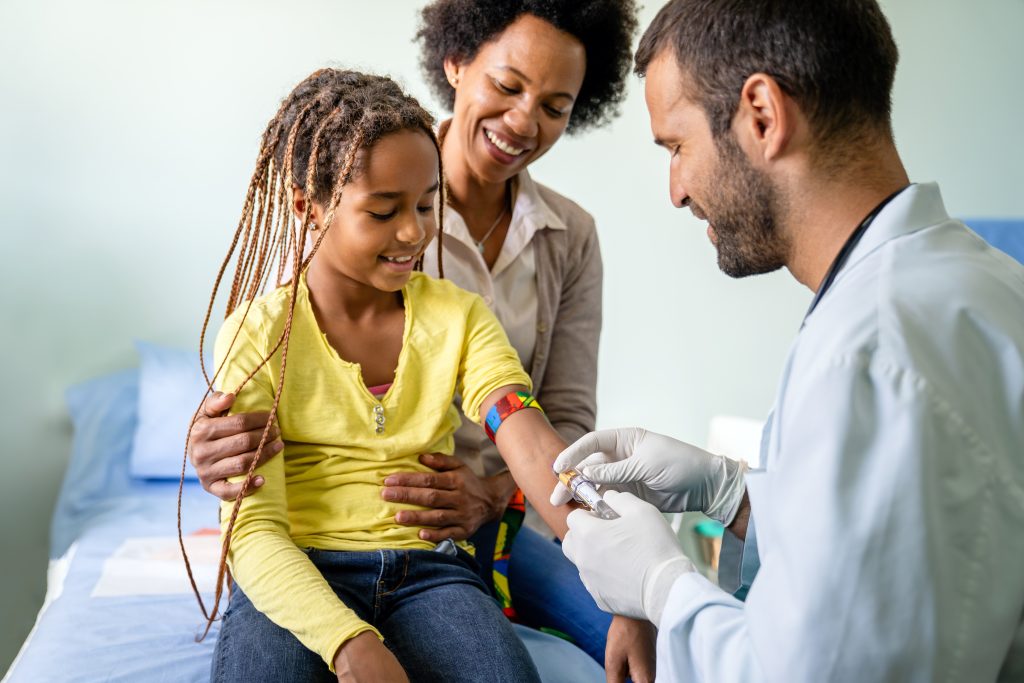
Only after alternative treatment methods have been tried and exhausted can someone under the age of 18 apply for an MMJ card. Once again, the requirements vary by state. However, a child who fulfills the eligibility criteria in their state of residence can apply to use the plant in its medicinal form.
Cannabis is the second most commonly used intoxicant in adolescent communities. The subject of whether or not cannabis causes negative cognitive influences on younger consumers is still up for debate, and such concerns have resulted in legal states imposing age restrictions on MMJ card applicants.
Despite the fact that the plant has been shown to improve health and quality of life in adult patients with widespread medical conditions and diseases, questions linger about the impact of the psychoactive component tetrahydrocannabinol (THC) on developing brains. This is because unlike adults, teens have immature brains and endocannabinoid systems that could react to cannabinoids differently than those in full-grown adults.
Few long-term studies have been conducted on teens using cannabis, but those that exist have very mixed findings. One study conducted at the Harvard Center for Addiction Medicine found through MRIs that 18- to 25-year-olds who smoked marijuana at least once per week had changes in their brain regions associated with addiction. However, a replication of the study at the University of Colorado Boulder controlled for alcohol intake and found no physical changes in the brains of young adult smokers.
According to the American Psychological Association (APA), “the case against marijuana isn’t closed.” While researchers are still exploring the effects of THC on developing brains, most agree that cannabidiol (CBD) remains a safe option for minors since it does not alter the mind.
In some states, a minor can only get a medical cannabis card if they have obtained the approval of a pediatrician, primary care physician (PCP), and a legal parent or guardian. Additionally, underage individuals should be accompanied by a parent or legal guardian at their MMJ doctor consultation. Though the application process is similar, minor patients need to communicate to their health care provider that they are applying with a certified caregiver.
Upon meeting their state’s requirements, minors can register online via telemedicine to consult with a licensed physician. Post-examination, the physician will either reject the application or award the applicant with a medical cannabis recommendation or physician certification form. Additionally, all recipients must register with the state Department of Health’s MMJ program by filling out the minor application to get their registry card.
Minors are also required to have a qualified caregiver who maintains important responsibilities in attending to their wellbeing. The majority of states require that registered caregivers be at least 21 years old, but caregivers do not have to be related to the minor. Certain states request that a Caregiver Core Certification Course is completed before filling out the caregiver application.
To qualify as a caregiver, a person should be:
As more research explores the safety and efficacy of medical cannabis, particularly for minors, we will likely see more laws at the state and federal levels that grant patient access. Until this time, refer to your local state medical marijuana program and consult a trusted company like Veriheal that specializes in MMJ.
Many states require patients to be at least 18 or 21 years of age to apply for a medical marijuana card. However, in most states, patients younger than 18 can apply with a certified caregiver.
Minor patients can apply for medical marijuana with a certified caregiver. However, The Substance Abuse and Mental Health Services Administration (SAMHSA) suggests that marijuana use before age 18 is a critical risk period that is associated with future dependence and abuse
Only healthcare providers certified with your state can prescribe medical cannabis. Veriheal can help you find a medical marijuana doctor in your area.
This article was originally published in 2022 and most recently updated March 2024.
Sign up for our newsletter
Learn the process in your state
All Rights Reserved Veriheal Inc. ©
Terms Privacy Policy Advertising Agreement Content Disclamer

Get your medical marijuana card today
Sign up in under 5 minutes
Start By Selecting Your State
 Alabama
Alaska
Arizona
Arkansas
California
Colorado
Connecticut
Delaware
Florida
Georgia
Hawaii
Idaho
Illinois
Indiana
Iowa
Kansas
Kentucky
Louisiana
Maine
Maryland
Massachusetts
Michigan
Minnesota
Mississippi
Missouri
Montana
Nebraska
Nevada
New Hampshire
New Jersey
New Mexico
New York
North Carolina
North Dakota
Ohio
Oklahoma
Oregon
Pennsylvania
Rhode Island
South Carolina
South Dakota
Tennessee
Texas
Utah
Vermont
Virginia
Washington
West Virginia
Wisconsin
Wyoming
Puerto Rico
Alabama
Alaska
Arizona
Arkansas
California
Colorado
Connecticut
Delaware
Florida
Georgia
Hawaii
Idaho
Illinois
Indiana
Iowa
Kansas
Kentucky
Louisiana
Maine
Maryland
Massachusetts
Michigan
Minnesota
Mississippi
Missouri
Montana
Nebraska
Nevada
New Hampshire
New Jersey
New Mexico
New York
North Carolina
North Dakota
Ohio
Oklahoma
Oregon
Pennsylvania
Rhode Island
South Carolina
South Dakota
Tennessee
Texas
Utah
Vermont
Virginia
Washington
West Virginia
Wisconsin
Wyoming
Puerto Rico