1-855-452-6224 (Customer Support Available 24/7)

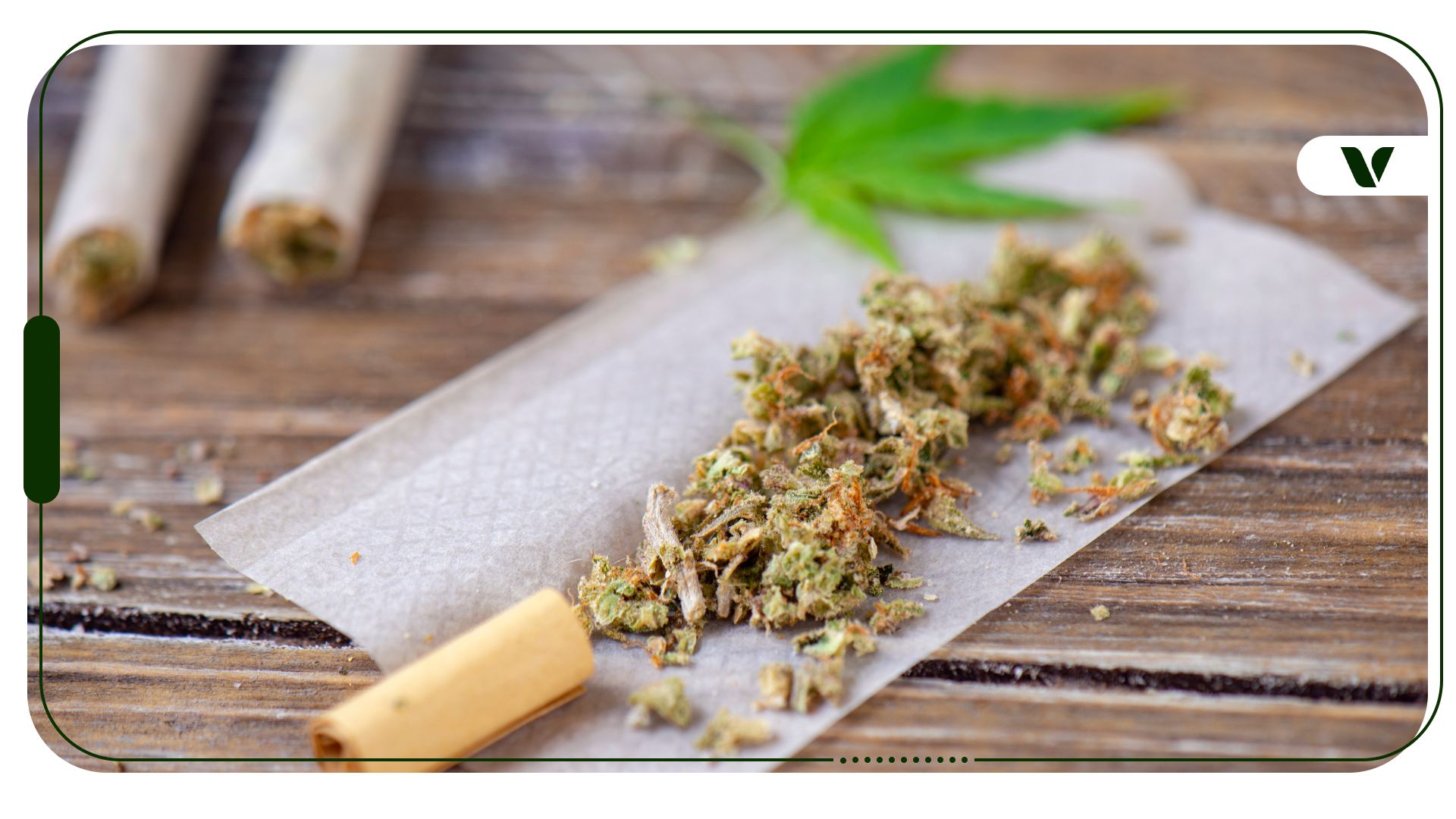
Running out of rolling papers does not mean the session ends. Some natural materials work as substitutes, but only plant-based, additive-free options burn cleanly enough to use safely.
This guide covers which materials are safe, which ones to avoid, and how to pick the right rolling papers when you do have access to them.
Not all materials work as a safe substitute when papers are not available. A few natural options hold shape, burn evenly, and avoid added chemicals, which makes them suitable for short sessions.
Corn husks are a natural, plant-based alternative with no added chemicals or processing. They burn slowly and hold their shape when dampened slightly before rolling.
Trim them to size before rolling. Their thicker texture supports an even burn and works well for longer sessions.
Hemp wraps offer a plant-based option that is widely available at dispensaries and smoke shops. They are thicker than most rolling papers, which helps create a slower and more controlled burn.
Unflavored wraps avoid additives and offer a cleaner smoking experience. Flavored versions include extra ingredients that affect taste and overall quality. The global hemp market grows steadily, with projections showing it will reach $71.53 billion by 2034, highlighting increased demand for hemp-based products.
Rose petals offer a natural, tobacco-free option with a light floral taste. When layered together, they form a workable surface that can hold ground cannabis. A short drying process helps improve texture and usability.
This method has gained attention across social platforms, with millions of views showing how often it is used as an alternative. It works best for smaller rolls due to the delicate structure of the petals.
Bamboo leaves offer a clean, neutral smoking option with strong natural fibers. They burn more slowly than standard papers, which extends the session.
While less common, they are becoming easier to find as demand for sustainable materials grows. Bamboo remains one of the fastest-growing plants, which supports its use as a renewable option. Its durability helps maintain structure during rolling, especially when using a natural alternative.
Fruit or vegetable pipes let you skip rolling material entirely. Most people choose apple pipes because they offer a firm texture, and you can easily shape them.
This method lets you smoke without burning any paper or wrap. Many users prefer this option for short sessions because it creates a simple, contained setup. It also protects you from exposure to any processed materials.
Not every material is safe to burn and inhale. Many common household items contain chemicals that release harmful byproducts when exposed to heat. You may not see these substances, but they can affect both the smoke and your health. Studies on paper processing show that treated papers can contain bleaching agents, inks, and coatings that are not meant for inhalation.
If a material was not made for combustion and inhalation, it does not belong in a joint.
The type of rolling paper you use affects burn rate, flavor, and overall smoke quality. Material, thickness, and additives all shape how a joint burns and tastes.
The base material shapes the entire experience. Hemp and rice papers use plant fibers and avoid heavy processing, which supports a cleaner burn. Wood pulp paper remains common but may contain bleaching agents, which makes it less desirable than natural alternatives. Many users lean toward hemp and rice due to lower chemical exposure.
Paper thickness controls how fast your joint burns. Thin papers burn more slowly and allow the flavor of your cannabis to come through. Thicker papers burn faster and can add a slight paper taste. Thin formats also require more control during rolling.
An even burn maintains a steady session without interruptions. Papers with a consistent fiber structure support a smoother burn and reduce uneven edges. Poor burn quality leads to wasted material and uneven airflow.
Some rolling papers contain bleaching agents, dyes, or flavoring compounds. Unbleached and additive-free options reduce exposure to these substances. Studies on paper composition show that pulp treatments and additives can alter smoke components like phenols and CO yields.
Surface texture affects how well the paper holds during rolling. Slightly textured papers provide better grip and help maintain shape. Smooth papers can slip during handling and require more precision, especially when using traditional rolling papers.
Paper size determines how much cannabis you can use in a single roll. Standard sizes are suitable for solo sessions, while king-size papers are better for longer sessions or group use. Pre-rolled cones offer a consistent shape for those who prefer a simpler setup.
The way you roll your joint shapes how it smokes, its flavor, and the overall session. Rolling with care leads to a more even burn and helps you get the most from your cannabis. Even small adjustments can bring out the best in your smoking experience.
A well-rolled joint supports a smoother burn and a more consistent smoking experience.
Running out of rolling papers does not limit your options, but it does change what matters. The material you use affects what you inhale, how your cannabis burns, and how consistent your session feels. Natural options that avoid chemical treatment support a cleaner burn and reduce exposure to unwanted substances.
Access to the right information helps you make safer choices when standard options are not available. If you want guidance tailored to your needs, you can connect with a licensed physician. Find a doctor today on Veriheal.
No. Most household paper contains bleaching agents, dyes, and sizing chemicals that produce harmful byproducts when burned. Natural, additive-free materials are a safer option.
Parchment paper is often coated with silicone, which releases fumes when heated. Corn husks or hemp wraps are cleaner options that were made for this purpose.
Unbleached hemp or rice papers, free of additives, are considered the cleanest smoking options. They avoid the bleaching agents in wood pulp papers.
Hemp wraps burn slower and last longer. Rolling papers, especially rice, are thinner and produce lighter smoke. Choose based on your preferred burn and flavor.
Sign up for our newsletter
Learn the process in your state
All Rights Reserved Veriheal Inc. ©
Terms Privacy Policy Advertising Agreement Content Disclamer

Get your medical marijuana card today
Sign up in under 5 minutes
Start By Selecting Your State
 Alabama
Alaska
Arizona
Arkansas
California
Colorado
Connecticut
Delaware
Florida
Georgia
Hawaii
Idaho
Illinois
Indiana
Iowa
Kansas
Kentucky
Louisiana
Maine
Maryland
Massachusetts
Michigan
Minnesota
Mississippi
Missouri
Montana
Nebraska
Nevada
New Hampshire
New Jersey
New Mexico
New York
North Carolina
North Dakota
Ohio
Oklahoma
Oregon
Pennsylvania
Rhode Island
South Carolina
South Dakota
Tennessee
Texas
Utah
Vermont
Virginia
Washington
West Virginia
Wisconsin
Wyoming
Puerto Rico
Alabama
Alaska
Arizona
Arkansas
California
Colorado
Connecticut
Delaware
Florida
Georgia
Hawaii
Idaho
Illinois
Indiana
Iowa
Kansas
Kentucky
Louisiana
Maine
Maryland
Massachusetts
Michigan
Minnesota
Mississippi
Missouri
Montana
Nebraska
Nevada
New Hampshire
New Jersey
New Mexico
New York
North Carolina
North Dakota
Ohio
Oklahoma
Oregon
Pennsylvania
Rhode Island
South Carolina
South Dakota
Tennessee
Texas
Utah
Vermont
Virginia
Washington
West Virginia
Wisconsin
Wyoming
Puerto Rico