1-855-452-6224 (Customer Support Available 24/7)


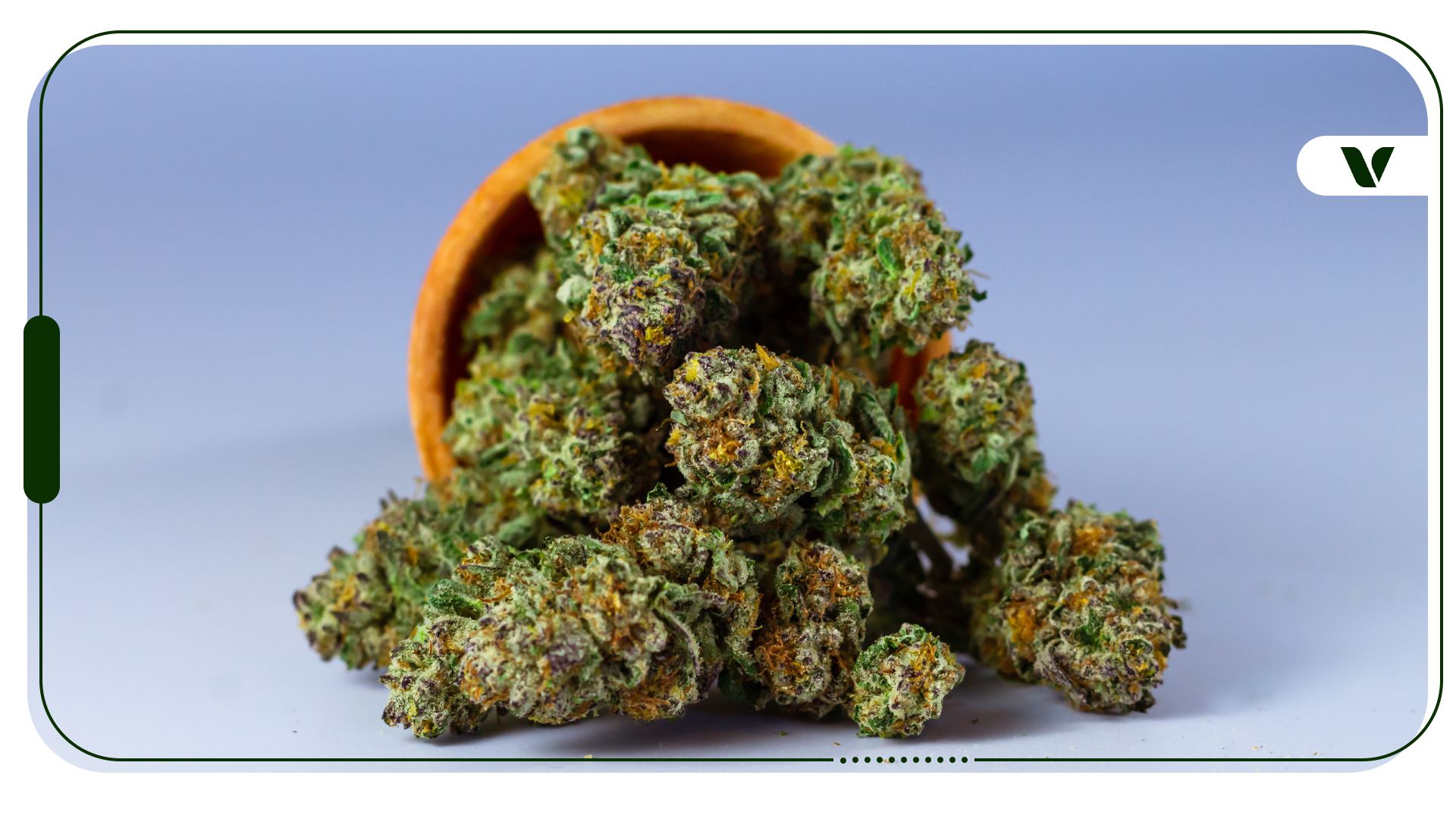
Although THC and CBD dominate cannabis research, scientists have identified almost 200 other cannabinoids, many of which provide targeted health benefits.
Minor cannabinoids, present in smaller amounts, play a crucial role in cannabis’s therapeutic effects. However, they aren’t minor in terms of potential effects, just minor in quantity. As research advances, scientists discover new ways these compounds support health and enhance wellness.
This article explores minor cannabinoids, highlights some of the most promising ones, and explains their significant therapeutic potential.
Cannabinoids are naturally occurring chemical compounds found in the cannabis plant that produce effects in the body by interacting with the endocannabinoid system (ECS). Most minor cannabinoids actually work through the expanded endocannabinoidome, made up of dozens of other cannabinoid-sensitive receptors and enzymes besides just CB1 and CB2.
Overall, these complex systems play a key role in regulating functions like:
A cannabis product’s therapeutic effects largely depend on its cannabinoid and terpene types and levels, which may come from whole-plant extracts (preferred), or distillates or isolates that generally lack terpenes and other beneficial, whole-plant components. These products can also boost the body’s endocannabinoids by slowing down our enzymes., In severe conditions, some may be prescribed lab-made sources (pharmaceutical cannabinoids).
After consumption, cannabinoids bind to specific receptors within the ECS—primarily CB1 receptors in the brain and nervous system, and CB2 receptors in the immune system.
For example, tetrahydrocannabinol (THC), the most well-known cannabinoid, binds mainly to CB1 receptors and is responsible for the plant’s psychoactive effects. A few THC-type minor cannabinoids, like CBN and THCP, work similarly because of their structure.
On the other hand, cannabidiol (CBD) interacts with ECS enzymes and many non-ECS targets to boost natural endocannabinoids and provide therapeutic benefits without causing a high.
Most minor cannabinoids work more similarly to CBD in these respects, and many don’t cause a high (e.g., CBDA, CBGA, CBG, etc.), but a few can. Many whole-plant compounds, including minor cannabinoids and terpenes, work through a slight degree of CB1/CB2 activity, but more so on dozens of non-CB targets like serotonin receptors, dopamine receptors, GABA, TRP, and more to provide relief without intoxicating effects.
Minor cannabinoids may be found in much smaller amounts than major ones like THC and CBD, but their impact on the body and mind can be just as significant.
These minor cannabinoids work together with other cannabinoids to enhance therapeutic effects through what’s known as the “entourage effect.” This can amplify benefits such as pain relief, better sleep, reduced inflammation, and overall wellness.
While THC and CBD dominate most cannabis conversations, the plant contains over 100 other cannabinoids, many of which show unique and promising properties. Research into minor cannabinoids continues to grow, with preclinical and early clinical studies pointing to their potential in treating conditions like chronic pain, inflammation, neurodegenerative diseases, and even cancer.
While THC and pharmaceutical cannabis-based drugs like dronabinol (e.g, synthetic THC, Marinol®, Syndros®) and nabiximols (Sativex®, 1:1 THC:CBD) demonstrate therapeutic potential, many users remain concerned about the psychoactive effects of delta-9-THC. As a result, researchers and consumers are turning to minor cannabinoids.
These compounds may offer therapeutic benefits without unwanted side effects, targeting dozens of other receptors such as G protein-coupled (GPRs) and ion channels. Scientists are still researching to understand precisely how they work.
Thanks to synthetic biology and microbial engineering advances, scientists can now make new cannabinoids more easily and efficiently. This progress makes it possible to develop personalized cannabis therapies designed for a person’s specific health needs and delivered in various forms, such as patches, vaporizers, and creams. One promising area is women’s reproductive health, where early efforts aim to relieve menstrual pain and conditions like endometriosis.
Although minor cannabinoids show promise, limited human studies and costly extraction remain key challenges. Rising demand for targeted, functional cannabis will hopefully spark continued research into all aspects of minor cannabinoids. Although these compounds occur in small amounts, they offer significant potential for the future of cannabis therapy.
The cannabis industry is increasingly embracing the “Big Four” minor cannabinoids—CBC, CBN, CBG, and THCV—for their unique properties and promising health benefits.
Although CBG and CBN are also historically categorized in the “Big Four” major cannabinoids, including THC, CBD, CBG, and CBC – these are terms that are currently being redefined and are also lumped altogether into the “Big Six” depending on who you ask.
THCV is a cannabinoid found mainly in Sativa strains of cannabis, particularly those descending from South African landrace strains. THCV has a slightly different structure than THC, making it non-psychoactive at low doses, but some research suggests it’s mildly intoxicating at higher doses.
THCV interacts with the body’s endocannabinoid system and endocannabinoidome (eCBome), mainly targeting the CB1 and CB2 receptors, but also TRP and more. At lower doses, it blocks the CB1 receptor, which may reduce appetite and counteract some of THC’s effects. It activates the same receptor at higher doses, producing more stimulating effects.
Scientists are studying THCV for its wide range of potential health benefits that come from eCBome targets. Research suggests it may help with appetite suppression, weight management, blood sugar regulation, and increased energy and focus. Early studies also point to possible uses for anxiety relief, mood improvement, and even neuroprotection.
THCV may benefit people managing conditions like diabetes, epilepsy, Parkinson’s disease, and Alzheimer’s disease. While it shares some similarities with THC, THCV stands out for its more targeted effects and lower risk of intoxication, making it an exciting compound for future cannabis-based therapies.
Potential therapeutic benefits include:
READ: What You Should Know About CBG and Its Health Benefits
CBG, or cannabigerol, is a non-psychoactive cannabinoid found naturally in the cannabis plant. Often referred to as the “mother of all cannabinoids,” CBG acts as the chemical precursor to major cannabinoids like THC and CBD.
Researchers have found that CBG exhibits anti-inflammatory and analgesic properties, which may help reduce pain and inflammation. Early studies and anecdotal reports also suggest that CBG promotes a calming effect and may help alleviate anxiety and stress. The first clinical study on CBG by Russo et al. in 2024 shows that just 20mg of hemp-derived CBG relieves anxiety and stress in healthy adults.
Scientists are investigating CBG’s ability to protect brain cells and support cognition, showing promise for conditions like Parkinson’s and Alzheimer’s. Unlike CBD, CBG may boost appetite, offering potential benefits for those with illness-related appetite loss.
Researchers are actively studying CBG for its potential to treat glaucoma, IBD, and skin conditions, while early evidence and user reports often point to its calming, stress-relieving effects.
Potential therapeutic benefits include:
CBN, or cannabinol, forms when THC breaks down after exposure to oxygen, light, or heat, making it more common in aged cannabis than fresh flower.
Though only mildly psychoactive, CBN is gaining attention as a natural sleep aid and sedative. Unlike melatonin, which indirectly supports sleep, CBN binds directly to the CB1 receptor in the brain, potentially promoting rest without next-day grogginess. While some studies question whether CBN alone can encourage sleep, it may work better when combined with THC or other cannabinoids due to the entourage effect.
This might explain why many people report better sleep with full-spectrum cannabis products that include CBN. Research also suggests that CBN may offer additional therapeutic benefits, including pain relief, appetite stimulation, antibacterial effects, and even a possible role in managing glaucoma by reducing intraocular pressure.
Though researchers have studied CBN less than THC and CBD, early findings suggest it’s a low-risk cannabinoid option worth exploring, especially for those seeking alternatives to traditional sleep aids. More clinical research is needed to confirm its safety, effectiveness, and how it works.
Potential therapeutic benefits include:
Cannabichromene (CBC), a non-intoxicating cannabinoid derived from CBGA, is gaining interest for its therapeutic potential. Unlike THC, CBC binds weakly to CB1 receptors and targets TRPV1 and TRPA1 receptors involved in pain and inflammation, possibly enhancing endocannabinoids like anandamide.
Research shows CBC may relieve pain, reduce inflammation, fight bacteria, prevent seizures, and act as an antidepressant. Animal studies suggest it supports brain health by promoting neural stem cells, which play a key role in brain repair and may help defend against conditions like Alzheimer’s.
CBC may also improve skin health. Lab studies show it helps reduce acne by calming inflamed sebaceous glands and limiting excess oil production, without the side effects of common acne treatments.
CBC may work best alongside other cannabinoids, enhancing the effects of THC and CBD through the entourage effect. Combined, CBC and THC show more substantial anti-inflammatory benefits, and early research suggests the trio may boost antidepressant effects.
Though not widely featured yet, CBC shows promise for treating neurodegenerative diseases, potentially positioning it for a bigger role in future cannabis medicine.
Potential therapeutic benefits include:
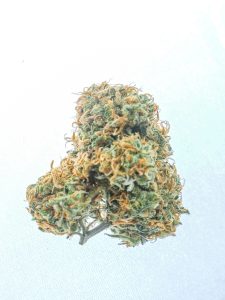
CBDV, a non-intoxicating cannabinoid structurally similar to CBD, demonstrates significant anticonvulsant properties in preclinical studies. Research indicates its potential in managing epilepsy and autism spectrum disorders (ASD) by modulating brain excitatory-inhibitory systems, which are often implicated in ASD.
CBGV is a homolog of CBG and interacts with the body’s endocannabinoid system. Studies suggest that CBGV may enhance the effects of CBG, particularly in modulating CB1 and CB2 receptors.
THCA is the non-psychoactive precursor to THC, found in raw cannabis. It exhibits anti-inflammatory and neuroprotective properties, potentially beneficial in managing conditions like Huntington’s disease. Unlike THC, THCA does not produce a high, making it a subject of interest for therapeutic applications without psychoactive effects.
The raw, acidic parent of CBD shares a lot of familiar potential benefits for anxiety, seizures, and more. CBDA may also be better absorbed and more efficacious than neutral CBD. For instance, it is 1000x more active at the serotonin receptor in animal models, which is important for controlling mood, depression, digestion, and nausea.
CBDA is formed through the oxidation of THCA over time. While research on CBNA is limited, it is recognized as a precursor to CBN, which is being studied for its potential sedative, ocular, and therapeutic effects.
CBCV is structurally similar to CBC and is under investigation for its potential anticonvulsant and anti-inflammatory properties. Preliminary study suggests it may behave like CBC and contribute to the entourage effect when combined with other cannabinoids, enhancing overall therapeutic outcomes.
Delta-8 THC is a cannabinoid with milder psychoactive effects compared to Delta-9 THC. Research indicates its efficacy in reducing nausea and vomiting, particularly in chemotherapy patients, with fewer side effects. Its anxiolytic properties also make it a subject of interest for anxiety management in THC-sensitive people.
Delta-10 THC is another cannabinoid with even milder psychoactive effects. Anecdotal evidence suggests it may enhance focus and creativity, though scientific research is still in early stages.
CBL is a non-intoxicating cannabinoid resulting from the degradation of CBC. While its biological activity is not well-documented, recent studies have begun to explore its potential, noting its unique structure and origin.
CBE is an oxidation product of CBD and is considered a minor metabolite, produced in larger quantities in cannabis smoke. Recent research suggests that CBE uniquely interacts with the CB1 receptor, suggesting it may affect the endocannabinoid system differently than other compounds.
THCP is a cannabinoid similar to THC but with a longer side chain, which helps it bind much more strongly to CB1 receptors. This increased potency suggests potential for therapeutic applications, though research is in the early stages.
Minor cannabinoids may be small in quantity, but their therapeutic promise is anything but minor.
They offer potential benefits like easing pain and inflammation, supporting brain health, and promoting emotional balance. These compounds are reshaping how we view cannabis medicine.
As research and innovation continue, minor cannabinoids could hold the key to more personalized, effective, and accessible cannabis therapies.
Sign up for our newsletter
Learn the process in your state
All Rights Reserved Veriheal Inc. ©
Terms Privacy Policy Advertising Agreement Content Disclamer


Get your medical marijuana card today
Sign up in under 5 minutes
Start By Selecting Your State
 Alabama
Alaska
Arizona
Arkansas
California
Colorado
Connecticut
Delaware
Florida
Georgia
Hawaii
Idaho
Illinois
Indiana
Iowa
Kansas
Kentucky
Louisiana
Maine
Maryland
Massachusetts
Michigan
Minnesota
Mississippi
Missouri
Montana
Nebraska
Nevada
New Hampshire
New Jersey
New Mexico
New York
North Carolina
North Dakota
Ohio
Oklahoma
Oregon
Pennsylvania
Rhode Island
South Carolina
South Dakota
Tennessee
Texas
Utah
Vermont
Virginia
Washington
West Virginia
Wisconsin
Wyoming
Puerto Rico
Alabama
Alaska
Arizona
Arkansas
California
Colorado
Connecticut
Delaware
Florida
Georgia
Hawaii
Idaho
Illinois
Indiana
Iowa
Kansas
Kentucky
Louisiana
Maine
Maryland
Massachusetts
Michigan
Minnesota
Mississippi
Missouri
Montana
Nebraska
Nevada
New Hampshire
New Jersey
New Mexico
New York
North Carolina
North Dakota
Ohio
Oklahoma
Oregon
Pennsylvania
Rhode Island
South Carolina
South Dakota
Tennessee
Texas
Utah
Vermont
Virginia
Washington
West Virginia
Wisconsin
Wyoming
Puerto Rico