1-855-452-6224 (Customer Support Available 24/7)


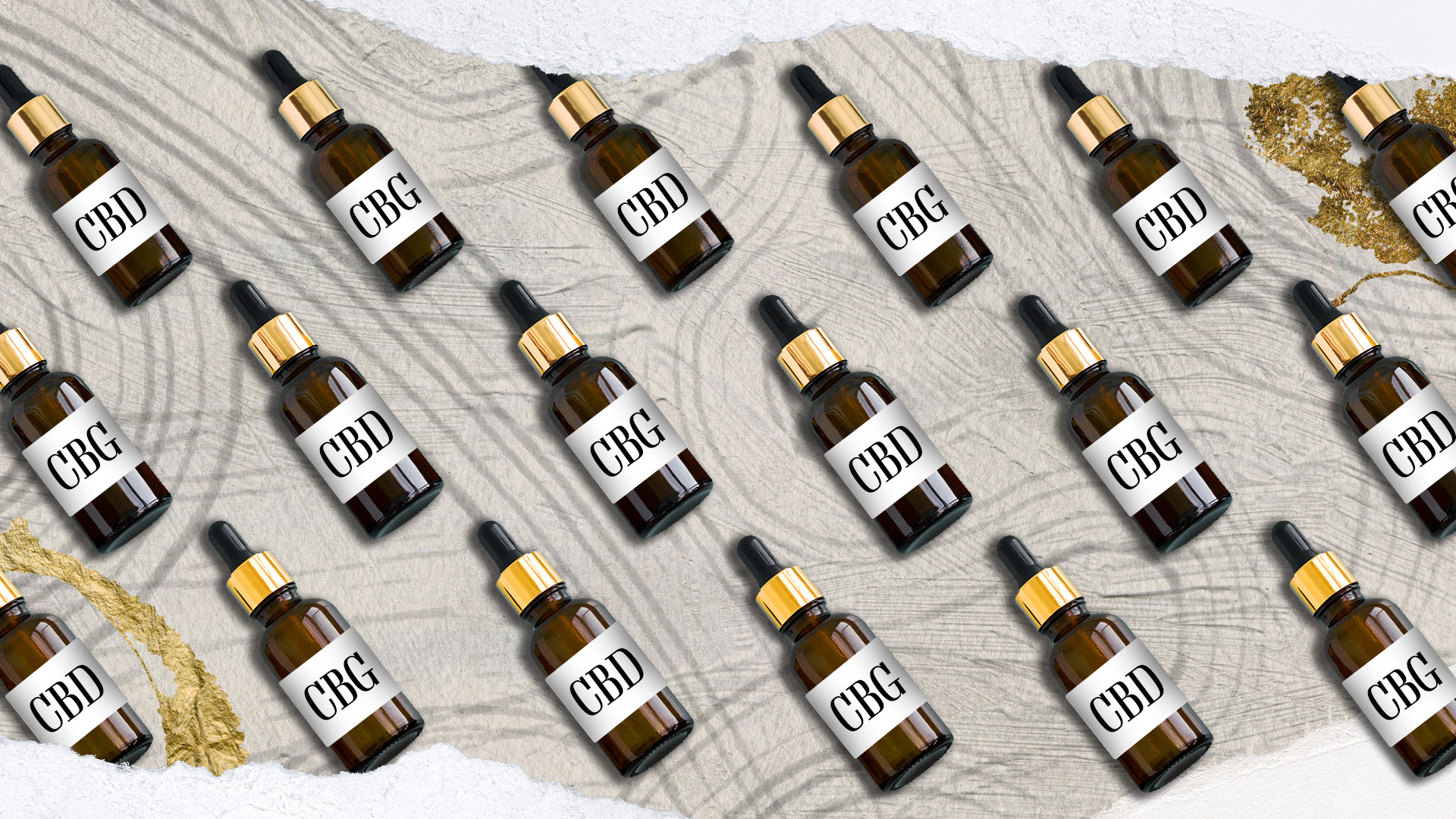
As the narrative around cannabis evolves from stigma to solution, two leading players, CBD (cannabidiol) and CBG (cannabigerol), are creating buzz without the euphoric “high.” These non-psychoactive cannabinoids are reshaping our understanding of cannabis’s role in wellness. So what exactly is CBG, and how does it differ from CBD? Let’s look closer at the wonders of CBD vs. CBG, shedding light on their potential to revolutionize health care.
CBG, or cannabigerol, plays a pivotal role in the cannabis plant’s chemistry, often referred to as the ‘starting point’ of other cannabinoids. In the early stages of the plant’s growth, CBG is present as cannabigerolic acid (CBGA), the precursor from which other major and minor cannabinoids are synthesized.
Through enzyme processes, CBGA undergoes transformation, ultimately giving rise to the more familiar cannabinoids like CBD, THC, and CBC.
This unique position as a precursor makes CBG crucial in the cannabis plant’s development, which highlights its importance in the cannabis family tree. In addition, despite its conversion into other cannabinoids, CBGA itself offers potential health benefits. This makes understanding their role fascinating and vital for future research.
The endocannabinoid system (ECS) plays a huge role in keeping balance in the human body, regulating functions such as:
Cannabis contains over 120 cannabinoids that influence the release of neurotransmitters in the brain, hormones, and endocannabinoids and hit many non-cannabinoid receptors in the body. Two cannabinoid receptors are present in the ECS, with CB1 and CB2 being the most significant.
CB1 receptors are primarily found in the brain and nervous system, influencing mood and cognition, while CB2 receptors are more common in the immune system, affecting inflammation and pain.
CBD interacts indirectly with CB1 and CB2 receptors, not by binding directly to them, but by enhancing the body’s own endocannabinoids and influencing other receptors.
In contrast, CBG directly interacts with both CB1 and CB2 receptors, albeit somewhat weakly.
As arguably the most popular non-psychoactive cannabinoid present in cannabis, CBD has gained significant attention in the medical community for its many potential benefits, including:
Even though CBD doesn’t act on CB1 or CB2, it has over 65 other targets in the body by which it can exert its anti-inflammatory, anti-addiction, neuroprotective, anticonvulsant, and immunomodulatory effects.
The best evidence for CBD comes from its FDA trials and approval in a purified pharmaceutical form called Epidiolex ®. It is FDA-approved in children ages 1 year and up for seizures from rare childhood epileptic syndromes (e.g., Lennox-Gastaut, Dravet, and tuberous sclerosis complex.)
CBG, though not as widely known, investigated, or abundant as CBD, has emerged with significant healing potential, including:
CBG has possible neurological benefits for various disorders due to its ability to:
This may help conditions like Huntington’s disease, Parkinson’s disease, and multiple sclerosis (MS).
CBG’s interaction with the ECS could offer new treatment avenues for:
By reducing gut inflammation and promoting the healing of intestinal cells, CBG could significantly improve the quality of life for people with symptoms of these debilitating conditions.
As interest in cannabinoid therapies grows, understanding the significant differences among CBD vs. CBG is crucial:
CBD is more commonly found in cannabis and is well-studied. On the flip side, CBG is somewhat rarer, comprising less than 1% of most strains. This rareness is because CBGA is a precursor to other cannabinoids like CBD and THC. And plants tend to prefer going down one cannabinoid pathway or another.
However, modern-day breeding techniques are able to give us type IV, or CBG-dominant, cannabis that is up to 100% CBG. So we could expect to see a flood of CBG products and research sooner rather than later.
There is a wealth of research on CBD, highlighting its benefits for conditions such as epilepsy and anxiety. As mentioned above, CBD has achieved the gold standard of medical research – FDA approval for specific childhood seizure conditions.
Conversely, CBG research is still technically in its infancy, but so far, it has indicated the possibility for neuroprotection, anti-inflammation, and antibacterial uses.
The first CBG clinical survey was published in 2023 by EB Russo. It suggests significant symptomatic relief for a variety of conditions. CBG was even reported as equal to or greater than conventional medications by patients.
CBD influences the body indirectly, supporting the ECS without causing psychoactive effects. CBG, however, directly interacts with CB1 and CB2 receptors, suggesting reasons for its potent therapeutic effectiveness.
Additionally, CBG and CBD have far-reaching effects on the rest of the body outside the ECS by interacting with key receptors in the endocannabinoidome. Their direct actions on serotonin, TRP, GPR, and other pain-relieving and anti-inflammatory receptors and targets are critical to their therapeutic potential.
Overall, while CBD is widely recognized and researched, CBG still has a lot to offer with its unique features and prospective medical uses.
In wrapping up our exploration of CBD vs. CBG, it’s clear these cannabinoids are more than just buzzwords in the natural health world. They offer a beacon of hope for various health concerns without the psychoactive effects traditionally associated with cannabis.
Whether seeking relief from chronic conditions, or anxiety, or looking for a natural supplement, CBD and CBG present promising options. The future of these compounds is bright, as ongoing studies and growing acceptance pave the way for new therapeutic possibilities.
CBG is thought to improve mental clarity and mood, as well as support energy and focus levels throughout the day.
No, CBG is a non-psychoactive cannabis compound that will not get you high.
Note: The content on this page is for informational purposes only and is not intended to be professional medical advice. Do not attempt to self-diagnose or prescribe treatment based on the information provided. Always consult a physician before deciding on the treatment of a medical condition.
Sign up for our newsletter
Learn the process in your state
All Rights Reserved Veriheal Inc. ©
Terms Privacy Policy Advertising Agreement Content Disclamer


Get your medical marijuana card today
Sign up in under 5 minutes
Start By Selecting Your State
 Alabama
Alaska
Arizona
Arkansas
California
Colorado
Connecticut
Delaware
Florida
Georgia
Hawaii
Idaho
Illinois
Indiana
Iowa
Kansas
Kentucky
Louisiana
Maine
Maryland
Massachusetts
Michigan
Minnesota
Mississippi
Missouri
Montana
Nebraska
Nevada
New Hampshire
New Jersey
New Mexico
New York
North Carolina
North Dakota
Ohio
Oklahoma
Oregon
Pennsylvania
Rhode Island
South Carolina
South Dakota
Tennessee
Texas
Utah
Vermont
Virginia
Washington
West Virginia
Wisconsin
Wyoming
Puerto Rico
Alabama
Alaska
Arizona
Arkansas
California
Colorado
Connecticut
Delaware
Florida
Georgia
Hawaii
Idaho
Illinois
Indiana
Iowa
Kansas
Kentucky
Louisiana
Maine
Maryland
Massachusetts
Michigan
Minnesota
Mississippi
Missouri
Montana
Nebraska
Nevada
New Hampshire
New Jersey
New Mexico
New York
North Carolina
North Dakota
Ohio
Oklahoma
Oregon
Pennsylvania
Rhode Island
South Carolina
South Dakota
Tennessee
Texas
Utah
Vermont
Virginia
Washington
West Virginia
Wisconsin
Wyoming
Puerto Rico