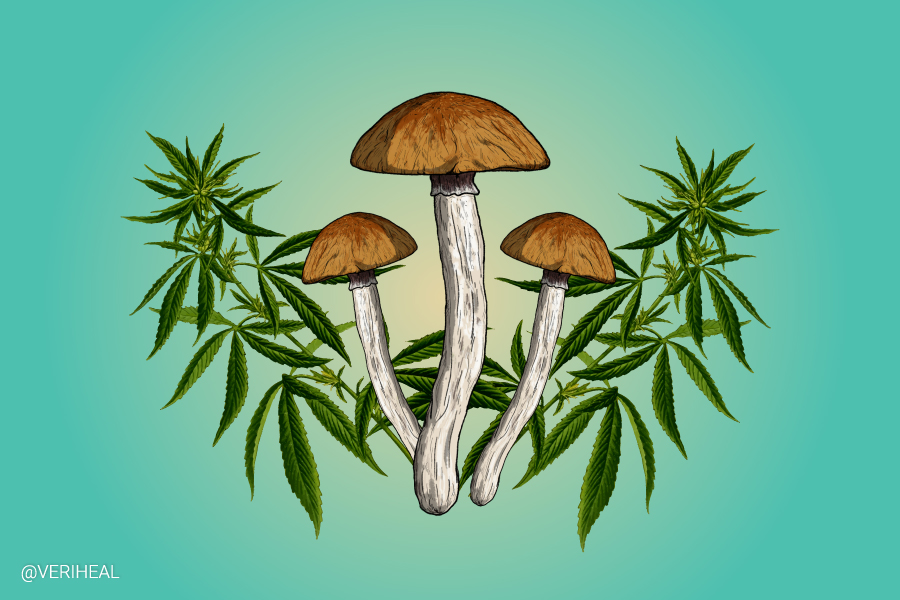
Combining cannabis and psilocybin can enhance therapeutic effects for some conditions, but the interaction requires careful consideration of safety protocols and timing. While both substances show promise for mental health treatment individually, their combined use introduces additional risks and contraindications that users must understand before proceeding. This guide covers the current research, safety considerations, and therapeutic applications of using these two psychoactive substances together.
Understanding Psilocybin: Basics and Therapeutic Potential
Psilocybin is a naturally occurring psychedelic compound found in over 200 species of mushrooms, commonly called magic mushrooms. When consumed, psilocybin converts to psilocin in the body, which activates serotonin 2A receptors in the brain and produces alterations in perception, mood, and consciousness. These effects typically last 4-6 hours and can include visual distortions, enhanced emotional processing, and altered perception of time and space.
Medical authorities have gained significant recognition of the therapeutic potential of psilocybin. The FDA granted psilocybin “breakthrough therapy” designation for treatment-resistant depression in 2018, fast-tracking research into its clinical applications. Current studies focus on psilocybin’s effectiveness for depression, PTSD, anxiety in terminal cancer patients, and substance use disorders.
Unlike many pharmaceutical antidepressants that require daily dosing, psilocybin therapy typically involves 1-3 supervised sessions combined with psychotherapy. Clinical trials show that psilocybin therapy sessions can provide lasting relief from depression symptoms for months after treatment, with some patients experiencing sustained improvement for over a year.
Comparison: Psilocybin vs Other Psychedelic Therapies
|
Substance
|
Duration
|
Primary Use
|
FDA Status
|
Session Frequency
|
|
Psilocybin
|
4-6 hours
|
Depression, PTSD
|
Breakthrough therapy
|
1-3 sessions
|
|
MDMA
|
3-5 hours
|
PTSD
|
Breakthrough therapy
|
2-3 sessions
|
|
Ketamine
|
1-2 hours
|
Depression
|
Approved (Spravato)
|
Weekly/bi-weekly
|
|
LSD
|
8-12 hours
|
Research only
|
No approval
|
Varies
|
The legal status of psilocybin remains complex across the United States. Oregon became the first state to legalize psilocybin therapy in supervised settings, with treatments beginning in 2023. Colorado, Washington D.C., and several cities have decriminalized possession, while clinical research continues under federal exemptions nationwide.
How Cannabis and Psilocybin Interact in the Body
The interaction between cannabis and psilocybin occurs through overlapping effects on serotonin and endocannabinoid systems. While psilocybin primarily activates serotonin 2A receptors, THC binds to CB1 receptors in the endocannabinoid system, and CBD influences serotonin receptors indirectly. This creates a complex pharmacological interaction that can enhance or complicate the effects of either substance alone.
Cannabis appears to modulate psilocybin’s effects differently depending on the cannabinoid profile and timing of consumption. THC may intensify the psychoactive experience while potentially increasing anxiety or paranoia in sensitive individuals. CBD, conversely, may help reduce anxiety and provide a “grounding” effect during challenging portions of a psilocybin experience.
Timeline of Combined Effects:
- Pre-dosing (30-60 minutes before psilocybin): Cannabis may influence set and setting, potentially reducing pre-experience anxiety but also creating unpredictable baseline effects
- Onset phase (0-2 hours): Combined substances may create intensified or conflicting sensations as both reach peak absorption
- Peak phase (2-4 hours): Maximum interaction potential, with THC possibly amplifying psilocybin’s perceptual changes
- Integration phase (4-8 hours): Cannabis may help ease the transition back to baseline or prolong certain effects
The endocannabinoid system’s role in emotional processing means that cannabis use can significantly alter how individuals process psilocybin-induced insights and emotional releases. Some users report that cannabis helps them integrate difficult emotions that arise during psilocybin experiences, while others find it creates confusion or reduces the clarity of insights.
Research suggests that chronic cannabis use may alter serotonin receptor sensitivity, potentially affecting how individuals respond to psilocybin therapy. This interaction may require dosage adjustments or modified protocols for regular cannabis users seeking psilocybin treatment.
Safety Considerations and Contraindications
Combining cannabis and psilocybin introduces safety risks that exceed those of either substance used alone. The interaction can intensify psychoactive effects unpredictably, increase anxiety or paranoia, and complicate medical supervision during therapeutic sessions. Understanding these risks is essential for anyone considering combined use, whether in clinical or personal settings.
Medical Contraindications:
- Psychotic disorders: Both substances can trigger or worsen symptoms of schizophrenia, bipolar disorder, or psychotic episodes
- Heart conditions: Combined use may increase heart rate and blood pressure beyond safe levels
- Respiratory issues: Cannabis smoke combined with psilocybin’s effects on breathing patterns can create complications
- Pregnancy and breastfeeding: Both substances cross the placenta and appear in breast milk
- Under age 25: Developing brains show increased vulnerability to adverse effects from psychoactive substance combinations
Drug Interactions and Safety Factors:
- MAOIs: Dangerous interactions possible with both cannabis and psilocybin
- SSRIs/SNRIs: May reduce psilocybin effectiveness and create unpredictable interactions with THC
- Blood thinners: Cannabis may enhance anticoagulant effects when combined with psilocybin’s cardiovascular impacts
- Seizure medications: THC can lower seizure threshold, particularly concerning during intense psilocybin experiences
Set and setting become critically important when combining substances. The unpredictable nature of the interaction means that even experienced users of both substances separately may encounter unexpected responses. Having a sober, experienced sitter present is essential, and attempting combination use alone significantly increases risk of adverse outcomes.
Emergency situations require immediate recognition. Signs that warrant medical attention include sustained rapid heartbeat above 120 BPM, difficulty breathing, extreme agitation lasting over 30 minutes, or any symptoms suggesting psychotic break from reality. Unlike single-substance experiences, combined cannabis-psilocybin reactions may not follow predictable timelines for resolution.
Dosing Protocols and Timing Considerations
Dosing cannabis and psilocybin together requires significant reduction from normal single-substance amounts due to synergistic effects between psychedelics. The combination can produce unexpectedly intense experiences even at doses that feel manageable individually. Most experienced practitioners recommend starting with 25-50% of normal doses for both substances when combining.
Microdosing vs Full-Dose Protocols:
|
Approach
|
Psilocybin Dose
|
Cannabis Dose
|
Timing
|
Duration
|
Risk Level
|
|
Microdose Combo
|
0.1-0.3g dried
|
1-2.5mg THC
|
Simultaneous
|
4-6 hours
|
Lower
|
|
Threshold Combo
|
0.5-1g dried
|
2.5-5mg THC
|
Cannabis 30min first
|
5-7 hours
|
Moderate
|
|
Full Dose
|
1.5-3g dried
|
5-10mg THC
|
Sequential only
|
6-10 hours
|
Higher
|
Sequential Timing Strategies:
- Cannabis first: Consume cannabis 30-60 minutes before psilocybin to establish baseline effects and reduce pre-experience anxiety
- Psilocybin first: Take psilocybin alone, then use cannabis 2-3 hours later during the integration phase to ease the transition
- Simultaneous: Only recommended for experienced users with both substances, using significantly reduced doses
The Colorado festival study found that individuals who combined substances showed higher rates of adverse psychological reactions compared to single-substance use, particularly when timing was not carefully considered. Sequential use appears safer than simultaneous consumption, allowing users to gauge their response to the first substance before adding the second.
Tolerance considerations differ between substances. Psilocybin tolerance develops rapidly and peaks within 3-4 days, while cannabis tolerance builds more gradually. Regular cannabis users may require higher THC doses to achieve desired effects, but this does not apply to psilocybin sensitivity, creating an unbalanced combination risk.
Current Research and Clinical Findings
Research on combined cannabis-psilocybin use remains limited, with most studies focusing on co-use patterns rather than therapeutic protocols. The largest study to date surveyed 1,342 attendees at a Colorado music festival, finding that 37% of psychedelic users also consumed cannabis during their experience. This study revealed both benefits and risks of combination use in real-world settings.
Key Research Findings:
|
Study Focus
|
Sample Size
|
Primary Finding
|
Safety Concerns
|
|
Colorado Festival Study
|
1,342 participants
|
37% co-use rate
|
Higher anxiety reports
|
|
Therapeutic Co-use Survey
|
486 patients
|
Enhanced emotional processing
|
Increased session length
|
|
Microdosing Study
|
278 participants
|
Improved mood stability
|
Tolerance complications
|
A therapeutic co-use survey found that patients who combined low-dose cannabis with psilocybin therapy reported enhanced emotional processing and reduced anxiety during difficult portions of sessions. However, these same patients required longer integration periods and showed increased variability in treatment outcomes compared to psilocybin-only groups.
Clinical researchers at Johns Hopkins and Imperial College London are investigating controlled combination protocols for treatment-resistant conditions. Preliminary findings suggest CBD may enhance psilocybin’s therapeutic effects while reducing adverse reactions, but THC appears to complicate therapeutic outcomes in clinical settings.
The dependency risk identified in the Colorado study on multiple drug use patterns showed that individuals using both substances together had higher rates of continued use patterns that met criteria for substance use concerns. This finding suggests that combination use may increase the likelihood of developing problematic consumption patterns, particularly with regular cannabis users who add psilocybin to their routine.
Ongoing clinical trials are examining whether specific cannabinoid ratios can optimize psilocybin therapy outcomes. Early results indicate that CBD-dominant formulations may provide benefits without the complications associated with THC, but research remains in preliminary phases.
Legal Status and Access Considerations
The legal landscape for combined cannabis-psilocybin use varies dramatically across jurisdictions, creating complex considerations for patients and researchers. While cannabis enjoys legal status in 38 states for medical use and 21 states for recreational use, psilocybin remains federally illegal with extremely limited legal access.
State-by-State Legal Status:
- Oregon: Psilocybin therapy legal in supervised settings; cannabis fully legal
- Colorado: Psilocybin decriminalized; cannabis fully legal
- Washington D.C.: Both substances decriminalized
- California: Cannabis legal; psilocybin decriminalized in some cities
- Most other states: Cannabis medical/legal; psilocybin illegal
The legal complexity creates significant barriers to supervised therapeutic use outside of clinical trials. Patients in states with cannabis for mental health access may find cannabis legally available while psilocybin remains inaccessible through medical channels.
Access considerations extend beyond legality to practical therapeutic availability. Oregon’s licensed psilocybin service centers do not permit cannabis use during sessions, requiring patients to choose between substances rather than combining them. This regulatory approach reflects safety concerns about supervised combination use even in legal therapeutic settings.
Insurance coverage remains unavailable for psilocybin therapy in any jurisdiction, while medical cannabis may receive coverage in some states. The cost differential means that patients considering combination therapy often face significant out-of-pocket expenses, with psilocybin sessions ranging from $1,500-3,500 per treatment.
Therapeutic Applications and Research Findings
Therapeutic applications of combined cannabis-psilocybin use focus primarily on treatment-resistant mental health conditions where single-substance approaches have proven insufficient. Early research and clinical reports suggest potential benefits for complex PTSD, severe depression with anxiety components, and addiction treatment, but protocols remain experimental and require careful medical supervision.
The most promising therapeutic application appears to be in trauma-informed therapy where psilocybin facilitates emotional processing while cannabis provides grounding and anxiety reduction. Some therapists report that patients with severe trauma histories benefit from low-dose cannabis during psilocybin sessions to maintain emotional regulation during difficult therapeutic work.
Potential Therapeutic Applications:
- Treatment-resistant depression with anxiety components that don’t respond to single substances
- Complex PTSD where traditional psilocybin therapy triggers overwhelming anxiety
- Addiction treatment for patients with concurrent cannabis and other substance dependencies
- End-of-life anxiety represents a significant concern for terminal patients using medical cannabis
Cannabis may help extend the therapeutic window for psilocybin integration work. Some patients report that small amounts of cannabis consumed 4-6 hours after psilocybin help them process insights and emotional material that emerged during the peak experience. This extended integration period may enhance therapeutic outcomes for certain individuals.
The medical marijuana card process becomes relevant for patients considering therapeutic combination use. Obtaining medical marijuana card access provides legal protection and dosing guidance that can inform safer approaches to experimental combination therapy in consultation with healthcare providers.
Research limitations significantly constrain therapeutic recommendations. Most evidence comes from patient self-reports and observational studies rather than controlled clinical trials. The lack of standardized dosing protocols means that therapeutic applications remain highly individualized and experimental, requiring careful monitoring and adjustment based on patient response.
Healthcare providers emphasizing caution reflects the current evidence base. While some patients report significant benefits from combination therapy, the increased complexity and unpredictability of effects require medical supervision and contraindicate unsupervised self-treatment approaches.
Ready to explore medical cannabis options safely and legally? Speak with a qualified physician who can help assess whether cannabis therapy aligns with your health goals by visiting Veriheal’s medical marijuana doctors.
Note: The content on this page is for informational purposes only and is not intended to be professional medical advice. Do not attempt to self-diagnose or prescribe treatment based on the information provided. Always consult a physician before making any decision on the treatment of a medical condition.
Note: Veriheal does not support illegally consuming therapeutic substances such as cannabis but acknowledges that it transpires because of the current illicit status, which we strive to change by advocating for research, legal access, and responsible consumption. Always consult a physician before attempting alternative therapies.
FAQ
Is it safe to combine cannabis and psilocybin?
Combining cannabis and psilocybin introduces significant safety risks beyond either substance alone. The interaction can intensify effects unpredictably and increase anxiety or cardiovascular stress. Medical supervision and reduced dosing are essential for anyone considering combination use.
How do cannabis and psilocybin interact in the brain?
Cannabis affects the endocannabinoid system while psilocybin activates serotonin receptors, creating overlapping effects on mood and perception. THC may intensify psilocybin’s psychoactive effects, while CBD might provide calming influences during the experience.
What dosage is recommended for combining these substances?
Start with 25-50% of normal single-substance doses due to synergistic drug interactions. Microdosing protocols (0.1-0.3g psilocybin with 1-2.5mg THC) present lower risks than full doses and allow users to assess their individual response.
Can I use cannabis and psilocybin for depression treatment?
Some patients report benefits for treatment-resistant depression, but combination therapy remains experimental without established clinical protocols. Always consult healthcare providers before attempting therapeutic combination use, especially if taking other medications to avoid mixing.
Which states allow combined cannabis-psilocybin use?
No state explicitly permits combined therapeutic use. Oregon allows supervised psilocybin therapy but prohibits cannabis during sessions, while several states have decriminalized both substances separately without establishing combination protocols.
How long do combined effects last?
Combined effects typically last 6-10 hours, longer than either substance alone. The interaction can extend both the peak experience and the integration period, requiring more time for complete resolution than single-substance use.
1. De Vos, C. M. H., Mason, N. L., & Kuypers, K. P. C. (1AD, January 1). Psychedelics and neuroplasticity: A systematic review unraveling the biological underpinnings of psychedelics. Frontiers. Retrieved January 2, 2022, from https://www.frontiersin.org/articles/10.3389/fpsyt.2021.724606/full
2. Global Drug Survey. (2017). Retrieved January 2, 2022, from https://www.globaldrugsurvey.com/wp-content/themes/globaldrugsurvey/results/GDS2017_key-findings-report_final.pdf
3. Kargbo, R. B. (2020). Psilocybin therapeutic research: The present and future paradigm. ACS Medicinal Chemistry Letters, 11(4), 399–402. https://pubs.acs.org/doi/full/10.1021/acsmedchemlett.0c00048
4. Nichols D. E. (2016). Psychedelics. Pharmacological reviews, 68(2), 264–355. https://www.ncbi.nlm.nih.gov/pmc/articles/PMC4813425/
Author, Share & Comments