Your medical cannabis journey simplified: find partnered dispensaries, explore pricing options, earn rewards, and get answers to FAQs, all in one spot.
April 28, 2020 10:48 am ETEstimated Read Time: 4 Minutes
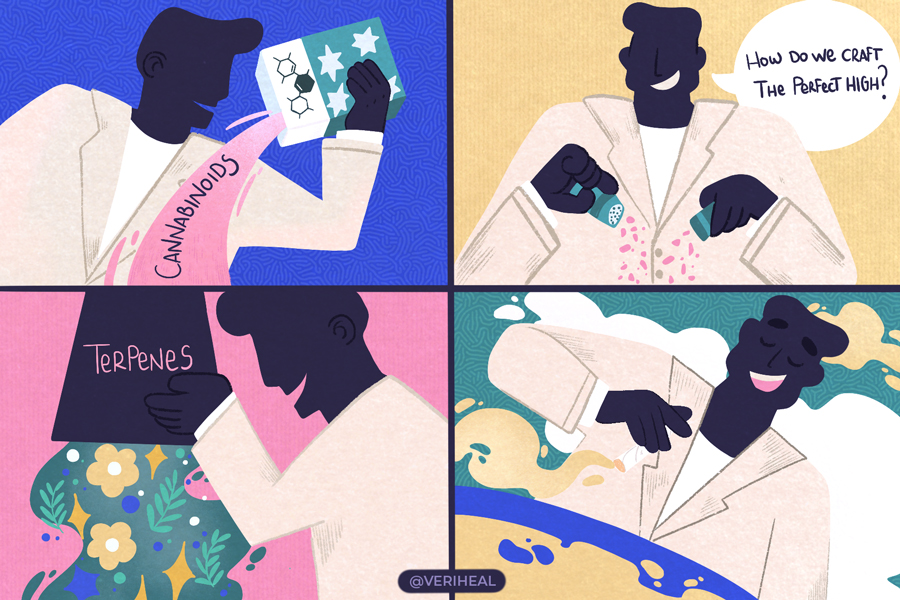
Scientists are changing the perfect high…what does this mean for us? Well, it means that scientists, mostly chemists, at big cannabis companies are trying to create a predictable and reliable product. It turns out that terpenes may be the key to generating predictable and reliable products. All strains of cannabis can contain the same cannabinoids, yet the effects differ. The effects would still differ if the different strains had the same quantity of cannabinoids.
INSA is a premium medical facility that deals with cannabis from the time it grows to the time you ingest it. The company has growing facilities, a lab, a kitchen, and a shop all in the same building. They can be found in Easthampton, and they were named after indica and sativa cannabis varieties. The chief executive of INSA has stated that they are trying to re-educate their consumers—but what does that mean?
Well, indica strains have been said to be sedating or relaxing, while sativa strains were said to be energic or euphoric. This was before we knew anything about terpenes. Scientists have come to show that while there are maturation time and physical differences between indica and sativa, there are no corresponding, consistent differences between the chemical profiles of the two. Companies such as INSA are claiming to have identified certain effects backed up but information on the terpene profile and cannabinoid breakdown.
Consumers Desire Consistency and Predictability
Now that cannabis has almost gotten to the point of being a regular consumer product, customers are seeking out ‘proven consistency’ that they expect from other regular consumer products. The key to providing consumers with reliable, consistent products seem to come down to the terpene profile rather than whether they are indica or sativa.
Let’s look at an example. Ethan Russo is an American neurologist. He was passionate about finding a remedy to conditions and illness through herbal measures, such as cannabis. He then went into aromatherapy and found that when he inhaled tetrahydrocannabinol (THC) alone, he found it very hard to function. He stated that adding a terpene such as pinene would take that whole unpleasant experience and turn it into a clear-minded experience.
Adding a further terpene, such as limonene, will make the clear-minded experience more pleasant, vibrant, and alive. Pinene is the terpene that gives off a “pinewood” scent while limonene has a “citrus” scent. This means that dispensaries can offer a “vibrant, clear-headed effect” if their cannabis contains terpenes corresponding to those effects, limonene, and pinene. As long as the chemical profile of the terpenes and cannabinoid quantities are the same, it should, theoretically, be classified as a proven reliable product.
Limonene can be very helpful in counteracting the poor memory effects of cannabis as well as assisting in keeping your mind clear.
Linalool + Limonene + CBD
Linalool and limonene are both good for reducing anxiety and will boost the healing effects that come with cannabidiol (CBD).
Pinene + CBG
Pinene combined with cannabigerol (CBG) acts as a powerful antiseptic and can be particularly beneficial to patients with conditions such as methicillin-resistant Staphylococcus aureus (MRSA).
Caryophyllene + Myrcene + Pinene + CBD
Caryophyllene, myrcene, and pinene combined with CBD act as powerful agents combatting the cycle of addiction.
Limonene + Pinene + CBD
Limonene and pinene combined with CBD topical cream target the root cause of acne, which then reduces sebum production. Limonene, pinene, and linalool have all proven effective for cleaning, clearing, and leaving you with acne-free skin.
Since we have discovered and proven through research that the indica and sativa categorization for effects is no longer effective or accurate, we should re-educate ourselves on how to ensure consistent products and effects when consuming cannabis. Hopefully, more research becomes available that has been approved and accepted by the local medical facilities in order to take steps toward allowing cannabis to be available in more conventional manners as well as providing a possible manner for regulating the product.
Chane Leigh, aka The Bud Fairy, is a South African cannabis advocate and enthusiast with a firey personality and a thirst for travel. She loves to educate people and to question the norms.
Your article about terpenes was very interesting and informative. This is the kind of research that is helpful as one navigates the scientific benefits of CBD. Thanks!
Oklahoma’s advertised $25 medical marijuana card renewal covers the physician evaluation, but patients must also pay a separate OMMA license fee. This guide explains the full renewal cost, reduced-fee eligibility, required documents, online renewal steps, processing times, and the new physician recommendation requirement.
An Oklahoma medical marijuana card provides legal protection under state law, but it can still affect employment, commercial driving, firearms, privacy, and federally regulated situations. This guide explains the main consequences to consider before applying, including workplace drug testing, CDL rules, insurance, housing, and registry privacy.
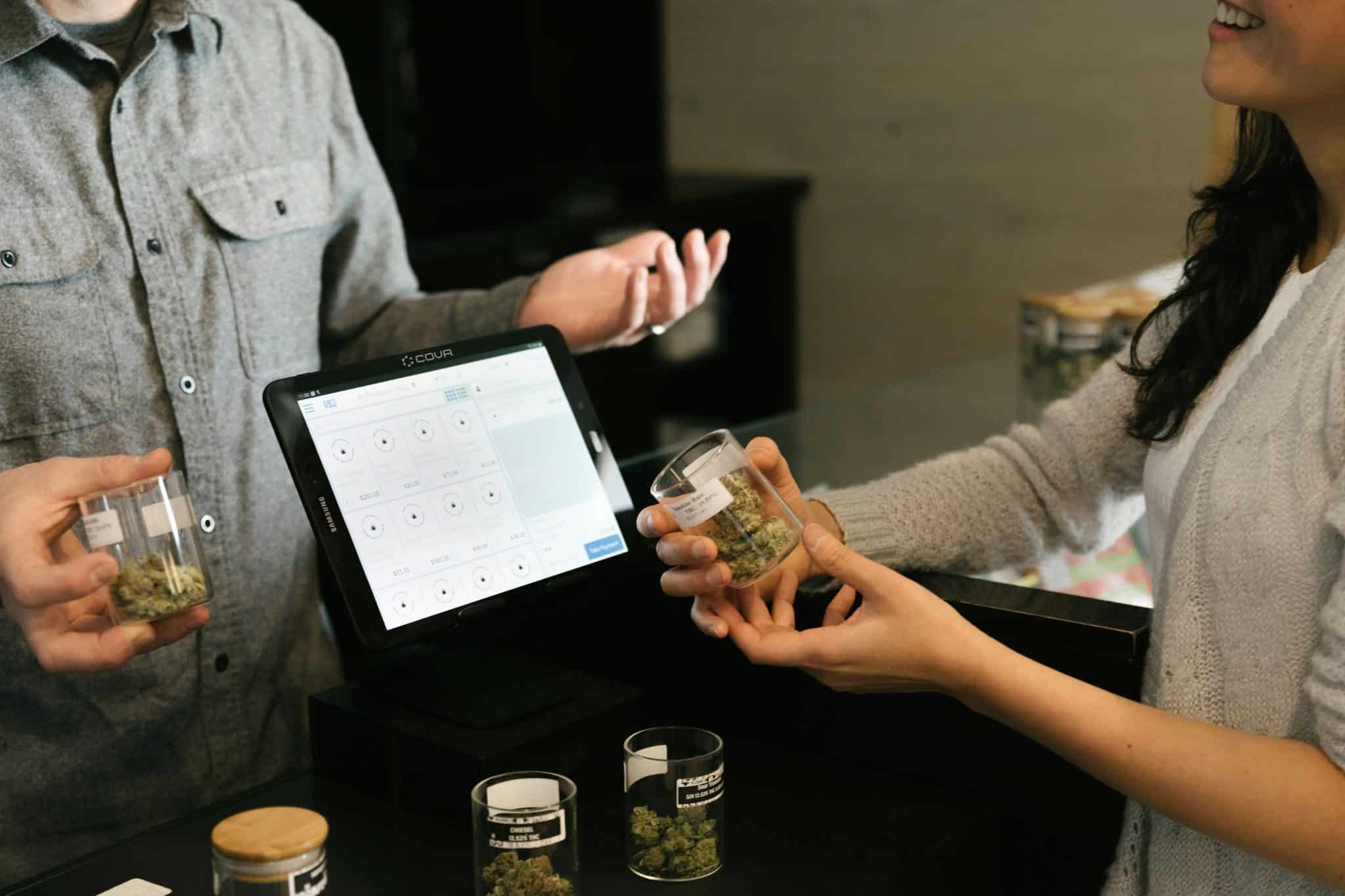
Oklahoma’s medical-only dispensary market gives licensed patients access to a wide range of cannabis products, but every purchase must follow OMMA rules. This guide explains how to find licensed dispensaries, what identification to bring, purchase and possession limits, product testing, pricing, and what to expect during a visit.
Getting a medical marijuana card in Oklahoma can be completed online, with no specific qualifying condition required for adult applicants. This guide covers eligibility, telehealth evaluations, required documents, OMMA application steps, fees, processing times, and what patients can do once approved.
A same-day telehealth appointment in Oklahoma can get you a physician recommendation quickly, but OMMA still needs to process your medical marijuana license application. This guide explains the timeline, required documents, costs, and when you can legally visit a dispensary while waiting for the physical card.
The statements made regarding cannabis products on this website have not been evaluated by the Food and Drug Administration (FDA). Cannabis is not an FDA-approved substance and is still illegal under federal law. The information provided on this website is intended for educational purposes only and is not intended to diagnose, treat, cure, or prevent any disease. It is not intended as medical advice and should not be considered as a substitute for advice from a healthcare professional. We strongly recommend that you consult with a physician or other qualified healthcare provider before using any cannabis products. The use of any information provided on this website is solely at your own risk.